
Blended Families & Teen Mental Health
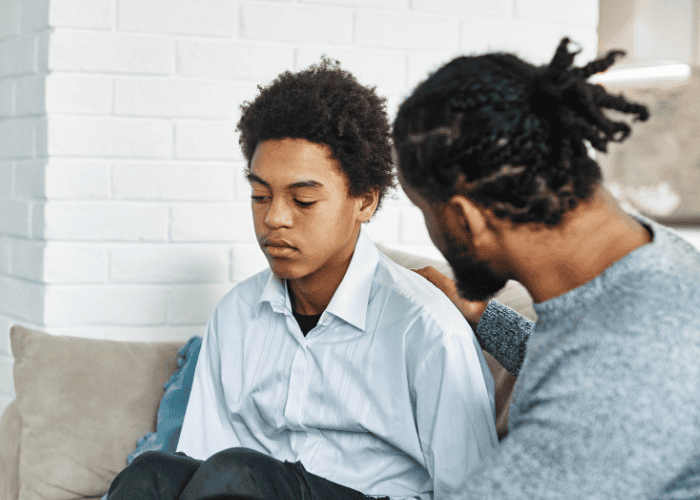
Home Blended Families & Teen Mental Health: Adjusting to Stepparents and Stepsiblings Published: 10/05/2026 Authored by: Hayley Snelling, BS Edited by: Jemma Strain, BS Your new partner and their children moving in can feel like an exciting new beginning. But your teen might not see it that way. They may be thinking about other things, […]
How Parental Divorce Affects Teen Mental Health
Voluntary vs. Involuntary Mental Health Commitment for Minors in Minnesota
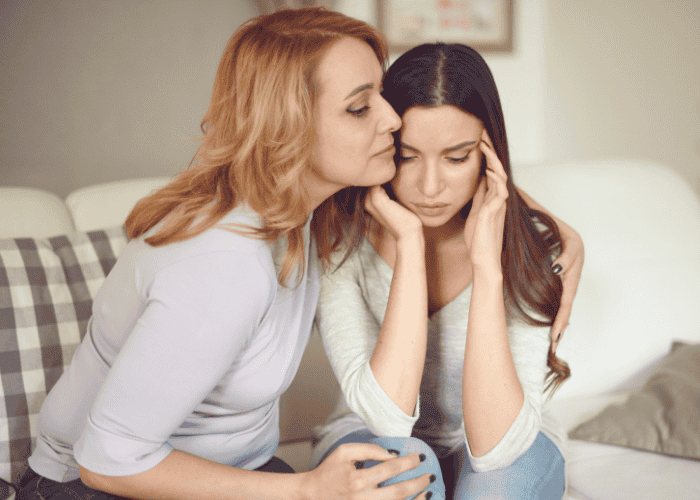
Home Voluntary vs. Involuntary Mental Health Commitment for Minors in Minnesota Published: 09/22/2026 | Updated: 09/25/2026 Authored by: Hayley Snelling, BS Edited by: Jemma Strain, BS When your teen needs more mental health support than outpatient care can provide, working out what happens next can be confusing. Maybe their symptoms have suddenly become worse. Or […]
Emergency Mental Health Treatment for Minors in Minnesota
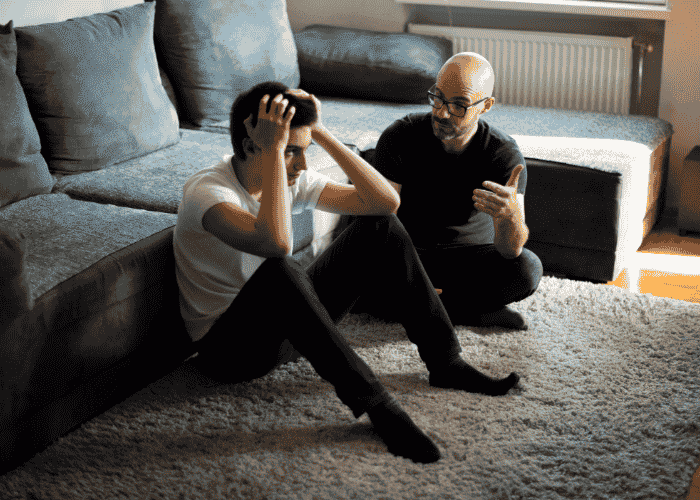
Home Emergency Mental Health Treatment for Minors in Minnesota Published: 09/22/2026 | Updated: 09/25/2026 Authored by: Hayley Snelling, BS Edited by: Jemma Strain, BS Seeing your teen experiencing a mental health crisis can be understandably very frightening. A dozen things might be running through your mind at once: What counts as an emergency? Where can […]
How Puberty Changes Brain Development in Teenagers
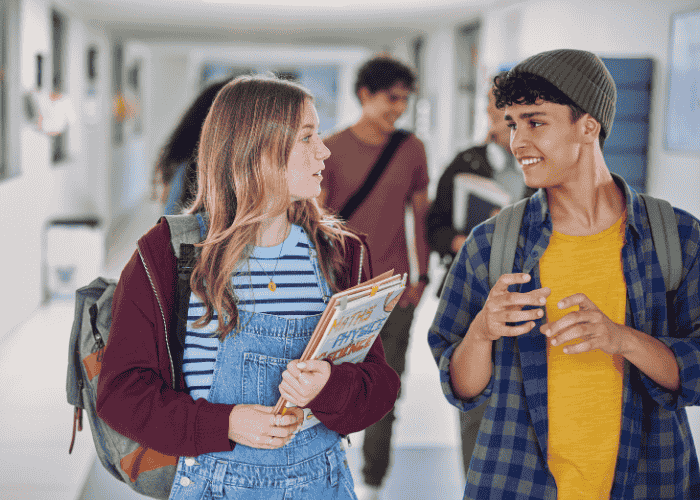
Home How Puberty Changes Brain Development in Teenagers Published: 09/18/2026 Authored by: Hayley Snelling, BS Edited by: Jemma Strain, BS Puberty and brain development are closely connected. As hormones change during puberty, they interact with a brain that’s still maturing throughout the teenage years. These changes often affect how your teen responds to emotions, rewards, […]
The Amygdala and Teen Emotions
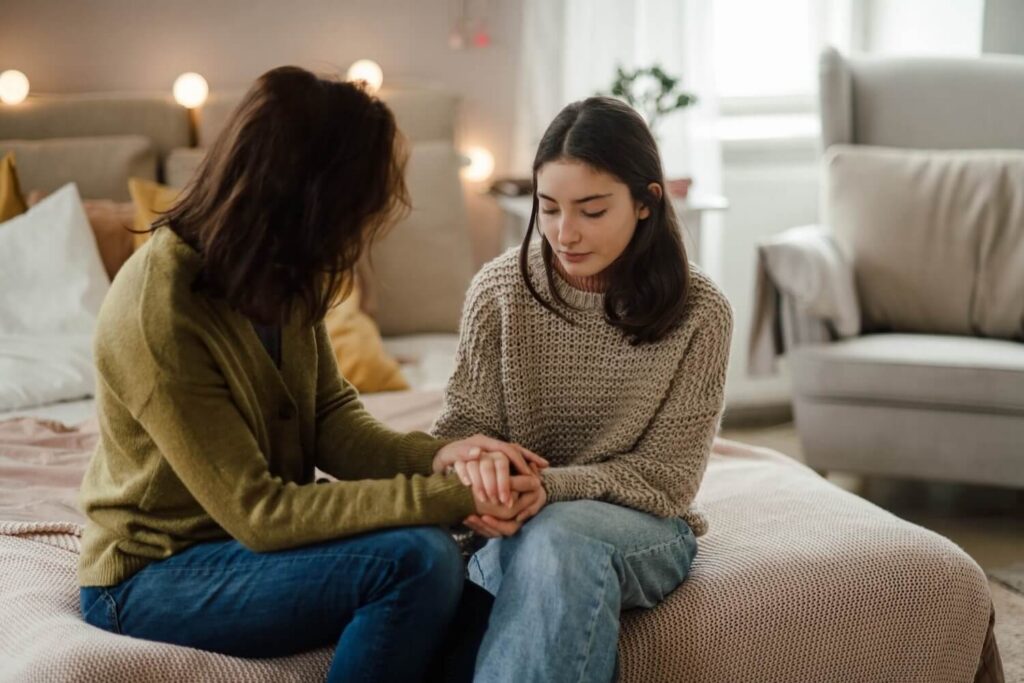
Home The Amygdala and Teen Emotions: Why Feelings Feel Bigger Published: 09/17/2026 Authored by: Hayley Snelling, BS Edited by: Jemma Strain, BS Strong emotions are a normal part of adolescence, and amygdala-driven teen emotions may be driving some of these reactions. Your teen isn’t necessarily being “dramatic” or “overreacting.” It’s more likely that their teen […]