Key Takeaways
- Borderline personality disorder (BPD) in teens goes beyond normal mood swings, involving ongoing emotional, behavioral, and relationship challenges that greatly affect daily life.
- Key symptoms include intense mood shifts, fear of abandonment, unstable identity, black-and-white thinking, and impulsive behaviors that disrupt school, friendships, and family life.
- BPD often goes unrecognized or misdiagnosed since its signs can resemble typical teen behavior or other mental health issues, making early specialist evaluation crucial.
- Serious signs like self-harm, suicidal thoughts, intense anger, or dissociation need immediate professional care to ensure safety and proper treatment.
- Mission Prep Teen Treatment offers evidence-based teen programs, both residential and outpatient, featuring DBT, trauma-informed therapy, family support, and insurance guidance to build emotional control, resilience, and long-term stability.
What BPD Actually Looks Like in Teenagers
Recognizing borderline personality disorder (BPD) in teens means looking beyond normal adolescent changes to identify persistent emotional, behavioral, and relational patterns that cause distress and disrupt daily life. During this stage of identity formation, these symptoms can feel especially overwhelming.
Intense Mood Swings Beyond Typical Teen Behavior
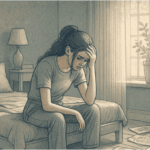
While mood shifts are common in teens, those with BPD experience emotions that are far stronger, faster, and harder to control. They may feel fine one moment and deeply upset the next, often without a clear reason. These episodes can affect school, friendships, and self-esteem, as the teen struggles to manage emotions or calm down.
Extreme Fear of Abandonment
A deep fear of rejection often drives intense reactions. Teens may panic when they can’t reach someone, constantly seek reassurance, or push people away before they can be left. Even small changes like canceled plans can trigger distress or impulsive attempts to prevent perceived abandonment.
Unstable Self-Image and Identity Confusion
Teens with BPD often feel unsure of who they are. Their values, interests, or friend groups may change rapidly, not out of curiosity but confusion. Many describe feeling “empty” or inauthentic, struggling to form a stable sense of self or long-term goals.
Black-and-White Thinking
They may see people or situations as entirely good or bad, with little in between. A friend who disappoints them might instantly become “the worst,” or a single bad grade can make them feel like a complete failure. This all-or-nothing thinking fuels conflict and emotional turmoil.
Dangerous Impulsive Behaviors
Impulsivity in BPD can lead to risky actions such as reckless driving or unsafe relationships. These behaviors often occur during emotional crises and are followed by guilt or regret, but the pattern repeats as a way to escape distress.
Early recognition and professional support can make a major difference. With the right treatment and family understanding, teens with BPD can learn emotional regulation, build stability, and develop a strong sense of self.
Even subtle changes in mood or behavior can signal the need for professional support.
5 Warning Signs of BPD in Teens That Parents Need to Know
Borderline personality disorder (BPD) goes far beyond the emotional ups and downs typical of adolescence. It’s a serious mental health condition defined by intense mood swings, unstable relationships, impulsive behaviors, and difficulties with self-identity and emotional regulation.
According to the Diagnostic and Statistical Manual of Mental Disorders (DSM-5), a BPD diagnosis requires meeting at least five out of nine specific criteria. However, many mental health professionals emphasize that even if a teen shows three or more warning signs, it’s important to seek professional guidance early.

1. Intense and Rapid Mood Swings
Teens with BPD experience emotions more intensely and for longer periods than typical adolescents. Sudden shifts from sadness to anger or anxiety can occur multiple times a day, making it difficult for them to cope and for parents or teachers to predict their reactions.
2. Fear of Abandonment
A strong, often overwhelming fear of rejection or abandonment can drive behaviors like clinging to friends or family, extreme jealousy, or repeated testing of relationships. This fear can cause emotional outbursts and significant anxiety, further complicating social connections.
3. Unstable Self-Image
Teens may struggle with identity confusion, self-doubt, or rapidly shifting self-esteem. They might question their goals, values, or even friendships frequently, causing inconsistencies in:
- Behavior.
- Decision-making.
- Personal expression.
4. Impulsive or Risky Behaviors
Impulsive actions such as reckless spending, unsafe driving, substance use, or self-harm attempts are common warning signs. These behaviors often serve as coping mechanisms for intense emotions, and they can increase the risk of accidents, school problems, or legal issues.
5. Difficulty Maintaining Relationships
Patterns of intense, unstable relationships are common. Teens may idealize someone one moment and feel extreme anger or resentment the next. Persistent conflict and broken connections can heighten feelings of:
- Isolation.
- Loneliness.
- Emotional distress.
Why BPD in Teens Often Goes Unrecognized
Borderline personality disorder (BPD) in teens is often overlooked or misdiagnosed because its symptoms can resemble normal teenage behavior or overlap with other mental health conditions.
Traditionally, many clinicians avoided diagnosing personality disorders before adulthood, assuming teen personalities were still forming. Research now shows that recognizing and treating BPD symptoms early greatly improves long-term outcomes.
Overlap With Normal Adolescent Development
Teens naturally experience mood swings, identity exploration, and sensitivity to relationships, all of which can look similar to BPD. The key difference is intensity and persistence. In BPD, emotions are more extreme, identity confusion is deeper, and these struggles consistently disrupt:
- School.
- Friendships.
- Family life.
Confusion With Other Mental Health Conditions
BPD often shares symptoms with depression, anxiety, ADHD, bipolar disorder, and PTSD, making diagnosis challenging. Teens may receive treatment for one of these conditions without addressing the underlying emotional instability and impulsivity of BPD.
Accurate assessment by a specialist familiar with adolescent personality disorders is essential for proper care and effective treatment.
Physical and Behavioral Red Flags
BPD in teens often appears through visible behaviors and physical warning signs that signal deep distress. Recognizing these red flags early can help prevent serious harm and ensure timely intervention.
Self-Harm and Suicidal Thoughts
Many teens with BPD turn to self-injury, such as cutting or burning, to manage emotional pain or numbness. These acts are not for attention but reflect an urgent need to cope.
Suicidal thoughts or attempts are also common and can arise suddenly after perceived rejection. Any mention of self-harm or suicide should be taken seriously and addressed with immediate professional support.
Intense Anger and Emotional Outbursts
Episodes of rage, yelling, or physical aggression can occur with little warning and often feel uncontrollable to the teen. These moments may be followed by guilt or shame. Such explosive anger can strain relationships and leave the teen feeling misunderstood and isolated.
Unstable Relationships
Relationships may shift rapidly from closeness to conflict. Teens with BPD might idealize someone one day and feel betrayed or abandoned the next. This cycle of attachment and rejection creates ongoing social instability and reinforces feelings of loneliness.
Emptiness and Dissociation
Persistent feelings of emptiness or disconnection from reality are common. Teens may describe feeling “numb” or like they’re watching life happen from the outside. These experiences can be frightening and often lead to impulsive or self-destructive behavior as a way to feel in control again.
When and How to Get Professional Help
If your teen shows persistent BPD symptoms that disrupt daily life, seeking professional help early is crucial. Early intervention improves outcomes and can prevent issues from worsening.
Don’t wait for a crisis. Addressing concerns promptly is the most effective way to support your teen’s well-being.
Finding the Right Mental Health Provider
Look for clinicians experienced with adolescent BPD and evidence-based treatments like dialectical behavior therapy (DBT). Ask about their experience with teens specifically, and consider recommendations from pediatricians, school counselors, or local mental health programs. Specialized adolescent programs provide care specific to:
- Emotional regulation.
- Identity struggles.
- Relationship difficulties.
What to Expect During Assessment
Assessments usually involve multiple sessions, interviews with the teen and family, psychological questionnaires, and a review of medical, developmental, and educational history.
Clinicians may consult teachers or other professionals to understand the teen’s challenges fully. They will screen for co-occurring conditions like depression, anxiety, PTSD, or substance use to create an accurate, comprehensive treatment plan.
Effective Treatment Options
Evidence-based therapies for adolescent BPD include:
- DBT: Builds skills for emotional regulation, distress tolerance, mindfulness, and interpersonal effectiveness.
- Cognitive Behavioral Therapy (CBT), Schema Therapy, STEPPS: Address patterns of thinking and behavior.
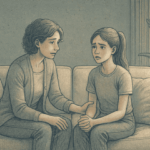
Treatment often combines individual, family, and sometimes group therapy. Medications may be used to manage co-occurring symptoms like anxiety or depression, but therapy remains the core of effective intervention. Involving family and focusing on strengths ensures the teen receives well-rounded, supportive care.

Are You or a Loved One Struggling with Personality Disorder?
Mission Prep is here to help you or your loved one take the next steps towards an improved mental well-being.
Find Support for Teen BPD at Mission Prep Teen Treatment
If your teen is struggling with BPD or other mental health issues, support is available. At Mission Prep Teen Treatment, we use evidence-based therapeutic approaches and innovative interventions to foster sustainable change for adolescents and their families.
Whether your teen could benefit from residential treatment at one of our locations or something more flexible, like an outpatient mental health program delivered virtually, our team can help.
Mission Prep Teen Treatment accepts insurance and is in-network with most major providers. We are happy to help you check your insurance coverage for mental health care.
Learn about our admissions process online or call 866-901-4047 to speak with a caring member of our team who can answer any questions you might have. Reach out for a free, no-obligation conversation.

BPD In Teens FAQ
Can a teenager be officially diagnosed with BPD?
Yes. Teens can receive a BPD diagnosis if symptoms persist for at least a year and significantly impair daily functioning. While some clinicians prefer terms like “borderline personality features” or “emerging BPD,” early identification and treatment are the priority, regardless of the formal label.
Is BPD caused by bad parenting?
No. BPD develops from a combination of genetic, neurobiological, and environmental factors. While childhood experiences may influence its onset, many teens with BPD grow up in loving, supportive homes. Family involvement, not blame, is key to recovery.
What’s the difference between bipolar disorder and BPD in teens?
Bipolar disorder involves mood episodes lasting weeks or months with changes in energy and behavior. BPD mood shifts are more rapid, often triggered by relationships, and involve intense anger, anxiety, or sadness rather than manic energy.
Are medications helpful for treating BPD in adolescents?
No medication treats BPD directly. Some may help manage co-occurring symptoms like anxiety, depression, or mood instability. Medications should be combined with therapy, and ongoing monitoring is essential due to impulsivity and self-harm risks.
Will my teen outgrow BPD symptoms?
Symptoms often improve with age and treatment, especially in the twenties. Impulsivity tends to improve first, followed by emotional regulation and interpersonal skills. Effective therapy is critical, symptom reduction isn’t automatic.
Programs at Mission Prep provide evidence-based therapies, such as DBT and family support, specifically designed to help teens develop these skills and achieve lasting improvement.