Medication for Teen Depression:
What Parents and Teens Should Know
If you’re considering medication for depression in yourself or your teenage child, it’s normal to feel overwhelmed by all the conflicting advice and opinions that are out there.
A friend may tell you that depression medications, also known as antidepressants, saved their life, while another may say you should only opt for natural and holistic treatment approaches. Then, if you research treatment methods online, you’re bound to find even more opinions! Online forums burst at the seams with personal stories of miracle cures or cautionary tales of dependency and side effects.
The truth is: depression is so much more complex than that. Depression can make you feel sad all the time and lose interest in daily activities. Over time, it can affect your well-being and your relationships with others. But there is hope – it’s treatable through therapy, medication, or a combination of both.
By catching it early, many people go on to live long, happy, and healthy lives. If taking antidepressants is an option that you’re thinking about for yourself or your teen, it can be helpful to know more about what they are, how they work, and what you can expect once you start taking them. In this article, we will cover:
- What antidepressant medications are
- The different types of antidepressants for teenagers
- The potential benefits of taking antidepressants in teens
- The possible risks and side effects
- Alternatives to medication for adolescent depression
- Get advice on depression medication today
What Are Antidepressant Medications?
Antidepressants are medications used for treating depression.¹ While they don’t provide a cure, they’re helpful for relieving the symptoms and, in some cases, preventing them from coming back. They help you stop feeling low and tired all the time. They can also be prescribed to relieve other conditions, like anxiety, restlessness, and sleeplessness.
Over time, antidepressants can help stabilize your moods, so you can get back to following a normal routine. However, they’re not the best approach for everyone. For some, the side effects impact their life too much, and for others with treatment-resistant depression, they do nothing to reduce their symptoms at all.
Key Takeaways
- Antidepressants can ease teen depression symptoms and help reduce relapse risk, but they aren’t a cure and aren’t right for everyone.
- SSRIs are often a first-line option because they’re usually better tolerated; some have specific teen approvals (e.g., escitalopram for MDD ages 12+, fluoxetine for depression ages 8+).
- Many antidepressant classes aren’t approved for teen depression, so medication choices should be made and monitored by a qualified clinician.
- What’s the “best” depression medication? It depends on symptoms, age, health history, interactions, side effects, and personal preferences.
Table of Contents
What Is the Best Medication for Depression?
When we talk about the “best” medication for depression, it can vary from individual to individual. There’s no one-size-fits-all. What works well for one person may not work as well for someone else. There are also different types of depression, and one type may respond better to a specific antidepressant than others.2
Research suggests that only 40% of people benefit from their first antidepressant.1 If this happens to you, you may need to try another antidepressant or a combination of two medications to see results.3
Your healthcare provider will also consider factors such as symptoms, lifestyle habits, interactions with other medications, benefits, side effects, and your preference before deciding which medication to prescribe.4
Types of Depression Medications and What They Do
Depression medications are divided into groups or classes, the most common of which is a class called selective serotonin reuptake inhibitors, also known as SSRIs.
Selective Serotonin Reuptake Inhibitors (SSRIs) Prescribed in Teens
SSRI medications are prescribed as the first-line treatment for depression for most people because they’re effective and generally better tolerated than other antidepressants.5 They help to increase the brain’s levels of serotonin.
Serotonin is a neurotransmitter or chemical messenger that helps to regulate our mood, behavior, and memory and balance various functions in the gastrointestinal tract.6 Depression has been linked to abnormalities in the way serotonin functions, but how this works exactly is still being studied.7
Among SSRIs, escitalopram is approved for major depressive disorder in children 12 and older, while fluoxetine can be used for depression starting at age 8 and for obsessive-compulsive disorder (OCD) from age 7. Fluvoxamine is approved for OCD (but not depression) in children 8 and older, and sertraline is the only SSRI approved for OCD in children as young as 6.8
Aside from SSRIs, there are several other classes of antidepressants.
Serotonin-Noradrenaline Reuptake Inhibitors (SNRIs)
SNRIs help to increase the levels of both serotonin and norepinephrine in the brain. Norepinephrine is a chemical messenger and hormone that plays an important role in helping you feel alert and attentive.9 Low levels of norepinephrine have also been linked to depression.
The most common form of SNRIs prescribed is Duloxetine (Cymbalta). However, this is not approved for treating teen depression, and neither are:
- Venlafaxine (Effexor XR)
- Desvenlafaxine (Pristiq)
- Levomilnacipran (Fetzima)
Atypical Antidepressants
Atypical antidepressants also act on neurotransmitters but don’t come under any of the categories listed above.10 They can also work very differently from each other. They change the levels of one or more neurotransmitters, like serotonin, norepinephrine, and dopamine. Dopamine plays an important role in many important functions, such as learning, motivation, motor function, mood, and movement.11
While you may come across Bupropion (Wellbutrin), Trazodone (Desyrel), Mirtazapine (Remeron), and Nefazodone (Serzon) medications for adult depression, no atypical antidepressants are approved as safe for teens.
Tricyclic and Tetracyclic Antidepressants
Tricyclic and tetracyclic antidepressants are an older class of depression medications. They’ve been around the longest.12 Although they’re effective, they’re known to cause more severe side effects. As such, they’re no longer used as first-line treatments for adults.13 What’s more, Clomipramine is the only tricyclic antidepressant approved for children 10 and older, and this is specifically for OCD, rather than depression.
Monoamine Oxidase Inhibitors (MAOIs)
MAOIs help block an enzyme called monoamine oxidase from breaking down neurotransmitters like serotonin, norepinephrine, and dopamine in the brain.14
While MAOIs remain effective for treating depression and treatment-resistant depression in adults, they’re not typically used as first or even second-line treatments, and they’re not approved for use in teens.15 The main reason for this is that they can cause harmful side effects, and they can also interact with specific foods and drugs.
Common MAOIs you may come across are:
- Selegiline (Emsam skin patch)
- Isocarboxazid (Marplan)
- Phenelzine (Nardil)
- Tranylcypromine (Parnate)
Potential Benefits of Antidepressants
Depending on the type of depression and the medication, expect some of the following benefits16:
- Improvements in your mood and a reduced sense of hopelessness
- Increased energy and better concentration
- Reduction in anxiety and intrusive thoughts
- Positive changes in appetite
- Better sleep outcomes
Possible Risks of Antidepressants
Antidepressants can pose different side effects depending on the medication, especially for teens and children. Around 1 in 10 teens who take antidepressants report side effects, but these are usually mild and tend to fade away within a few weeks of starting the medication.17 It’s rare to have serious side effects on antidepressants.18
If the side effects continue or you’re finding it hard to cope, speak to an adult you trust or a healthcare provider so they can manage your medication as needed.
The more common side effects seen with antidepressants are19:
- Nausea
- Sexual dysfunction
- Drowsiness
- Dizziness
- Insomnia
- Anxiety
- Headaches
- Weight gain
- Dry mouth
- Blurred vision
- Rash
- Tremors
- Athenia, which is a feeling of general physical weakness
- Malaise, a general feeling of discomfort or not feeling well
Best Natural Alternatives to Antidepressants
If you’d like to try to avoid the potential side effects of antidepressants, that’s understandable. Fortunately, there are multiple natural alternatives to antidepressants. These are evidence-based approaches worth considering:
1. Exercise
Exercise can boost your mood and help with depression, whether you’re taking antidepressants or not. The good news? It doesn’t have to involve hardcore workouts. Moderate exercise is enough to make a difference when it comes to reducing depression symptoms.20
Experts recommend aerobic or mind-body exercises of moderate intensity at least three to five times a week. A good rule of thumb to know if you’re exercising at moderate intensity is that you should be able to talk comfortably but not sing.21
Examples of moderate-intensity exercise include brisk walking, bike riding, hiking, water aerobics, or even mowing the lawn! Find something you enjoy, and it’ll be easier to stick with!
2. Diet
What you eat can affect how you feel. A high-quality diet that’s rich in whole foods (instead of processed versions), vitamins, minerals, and other important nutrients can improve milder forms of depression.22
Your brain needs adequate nutrition to perform many important functions, including regulating moods, emotions, alertness, and attentiveness. If you’re a teen and dietary intervention is an option you would like to, or you’re a parent who thinks this could help, seek professional help. Nutritional experts will evaluate a teen’s current state of health, goals, and personal preferences to build a dietary plan that works for them.
3. Therapy
Psychotherapy or talk therapy is widely used for depression treatment. Having a strong trusting relationship with a mental health professional has shown beneficial outcomes, whether you’re taking medication or otherwise.
Psychotherapy can help you learn more about the state of your mental health, identify triggers, learn healthy coping strategies, and stay on track. You’ll also learn important skills that can help you take back control of how you manage your life, like problem-solving skills and conflict-management skills.
Different types of psychotherapeutic approaches exist. Your healthcare professional will opt for an approach after talking to you and understanding what will work best for you. Some of the common therapeutic approaches to depression include23:
Cognitive and Behavioral Therapy (CBT)
CBT is often recommended as a first-line treatment for depression because of its effectiveness. CBT is focused on helping teens become self-aware of negative thought patterns that may be contributing to their low moods.
The next step is to help a teen change these thought patterns and develop healthier and positive ways of approaching situations. It can help prevent the kind of negative thinking that can spiral into depressive episodes.
Interpersonal Psychotherapy (IPT)
IPT is also considered an effective first-line treatment and is seen to be especially effective for adolescents. Depression can cause difficulties in social interactions, and the reverse can also take place. IPT helps you identify the triggers, understand how they affect your mood, and then learn ways to improve social skills and build a strong network of support.
Supportive Therapy (ST)
While not as structured as the previous two types of psychotherapy, supportive therapy can help people feel heard, validated, supported, and encouraged. ST helps to improve coping skills and build self-esteem in the process.
At Mission Prep, we take a holistic approach to depression treatment. Instead of simply addressing symptoms, we aim to bring about lasting improvements to your emotional and mental well-being.
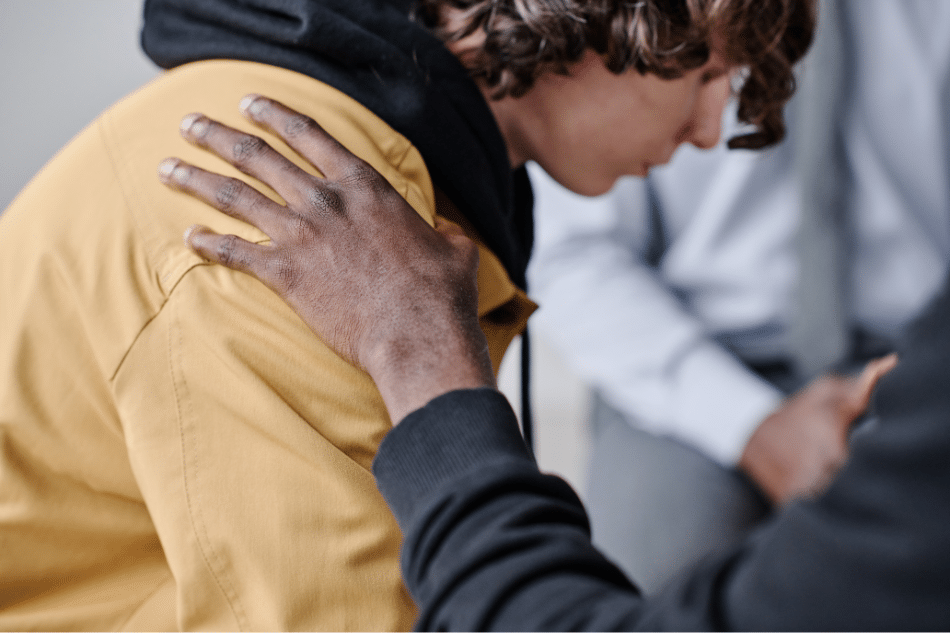
Seek Guidance on Medication for Depression Today
One in seven 10-19-year-olds struggle with a mental health disorder globally, and depression is one of the leading causes of illness and disability among teens.24
If you’re experiencing depression and are considering options, you’re not alone. Seeking help, whether it’s through depression medication, therapy, lifestyle changes, or a combination of different approaches, is a sign of strength, not weakness. It’s a step toward creating a better quality of life for you now and into your future.
At Mission Prep, we provide personalized depression treatment services tailored to your unique challenges. We used evidence-based therapy approaches so you can take control of your well-being and make long-lasting changes in your mental and emotional health.
Our team of licensed and experienced mental health professionals will be there every step of the way through regular check-ins and ongoing support. We offer a range of mental health programs that cater to teens with varying levels of depression symptoms, including:
- Residential mental health treatment for severe symptoms and emergencies
- Outpatient mental health programs, so you can still get access to high-level support while staying at home
- Intensive outpatient programs to provide a little more care, bridging the gap between inpatient and outpatient support.
Compassionate and committed mental health care is now only a phone call away. Book a personalized consultation with our care team today at (866) 310-9877 or fill out a contact form.
References
InformedHealth.org. (2006). Depression: Learn More – How effective are antidepressants? Institute for Quality and Efficiency in Health Care (IQWiG)
https://www.ncbi.nlm.nih.gov/books/NBK361016/Edinoff, A. N., Akuly, H. A., Hanna, T. A., Ochoa, C. O., Patti, S. J., Ghaffar, Y. A., Kaye, A. D., Viswanath, O., Urits, I., Boyer, A. G., Cornett, E. M., & Kaye, A. M. (2021). Selective serotonin reuptake inhibitors and Adverse Effects: A Narrative review. Neurology International, 13(3), 387–401. https://doi.org/10.3390/neurolint13030038
Alemi, F., Min, H., Yousefi, M., Becker, L. K., Hane, C. A., Nori, V. S., & Wojtusiak, J. (2021). Effectiveness of common antidepressants: a post market release study. EClinicalMedicine, 41, 101171. https://doi.org/10.1016/j.eclinm.2021.101171
Boyce, P., & Ma, C. (2021). Choosing an antidepressant. Australian Prescriber, 44(1), 12–15. https://doi.org/10.18773/austprescr.2020.064
Edinoff, A. N., Akuly, H. A., Hanna, T. A., Ochoa, C. O., Patti, S. J., Ghaffar, Y. A., Kaye, A. D., Viswanath, O., Urits, I., Boyer, A. G., Cornett, E. M., & Kaye, A. M. (2021). Selective serotonin reuptake inhibitors and Adverse Effects: A Narrative review. Neurology International, 13(3), 387–401. https://doi.org/10.3390/neurolint13030038
Bamalan, O. A., Moore, M. J., & Al Khalili, Y. (2023). Physiology, Serotonin. In StatPearls. StatPearls Publishing. https://www.ncbi.nlm.nih.gov/books/NBK545168/
Jauhar, S., Cowen, P. J., & Browning, M. (2023). Fifty years on: Serotonin and depression. Journal of Psychopharmacology, 37(3), 237–241. https://doi.org/10.1177/02698811231161813
Sansone, R. A., & Sansone, L. A. (2014). Serotonin norepinephrine reuptake inhibitors: a pharmacological comparison. Innovations in clinical neuroscience, 11(3-4), 37–42. https://pmc.ncbi.nlm.nih.gov/articles/PMC4008300/
Hussain, L. S., Reddy, V., & Maani, C. V. (2023). Physiology, Noradrenergic Synapse. In StatPearls. StatPearls Publishing. https://pubmed.ncbi.nlm.nih.gov/31082021/
Mayo Clinic. (n.d.). Antidepressants that don’t fit into other classes. https://www.mayoclinic.org/diseases-conditions/depression/in-depth/atypical-antidepressants/art-20048208
Costa, K. M., & Schoenbaum, G. (2022). Dopamine. Current Biology, 32(15), R817–R824. https://doi.org/10.1016/j.cub.2022.06.060
Depression: Learn More – How effective are antidepressants?[Updated 2024 Apr 15] Institute for Quality and Efficiency in Health Care (IQWiG)
https://www.ncbi.nlm.nih.gov/books/NBK361016/Moraczewski, J., Awosika, A. O., & Aedma, K. K. (2023). Tricyclic Antidepressants. In StatPearls. StatPearls Publishing.
Sabri, M. A., & Saber-Ayad, M. M. (2023). MAO Inhibitors. In StatPearls. StatPearls Publishing.
Laban, T. S., & Saadabadi, A. (2023). Monoamine oxidase inhibitors (MAOI). In StatPearls [Internet]. StatPearls Publishing.Mayo Staff Clinic. (n.d.). What to know about antidepressants for kids and teens. https://www.mayoclinic.org/diseases-conditions/teen-depression/in-depth/antidepressants/art-20047502#:~:text=For%20many%20children%20and%20teens,life%20or%20do%20everyday%20activities
Depression: Learn More – How effective are antidepressants?[Updated 2024 Apr 15] Institute for Quality and Efficiency in Health Care (IQWiG)
https://www.ncbi.nlm.nih.gov/books/NBK361016/American Academy of Pediatrics. (n.d.) Antidepressants side effects. https://www.aap.org/en/patient-care/mental-health-minute/antidepressants-side-effects/
Sheffler, Z. M., Patel, P., & Abdijadid, S. (2023). Antidepressants. In StatPearls. StatPearls Publishing. https://www.ncbi.nlm.nih.gov/books/NBK538182/
Xie, Y., Wu, Z., Sun, L., Zhou, L., Wang, G., Xiao, L., & Wang, H. (2021). The effects and mechanisms of exercise on the treatment of depression. Frontiers in Psychiatry, 12. https://doi.org/10.3389/fpsyt.2021.705559
NHS. (2024, November 25). Physical activity guidelines for adults aged 19 to 64. https://www.nhs.uk/live-well/exercise/physical-activity-guidelines-for-adults-aged-19-to-64/
DeAngelis, T. (n.d.). That salad isn’t just good for your nutrition—it may help stave off depression. https://www.apa.org. https://www.apa.org/monitor/2023/06/nutrition-for-mental-health-depression
Health Quality Ontario. Psychotherapy for Major Depressive Disorder and Generalized Anxiety Disorder: A Health Technology Assessment. Ont Health Technol Assess Ser. 2017 Nov 13;17(15):1-167. PMID: 29213344; PMCID: PMC5709536.
https://pmc.ncbi.nlm.nih.gov/articles/PMC5709536/World Health Organization. (2024, October 10). https://www.who.int/news-room/fact-sheets/detail/adolescent-mental-health
FAQs About Medication for Teen Depression
Antidepressants can reduce depression symptoms and help stabilize mood over time. For many teens, medication is most effective when it’s part of a larger plan that may also include therapy and healthy routine changes, with regular check-ins to track progress.
SSRIs are often used because they’re widely studied and generally better tolerated than some other antidepressant classes. A clinician will still individualize the recommendation based on the teen’s symptoms, age, and overall health, and will monitor for side effects and response.
Side effects vary by medication, but can include nausea, drowsiness, dizziness, insomnia, headaches, anxiety, weight changes, dry mouth, blurred vision, rash, tremors, or feeling generally unwell. If side effects feel intense, don’t go away, or interfere with daily life, we encourage you to talk with a healthcare provider right away so adjustments can be made safely.
Yes. Many teens benefit from evidence-based therapy (like CBT or IPT), and supportive lifestyle changes can also help—such as regular moderate exercise and nutrition support. We’ll help you figure out what combination makes the most sense for your teen’s needs and goals.
We offer multiple levels of depression treatment for teens, including residential care for more severe symptoms or safety concerns, as well as outpatient and intensive outpatient programs.

- How Parents Can Help Teens With Depression
- Family Support for Teen Depression
- Understanding Teen Depression
- Does Teen Depression Go Away?
- How Daily Stressors Impact Teen Depression
- Healthy Ways to Cope With Teen Depression
- How to Talk to Parents About Depression
- Sadness vs. Depression: When to Seek Help
- Coping Strategies for Seasonal Affective Disorder