

Key Takeaways
- Academic pressure tops the list of teen stressors, with the weight of grades, testing, and college preparation creating chronic anxiety that extends far beyond the classroom into their sense of self-worth.
- Social relationships dominate teen emotional life, making peer dynamics, friendship conflicts, and the desperate need for belonging powerful sources of stress that can affect everything from sleep to school performance.
- Family dynamics shape the foundation of teen stress levels, with home either serving as a safe refuge from outside pressures or becoming another source of tension they can’t escape.
- Identity formation during adolescence creates unique stress as teens grapple with questions about who they are and who they should become while facing pressure to make life-altering decisions about their future.
- Mission Prep Healthcare provides comprehensive therapeutic support for teens struggling with stress from multiple sources, using family-centered approaches that address root causes and build resilient coping skills without medication as the primary solution.
Understanding Teen Stress: More Than Just Growing Pains
When your teen snaps at you for no apparent reason or shuts down completely, stress is often the hidden culprit. Their brains are genuinely wired to experience stress more intensely during these developmental years.
Identifying what’s actually causing your teen’s stress matters because you can’t support them effectively if you’re aiming at the wrong target. What looks like laziness might actually be overwhelming. What seems like an attitude might be anxiety wearing a mask.
Teen stress differs from adult stress in crucial ways. Adults typically juggle known responsibilities with established coping mechanisms. Teens face constantly shifting challenges while simultaneously developing the very skills they need to manage them.
Cause 1: Academic Pressure and Performance Expectations
The Weight of Grades and College Preparation
Academic stress has reached levels that previous generations didn’t experience. Many teens internalize the message that their worth as a person is measured by their GPA and test scores.
College preparation anxiety begins in middle school for some families, with every grade feeling like it could make or break future opportunities. Your teen might believe that anything less than perfection closes doors forever, creating relentless pressure that allows no room for mistakes.
The competitive atmosphere in many schools amplifies this stress. When classmates are also stressed and competing, it creates an environment where everyone is pushing harder, sleeping less, and feeling more anxious.
Testing Anxiety and Competition
Standardized tests, final exams, AP courses, and other high-stakes assessments loom large in teen consciousness. The pressure to perform in a single sitting can trigger intense anxiety, even in teens who genuinely know the material.
Academic competition breeds comparison that erodes confidence. When your teen constantly measures themselves against peers who seem to excel effortlessly, they start questioning their own abilities.
How Parents Can Help Without Adding Pressure
Focus conversations on learning and growth rather than grades and rankings. Help your teen see that mistakes and struggles are normal parts of learning, not failures that define them.
Keep your own anxiety about their future in check. When you catastrophize about college admissions, your teen absorbs that pressure. Trust that there are multiple paths to success and that their worth isn’t determined by where they attend college.
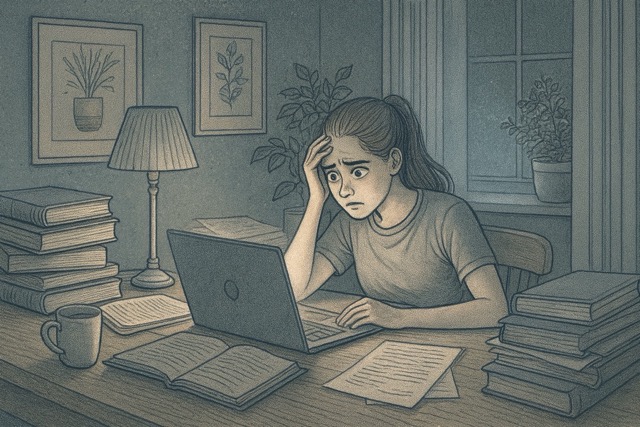
Academic pressure creates chronic stress for teens who internalize the belief that their grades and test scores determine their entire future worth and opportunities.
Cause 2: Social Relationships and Peer Dynamics
The Quest for Belonging and Acceptance
Social relationships during adolescence carry emotional weight that adults sometimes forget or minimize. For teens, peer relationships aren’t just about having fun, they’re about figuring out where they fit in the world and who they are as people.
Being excluded, rejected, or left out creates genuine pain. When your teen loses a friend or doesn’t get invited to something, they’re experiencing real hurt that affects their sense of safety and self-worth.
Friendship Drama and Social Hierarchies
The intensity of teen friendships creates equally intense conflicts. Minor misunderstandings escalate quickly, miscommunications spread through group texts, and taking sides becomes unavoidable.
Social hierarchies in schools create additional stress. Teens are acutely aware of where they stand socially. The pressure to maintain or improve their social position can drive choices that don’t align with their values but feel necessary for survival.
Romantic Relationships and Heartbreak
First relationships and heartbreaks hit with disproportionate intensity because teens lack experience and perspective. What adults know will pass with time feels permanent to teens experiencing it for the first time.
Supporting Healthy Social Development
Validate your teen’s social stress without dismissing it as drama. Listen without immediately trying to fix problems or minimize feelings.
Help them develop perspective by sharing your own social struggles from the past. Encourage friendships based on genuine connection rather than social status.
Cause 3: Family Dynamics and Home Life
Navigating Changing Family Relationships
Even in healthy, loving families, the parent-teen relationship naturally shifts during adolescence. Your teen is pulling away as part of normal development, which can create tension and stress for everyone involved.
Sibling relationships change too. Birth order dynamics shift, rivalries intensify, or comparison between siblings creates pressure.
When Home Stress Feels Inescapable
More serious family stressors take a heavier toll. Parental conflict, divorce, financial stress, illness, or loss affect teens deeply even when parents try to shield them from it. Unlike other stressors they can walk away from, family stress follows them home to the one place that should feel safe.
When parents are stressed, teens absorb that anxiety even without direct communication. They’re remarkably attuned to parental emotions and household tension.
Creating Stability Amid Change
Even during difficult times, parents can create pockets of stability that help teens feel more secure. Maintain routines where possible, keep communication open without overwhelming them with adult problems, and ensure they know your love is constant.
Be honest about family challenges in age-appropriate ways rather than pretending everything is fine when it clearly isn’t.
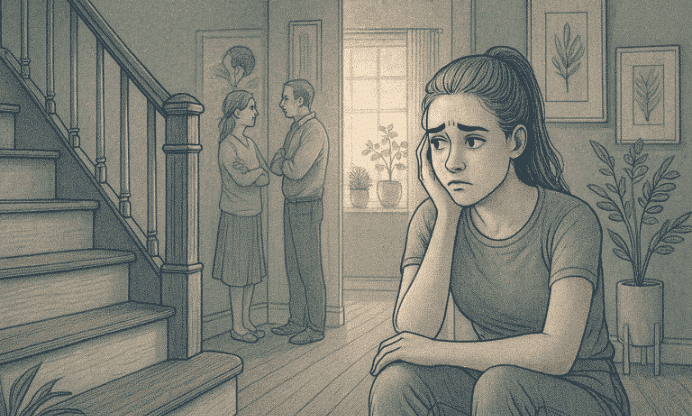
Family dynamics profoundly impact teen stress levels, with home either serving as a refuge from outside pressures or becoming an additional source of tension they can’t escape.
Cause 4: Identity Formation and Future Uncertainty
Who Am I and Who Should I Become?
Adolescence is fundamentally about identity formation; figuring out who you are separate from your parents, what you value, and how you want to show up in the world. This process is inherently stressful because it involves questioning everything you once took for granted.
Your teen is trying on different identities and ways of being. What looks like inconsistency is often exploration. They’re testing boundaries and discovering what feels authentic versus what they’ve been doing to please others.
The pressure to have it all figured out creates additional stress. Society sends the message that teens should know exactly who they are and what they want to do with their lives, when in reality, identity development continues well into adulthood.
Career Decisions That Feel Too Big Too Soon
The expectation that teens should choose career paths before they’ve experienced much of life creates overwhelming pressure. College major decisions feel permanent and life-defining.
Many teens genuinely don’t know what they want to do professionally, and that’s completely normal. But the systems around them make uncertainty feel like failure.
Helping Teens Through Uncertainty
Normalize not having everything figured out. Share stories of people who changed directions or discovered their calling later in life. Help your teen see that early choices aren’t necessarily permanent.
Encourage them to focus on developing skills and discovering interests rather than locking into specific career plans.
Cause 5: Social Media and Digital Overwhelm
Comparison Culture and Filtered Reality
Social media creates unique stress that previous generations never faced. Constant exposure to carefully curated highlight reels makes teens feel like everyone else has perfect lives, bodies, relationships, and experiences.
The comparison trap is inescapable when your teen can scroll through hundreds of seemingly perfect images in minutes. Their own ordinary life feels disappointing by contrast.
The Pressure of Constant Connectivity
Digital life never sleeps, which means your teen never gets true breaks from social stress. Group chats continue all night. Social dynamics play out in real-time online. The fear of missing out keeps them checking their phones compulsively.
The pressure to maintain an online presence adds another task to an already overwhelming schedule. Creating content, responding to messages, and managing their digital reputation becomes exhausting work.
Cyberbullying and Online Drama
Mean comments, screenshot sharing, public shaming, and exclusion hurt deeply when they happen online. The digital nature makes bullying feel more permanent since nothing truly disappears from the internet.
Finding Digital Balance
Help your teen establish healthy boundaries with technology. This isn’t about banning devices but teaching intentional use. Encourage phone-free times, especially before bed and during family meals.
Why Mission Prep is Your Partner for Managing Teen Stress

Mission Prep’s Washington facility combines the comfort of a home setting with therapeutic amenities designed to help teens find calm and focus on healing.
When life starts piling on pressure and your teen feels stretched thin, the right kind of support can make all the difference. At Mission Prep Healthcare, we recognize that teen stress often stems from many areas of life: school, friends, family, and even the online world. Our goal is to help teens untangle that stress and regain balance in a healthy, sustainable way.
We offer personalized programs for ages 12 to 17 through residential, outpatient, and telehealth options. Each plan focuses on identifying the specific triggers behind stress and teaching practical coping skills that actually work in daily life, without making medication the main focus.
What makes our care different is our focus on lasting change. We help teens understand and manage what’s driving their stress. Through therapy and guided activities, they learn how to handle academic pressure, strengthen relationships, communicate openly, and build confidence in who they are.
Families are an essential part of the process. Our licensed therapists work closely with parents, giving them tools to create calmer, more supportive home environments that reinforce progress made in treatment.
Every step at Mission Prep is designed to help teens grow into stronger, more self-aware individuals. We help build resilience, confidence, and emotional intelligence that last long after treatment ends.
Frequently Asked Questions (FAQ)
Can stress from one area of life affect other areas for my teen?
Absolutely. Teen stress rarely stays compartmentalized. Academic stress can disrupt sleep, which affects mood and social relationships. Social stress can make concentration in school nearly impossible. Understanding this interconnection helps you recognize why comprehensive support often works better than targeting single issues.
How can I tell which source of stress is affecting my teen the most?
Pay attention to what they talk about, what situations they avoid, and when their stress symptoms intensify. Sometimes direct conversation helps: ask what feels hardest right now without judging their answer. Professional evaluation can provide clarity when the source isn’t obvious.
Is it normal for teens to be stressed about things that seem minor to adults?
Yes, and dismissing their stress as overreacting rarely helps. Teen brains process emotional experiences more intensely, and they lack the life experience that provides perspective. Validating their feelings while gently offering perspective shows respect for their experience.
How does Mission Prep help teens dealing with multiple sources of stress?
Mission Prep provides residential, outpatient, and telehealth programs specifically designed for adolescents dealing with stress, anxiety, and emotional regulation challenges from multiple sources. Our family-focused approach includes cognitive behavioral therapy, stress management skill building, and emotional resilience development through personalized care plans that emphasize therapeutic interventions over medication.