

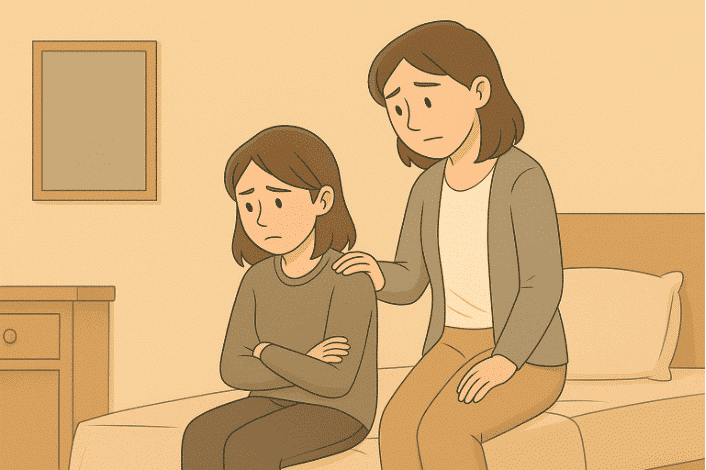
High school years are generally a period of growth, exploration, and independence. While that said, it can also be an emotionally overwhelming phase for teens. Parents frequently notice that their outgoing, confident child is quiet, reluctant, or depressed, which worries the parents. If you’ve seen a change in your teen’s mood or behavior, you are not alone. Furthermore, it seems logical. The first essential step to help adolescents is to raise your own awareness. Depression is more prevalent among students in high school. This greater awareness has helped us understand the issue better. Better awareness enables warning signs to be identified earlier and allows more timely and effective intervention and treatment. Teens can undoubtedly recover with the proper structure, expert assistance, and more emotional support. Resilience, healing, and hope are all attainable.
Why Depression Is Becoming More Common in High School Students
Today’s youth face multiple daily pressures that contribute to depression. Many students worry about falling behind due to excessive school loads and increased college requirements. Social media also shows teens others’ accomplishments, attractiveness, and lives. Comparing yourself to others can lead to long-term sentiments of not being “good enough” that erode identity.
Adolescence is a crucial time for identity development. Teens have powerful sensations when making friends. Discovering who they are and where they fit can be overwhelming. When stress and despair come, they may be more intense because the chemistry of the teenage brain’s decision-maker is still maturing. A lot of youngsters are still facing psychological problems due to various factors like loneliness, disturbed routine, and social disconnection. These variables create an upsetting atmosphere leading to sadness.
What Depression Really Looks Like in High School Students
Teen depression is not always accompanied by melancholy. They can be irritable, emotionally numb, and unmotivated. Teens who cared about grades may stop trying. Any teenager involved in sports, music, or clubs may lose interest. Parents often report their teen leaving family conversations, declining social activities, or staying in their bedroom.
Changes can be emotional and physical. Depressed teens show their sentiments in two ways. Some feel helpless or exhausted, while others withdraw and become emotionally unresponsive. Changing sleep habits can cause headaches, stomachaches, and fatigue. Misinterpreted rebellious or lethargic behavior may indicate that the young person is overburdened and struggling with their internal world.
Why Teens Don’t Always Tell Parents What’s Wrong
It is often difficult for parents to understand why teens refuse to talk about their feelings. Many young individuals deliberately obscure their feelings, usually to prevent their parents from further worrying. Some feel ashamed, confused, or doubtful, and think they should be able to sort out their feelings themselves. Some people do not share what they are going through because they fear being judged. In many instances, a teenager’s silence is not a sign of mistrust; rather, it stems from overwhelming emotions and struggles to make sense of their internal world.
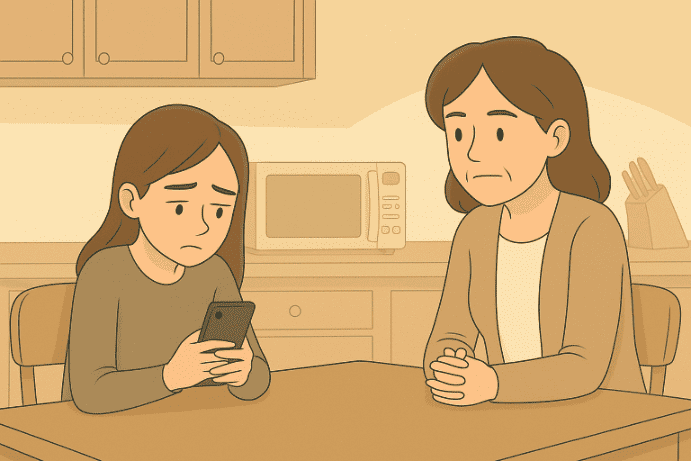
How Parents Can Support Their Teen
Parents are extremely valuable in assisting depressed adolescents. Establishing calm, non-judgmental space to facilitate open communication is the first step. Talking to teens gently, without any pressure, will help them disclose and make them feel safe. In addition, telling them their well-being is more important than academic or social performance will ease a lot of pressure on them.
Professional interference is really a significant part of practical support. Therapists or counsellors, for instance, can identify the nature and severity of the teenager’s depression symptoms . Likewise, recommend appropriate interventions based on the type of depression being presented in a teenager.. Being surrounded by supportive individuals, whether parents, counsellors, teachers, relatives, or any trusted adult, can reduce isolation among adolescents and increase their sense of belonging. Most importantly, remind them that they are not alone and that depression is treatable to help them maintain their hope, even during moments when it feels diminished.
Consistency matters, small and steady acts of support often make a difference. In order to encourage healthy routines, praise their efforts, and remind them that it takes time to reach their goal. If parents are patient, understanding, and accepting, a teenager feels safer when sharing their feelings and trusting the healing process. Most importantly, remind your teen that healing is a journey and they deserve compassion throughout that journey.
Mission Prep Teen Treatment – Residential Treatment Program for Depression
If your high school student is encountering depression and requires more structure, support, and therapeutic care than weekly sessions provide. Mission Prep Teen Treatment offers an environment specifically designed for teens, which is both structured and supportive. Our residential treatment program for depression aims to offer high school students the needed amount of support to heal, grow, and find stability again.