Key Takeaways
- Psychotic depression combines severe depression with hallucinations or delusions, making it different from regular depression that most teens experience.
- Early warning signs include social withdrawal, unusual beliefs, hearing voices, and dramatic changes in sleep or eating patterns.
- The condition often results from a combination of genetic factors, changes in brain chemistry during adolescence, and environmental stressors.
- Effective treatment typically includes a combination of antipsychotic medications, antidepressants, and specialized therapy approaches.
- Mission Prep Healthcare offers specialized residential treatment for teens with psychotic depression. With 24/7 care, individualized treatment plans, evidence-based therapies, and a family-centered approach, we help adolescents understand they are not defined by their diagnosis and support long-term recovery.
What Teen Psychotic Depression Really Looks Like
When psychotic depression hits during the teenage years, it can be particularly confusing because adolescence is already a time of significant change and emotional turbulence. Your developing brain is especially vulnerable during this period, which can make the symptoms more disruptive than they might be for adults.
The experience is often described as feeling trapped in a nightmare while awake, where your thoughts, perceptions, and emotions all become distorted at once. You might feel completely drained of energy while simultaneously experiencing racing thoughts or intense fears that don’t make logical sense.
How It’s Different From Regular Depression
Regular depression feels terrible on its own, but psychotic depression adds another layer of struggle. With typical depression, you might feel hopeless, sad, or empty, but you generally maintain a grasp on reality. With psychotic depression, your brain adds symptoms that disconnect you from shared reality in some way.
The psychotic features can actually be related to your depressive thoughts – for example, hearing voices telling you you’re worthless, or believing your body is decaying because you feel so bad inside. These symptoms are called “mood-congruent” because they match the depressive themes.
This combination makes treatment more complex but also more targeted when professionals understand what’s happening.
Why This Is Happening to You: Common Causes
One of the most important things to understand about psychotic depression is that it rarely has a single cause. Instead, it typically develops when several risk factors combine at a vulnerable time in your life.
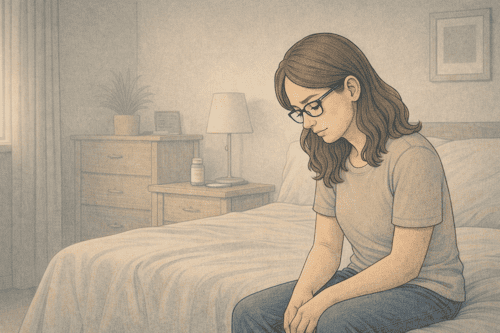
Psychotic depression rarely has a single cause. It usually develops when multiple risk factors converge during a vulnerable period.
Genetic Factors That Might Be at Play
Your genetic makeup can significantly influence your vulnerability to psychotic depression.
If you have family members who have experienced depression, bipolar disorder, schizophrenia, or psychotic disorders, your risk increases. This doesn’t mean you’re destined to develop these conditions; instead, it suggests your brain might be more susceptible to specific chemical imbalances.
Understanding your family history isn’t about assigning blame—it’s about recognizing patterns that can help with prevention and treatment planning.
Brain Chemistry Changes During Adolescence
The teenage brain undergoes massive restructuring, making adolescence a particularly vulnerable time for mental health challenges. Your prefrontal cortex, which is responsible for rational decision-making and impulse control, is still developing, while the emotional centers of your brain are highly active.
This natural imbalance can create the perfect conditions for depression and psychosis to emerge, especially when other risk factors are present.
Trauma & Stress Triggers
Experiencing trauma or significant stress can trigger psychotic depression in teens who are already genetically vulnerable. This might include physical or emotional abuse, witnessing violence, losing a loved one, enduring severe bullying, or living through other distressing events.
Your brain’s stress response system can become overwhelmed, leading to both mood disturbances and a sense of disconnection from reality.
Environmental Factors That Can Contribute
Your environment plays a crucial role in either protecting against or potentially triggering psychotic depression. Living in unstable or chaotic households, experiencing food or housing insecurity, or lacking consistent emotional support can all increase risk.
Additionally, sleep disruption, common among teenagers due to both biological changes and lifestyle factors, can also contribute to both depression and psychotic symptoms. Your brain performs critical maintenance and processing during sleep, and chronic sleep deprivation can disrupt the delicate chemical balance needed for mental health.
Recognizing the Warning Signs in Yourself or Friends
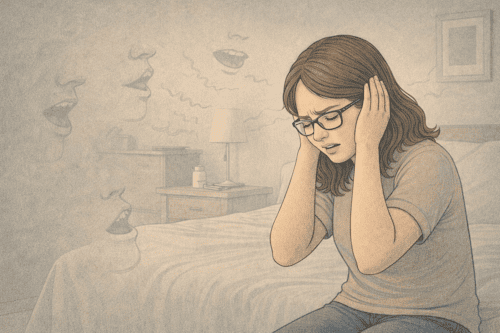
Catching psychotic depression early can significantly improve outcomes and reduce suffering.
Changes in Thoughts & Beliefs
Pay attention if you or a friend starts expressing unusual ideas that seem disconnected from reality. These might include paranoid thoughts like believing classmates are plotting against you, or having an unshakable sense that something catastrophic is about to happen.
Another warning sign is difficulty concentrating or organizing thoughts. Conversations might become hard to follow, with frequent topic changes or statements that don’t quite connect logically. Some teens report feeling like their thoughts aren’t entirely their own, or that someone or something is inserting ideas into their mind.
Emotional Shifts to Watch For
Beyond the persistent sadness of depression, psychotic depression often includes intense fear, paranoia, or agitation. You might notice extreme mood swings, periods of emotional numbness alternating with overwhelming feelings, or emotional responses that don’t match the situation.
Many teens report a profound sense of emptiness or detachment, as if watching themselves from outside their bodies.
Social Withdrawal Patterns
One of the earliest and most consistent warning signs is social withdrawal. You might notice yourself or a friend pulling away from previously enjoyable activities, declining invitations, or seeming distant even when physically present with others.
This isolation often stems from both the energy depletion of depression and the fear that others will notice something “off” about thoughts or perceptions.
Some teens with psychotic depression develop intense suspicion of friends and family, believing others have harmful intentions or can’t be trusted. This paranoia further reinforces isolation, creating a dangerous cycle where symptoms worsen without the protective effects of social connection and outside perspective.
Behavioral Red Flags
Changes in behavior often provide the most visible clues of psychotic depression. Watch for dramatic shifts in sleep patterns—either excessive sleep or severe insomnia. Similarly, appetite can change significantly, with some teens barely eating while others use food as comfort and gain weight rapidly.
Personal hygiene and appearance may deteriorate as the energy and motivation to maintain daily routines diminish. Some teens exhibit unusual movements or postures, such as rocking, pacing, or remaining in uncomfortable positions for extended periods.
Perhaps most concerning are any signs of self-harm or suicidal behavior, including giving away prized possessions, making final arrangements, or expressing that others would be better off without them.
Getting Help: Treatment Options That Actually Work
Therapy Approaches Designed for Teens
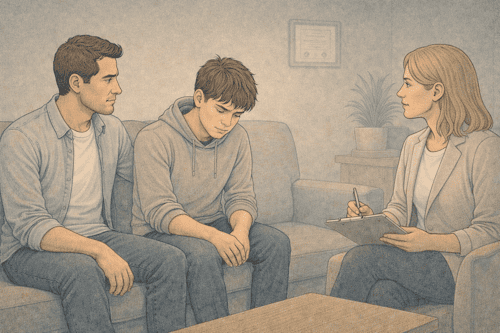
While medication addresses the biological aspects of psychotic depression, therapy helps you process what you’ve experienced, develop coping strategies, and rebuild your life.
Cognitive Behavioral Therapy for Psychosis (CBTp) has been specifically adapted for young people and focuses on understanding and managing unusual thoughts and perceptions. This approach helps you examine the evidence for distressing beliefs and develop alternative explanations for your experiences.
Family therapy is also crucial, as it helps your parents or guardians understand what you’re going through and how best to support you.
Through guided sessions, families learn communication strategies, how to reduce stress in the home environment, and how to respond helpfully when symptoms arise. Having your family engaged in your recovery dramatically improves your chances of long-term wellness.
Hospital & Intensive Outpatient Programs
During acute episodes of psychotic depression, a brief hospital stay might be necessary to ensure safety and stabilize symptoms quickly. Though the idea of hospitalization might seem scary, modern adolescent psychiatric units are designed to be therapeutic environments where you can receive around-the-clock care from specialists.
These stays are typically short—just long enough to get you through the crisis period and establish an effective treatment plan. After hospitalization or as an alternative for less severe cases, partial hospitalization programs (PHPs) or intensive outpatient programs (IOPs) provide comprehensive treatment while allowing you to live at home.
These programs typically meet 3–5 days per week for several hours each day, offering a structured environment with therapy, medication management, and educational support.
Medications That Target Both Depression & Psychosis
Many teens begin recovery through therapy, structured routines, and learning grounding techniques that help manage distressing thoughts and perceptions. Medication becomes essential for most teens with psychotic depression. Treatment usually involves a combination of antipsychotics and antidepressants working together—antipsychotics help reduce hallucinations and delusions, while antidepressants target the mood symptoms.
Finding the right medication combination often takes time and patience. Your doctor will likely start with lower doses and gradually increase them to find what works best with minimal side effects. Being completely honest about both the positive changes and any side effects you experience will help your treatment team fine-tune your medication plan. Never stop taking medication suddenly or change doses on your own, as this can cause withdrawal symptoms or trigger a relapse.
Treatment for Psychotic Depression in Teens at Mission Prep Healthcare
At Mission Prep Healthcare, we specialize in treating adolescents with complex mood and thought disorders, including psychotic depression. Our residential program provides the structured, supportive environment teens need to focus entirely on healing.

With 24/7 professional care, individualized treatment plans, and evidence-based approaches like CBT and DBT, we address both the depressive and psychotic components of this condition.
Every teen deserves to understand that they are not their diagnosis. Our clinical team conducts thorough assessments, works closely with families, and builds sustainable long-term care plans tailored to each adolescent’s unique needs. Through individual, family, and group therapy, we help teens develop the skills and insights necessary for lasting wellness.
Recovery from psychotic depression is absolutely possible. With the proper treatment and support, your teen can reclaim their sense of reality, rebuild their life, and move forward with hope.
Frequently Asked Questions (FAQs)
How is psychotic depression different from schizophrenia?
While both conditions involve psychotic symptoms like hallucinations and delusions, psychotic depression includes these symptoms alongside severe depression, and the psychotic features often reflect depressive themes (like believing you’re worthless or dying).
Schizophrenia typically involves psychotic symptoms without the same depressive component and follows a different pattern. Only a qualified mental health professional can make an accurate diagnosis.
What should I do if my teen is hearing voices or expressing unusual beliefs?
Take these symptoms seriously and seek professional help promptly. Schedule an appointment with a mental health professional or your teen’s doctor as soon as possible.
If your teen expresses thoughts of self-harm or seems unable to distinguish reality, seek emergency care immediately by calling 988, going to an emergency room, or calling 911.
Will I need to be hospitalized for treatment?
Not all teens with psychotic depression require hospitalization. Brief hospital stays may be necessary during acute episodes to ensure safety and stabilize symptoms quickly.
Many teens can be treated through intensive outpatient programs or partial hospitalization that provide comprehensive care while allowing them to live at home.
How does Mission Prep Healthcare treat teens with psychotic depression?
Mission Prep Healthcare provides comprehensive residential treatment specifically designed for adolescents with mood and thought disorders, including psychotic depression. Our approach combines medication management with evidence-based therapies like CBT and DBT, along with individual, family, and group therapy.
We offer 24/7 care in a structured environment, create individualized long-term treatment plans, and work closely with families to ensure teens understand their diagnosis does not define them.