Key Takeaways
- Art therapy offers a non-verbal outlet for complex emotions, making it effective for teens who struggle to articulate feelings in traditional talk therapy.
- The creative process in art therapy helps depressed teens externalize their internal struggles, gain self-awareness, and develop healthier coping mechanisms.
- Art therapy is often utilized alongside evidence-based treatments like Cognitive Behavioral Therapy (CBT) and Dialectical Behavior Therapy (DBT) as part of a comprehensive treatment plan.
- No artistic talent is required for art therapy to be beneficial; the therapeutic value lies in the creative process itself, not the quality of the finished artwork.
- Mission Prep Healthcare integrates art therapy with evidence-based approaches to provide adolescents with multiple pathways for healing from depression.
Understanding Art Therapy for Teens
When your teenager is struggling with depression, finding the right treatment approach can feel overwhelming. While traditional talk therapy is effective, many teens find it difficult to articulate the complex emotions they feel. This is where art therapy offers a powerful clinical alternative.
Art therapy is a specialized form of mental health treatment that uses creative expression to support emotional well-being and personal growth. Unlike art classes focused on technique, clinical art therapy prioritizes the emotional healing that occurs through the creative process.
In art therapy sessions, teens work with a trained art therapist who understands both psychology and creative techniques. The therapist creates a safe, non-judgmental environment where adolescents can explore their thoughts and feelings through various artistic mediums. The focus isn’t on creating beautiful art but on using the creative process as a vehicle for emotional exploration.
Art therapists allow teens to share as much or as little about their artwork as they choose, respecting their autonomy while gently facilitating deeper self-understanding.
Why Art Therapy Works for Depressed Teens
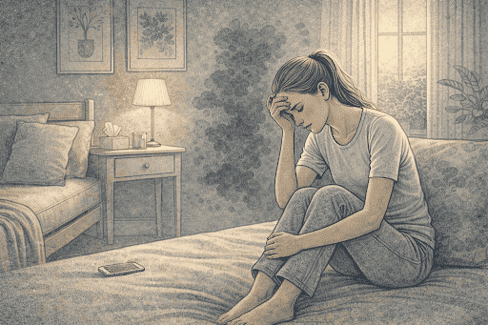
Many depressed teens struggle to find words for what they’re feeling, which is where art therapy can help.
Adolescence is inherently turbulent; depression adds a profound layer of isolation. Depressed teens often lack the vocabulary to describe their internal experiences. They may feel numb, overwhelmed, or simply lack the emotional vocabulary to describe their inner world.
Art therapy works by bypassing these verbal barriers. When someone carries heavy feelings, they might not have the words to express them, but they can often represent them through colors, shapes, and images. A teen might paint a storm to represent inner chaos, or sculpt walls to show how they’ve been protecting themselves from getting hurt.
Creating art also provides a healthy outlet for difficult emotions. The physical act of painting, drawing, or sculpting can be meditative and calming, offering temporary relief from the persistent heaviness of depression.
Crucially, art therapy externalizes internal struggles. By projecting pain onto a canvas or clay, the struggle becomes external—something tangible they can observe, discuss, and dismantle. The problem becomes the artwork, not the teen.
How Art Therapy Helps with Adolescent Depression
Emotional Expression and Processing
Depression often involves emotions that feel too big or too complicated to express verbally. Art therapy gives teens permission to explore and release these feelings through creative outlets. The process of choosing colors, making marks on paper, or shaping clay allows emotions to flow outward rather than staying trapped inside.
Through creating art, teens can identify feelings they may not have been consciously aware of. A teen who insists they’re “fine” might create artwork revealing deep sadness or anger they hadn’t acknowledged. This awareness is the first step toward processing and ultimately healing from difficult emotions.
Building Self-Esteem and Confidence
Depression typically erodes self-esteem, leaving teens feeling worthless or incapable. Art therapy provides opportunities for accomplishment that don’t carry the pressure of academic or social performance. Completing an art piece, regardless of its aesthetic quality, creates a sense of achievement.
As teens develop new creative skills and see tangible evidence of their efforts, their confidence grows. They begin to recognize their unique strengths and abilities, which can help counter the negative self-perception that depression often creates.
Developing Healthy Coping Skills
Many depressed teens lack effective strategies for managing overwhelming emotions. Art therapy teaches them that creative expression can serve as a healthy coping mechanism. Instead of withdrawing, ruminating, or engaging in harmful behaviors, teens learn they can pick up a paintbrush or piece of clay to work through difficult moments.
These coping skills extend beyond therapy sessions. Many teens who participate in art therapy continue using creative expression as a tool for emotional regulation long after treatment ends.
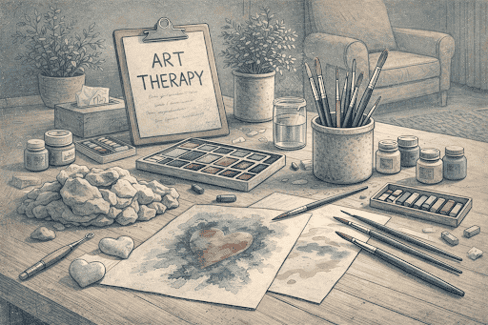
Art therapy gives depressed teens a creative outlet for processing emotions that feel too overwhelming to express through words alone.
Common Art Therapy Techniques for Teens
Drawing and Painting
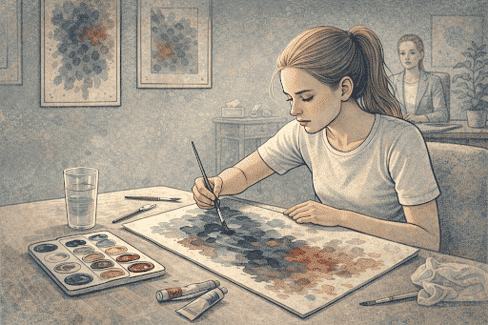
These foundational techniques allow teens to express themselves through color, line, and imagery. A therapist might invite a teen to paint their current mood using only colors and shapes, or to draw a representation of how depression feels in their body. Watercolors, acrylics, markers, and colored pencils each offer different qualities that can match different emotional states.
Sculpting and Clay Work
Working with clay provides a tactile, hands-on experience that can be particularly grounding for depressed teens. The physical act of molding and shaping materials helps teens connect with their bodies and the present moment. Sculpting also allows for three-dimensional representation of emotions and experiences.
Collage-Making
Working with collage art involves selecting and arranging images from magazines or other sources to create meaningful compositions. This approach reduces performance anxiety for teens worried about artistic ability, allowing them to express themselves without the pressure of drawing from scratch. Creating a collage about hopes for the future or current struggles allows teens to express themselves without needing to draw or paint from scratch.
Journaling and Mixed Media
Combining writing with visual elements creates another avenue for expression. Art journals might include drawings alongside written reflections, or incorporate photographs, found objects, and various materials. This approach appeals to teens who want to integrate verbal and visual processing.
Art Therapy vs. Traditional Talk Therapy
Both art therapy and traditional talk therapy can effectively treat adolescent depression, but they work in different ways.
Talk therapy relies primarily on verbal communication and works well for teens comfortable expressing themselves through words. Art therapy provides a non-verbal pathway, making it particularly valuable for teens who find it challenging to articulate their feelings or who feel intimidated by direct questioning.
Some teens resist traditional therapy because it feels too adult-like or carries stigma. Art therapy changes this dynamic by offering a different language that feels more natural and less threatening to many adolescents.
Fortunately, these approaches are not mutually exclusive. Art therapy integrates seamlessly with traditional methods, providing teens with multiple pathways for healing.
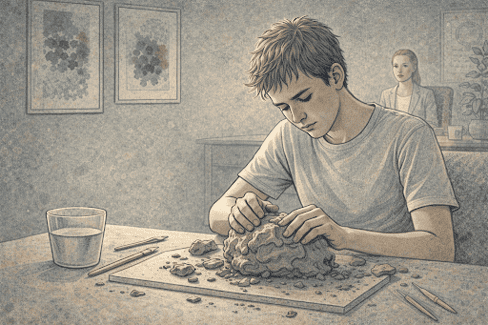
For teens who struggle with verbal expression, art therapy offers an alternative pathway to healing that feels natural and non-threatening.
Art Therapy as Part of a Comprehensive Treatment Plan
Combining with CBT and DBT
Art therapy pairs effectively with evidence-based treatments like Cognitive Behavioral Therapy and Dialectical Behavior Therapy. CBT helps teens identify and change negative thought patterns, while DBT teaches skills for emotional regulation and distress tolerance. Art therapy can reinforce these approaches by providing visual and creative ways to practice the same skills.
For example, a teen learning emotion regulation through DBT might create artwork representing different emotional states and healthy responses to them. The combination of creative expression with concrete skill-building creates a powerful foundation for lasting change.
Family Involvement
Depression affects the entire family, and involving parents in treatment often improves outcomes. Some art therapy programs include family sessions where parents and teens create art together, opening new channels of communication and understanding. Parents can also learn about the therapeutic process and how to support their teen’s creative expression at home.
Individual vs. Group Settings
Art therapy can be conducted individually or in groups, each offering distinct benefits. Individual sessions provide personalized attention and a private space for exploring sensitive emotions. Group sessions allow teens to connect with peers facing similar challenges, reducing isolation and building social skills. Many treatment programs offer both formats.
What to Expect in Art Therapy Sessions
Sessions typically take place in a comfortable space equipped with various art materials. The art therapist begins by creating safety and establishing rapport. There’s no pressure to produce anything specific or share more than the teen feels comfortable sharing.
The therapist might offer a prompt for exploration or allow the teen to create freely. Throughout the session, the therapist provides gentle support and may ask open-ended questions that help the teen connect with their creative process.
Most importantly, no artistic skill is required. Art therapy isn’t about creating masterpieces. The therapeutic value comes from the process of creation itself, not the quality of the finished product. Whether creating abstract shapes or simple sketches, every form of expression is valid.
Our Approach to Art Therapy for Adolescent Depression
In art therapy, the healing happens through the creative process itself, making artistic skill or talent completely unnecessary.
Depression in adolescents requires compassionate, comprehensive treatment that addresses each teen’s unique needs. Mission Prep Healthcare recognizes that teens express themselves and process emotions in different ways, which is why we integrate creative therapeutic approaches alongside evidence-based treatments.
Our programs combine art therapy with proven approaches like CBT and DBT, giving teens multiple pathways for emotional expression and skill development. Treatment plans are individualized, recognizing that what works for one teen may not work for another. For adolescents who struggle with verbal expression, art therapy provides a valuable complement to traditional therapeutic methods.
Family involvement remains central to our approach. We help parents understand the role of creative expression in their teen’s healing journey and provide guidance on supporting continued growth at home. Through family therapy sessions, parents gain insight into their teen’s emotional world and strengthen their connection.
We offer residential, outpatient, and telehealth options to meet families where they are. Each setting provides a supportive environment where teens can explore creative expression, develop coping skills, and work toward lasting recovery from depression.
Frequently Asked Questions (FAQs)
Does my teen need to be artistic for art therapy to help?
Not at all. Art therapy is about the process of creation, not the final product. Teens don’t need any artistic talent or experience to benefit. The therapeutic value comes from expressing emotions through creative means, whether that results in detailed drawings or simple shapes and colors. Art therapists create a judgment-free environment where all forms of expression are welcomed and valued.
How is art therapy different from just doing art at home?
While creating art at home can be therapeutic, art therapy involves working with a trained mental health professional who understands how to use the creative process for healing. Art therapists guide teens through their emotional exploration, help them make connections between their artwork and their feelings, and integrate insights into broader treatment goals. The structured therapeutic relationship makes art therapy distinct from casual art-making.
Can art therapy replace other treatments for depression?
Art therapy is most effective when used as part of a comprehensive treatment plan rather than as a standalone intervention. For adolescent depression, combining art therapy with evidence-based approaches like CBT or DBT typically produces the best outcomes. Art therapy provides a valuable complement to other treatments by offering non-verbal pathways for expression and healing.
How long does art therapy take to show results?
The timeline varies for each teen depending on the severity of their depression, their engagement with the process, and other individual factors. Some teens experience benefits quickly, while others need more time. Consistent participation and integration with other therapeutic approaches generally lead to more significant and lasting improvements.
Does Mission Prep Healthcare offer art therapy for teens with depression?
Yes, Mission Prep Healthcare integrates art therapy and other creative approaches into our treatment programs for adolescents ages 12-17. Our comprehensive approach combines creative expression with evidence-based therapies like CBT and DBT, providing teens with multiple pathways for healing from depression.