
Key Takeaways
- Social anxiety in teens often looks like avoidance of school, friendships, or group activities rather than simple shyness.
- Thought record worksheets and exposure ladders are effective, structured tools teens can use to challenge anxious thinking patterns.
- Mindfulness exercises, journaling prompts, and role-playing scenarios give teens low-pressure ways to practice social skills at their own pace.
- Parents play a key role by validating their teen’s experience, avoiding pressure, and knowing when professional support is needed.
- Mission Prep Healthcare offers evidence-based therapies like CBT and DBT in teen-focused residential and outpatient programs designed for lasting recovery.
Why Social Anxiety Activities Matter for Teens
Social anxiety is more than shyness. For many teens, it involves persistent fear of judgment, embarrassment, or rejection in everyday social situations, from answering a question in class to eating lunch with peers. Left unaddressed, social anxiety can lead to school avoidance, isolation, and declining self-esteem during some of the most formative years of adolescence.
Structured activities and worksheets give teens tangible tools to challenge anxious thoughts and gradually build comfort in social settings. These activities work well on their own for mild anxiety, and they also complement professional therapy approaches like cognitive behavioral therapy (CBT). This article covers five practical activities teens can start using right away, along with tips for parents who want to help.
How Does Social Anxiety Show Up in Teens?
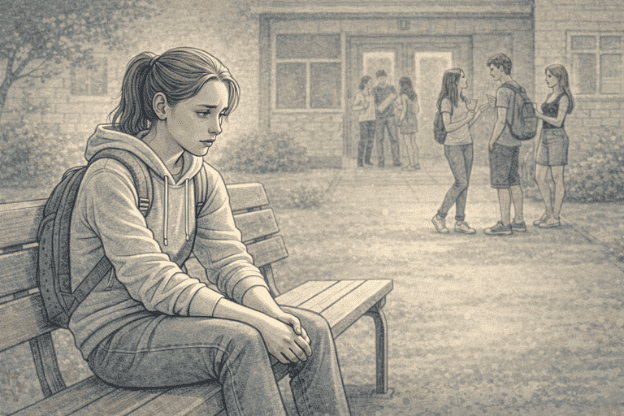
It helps to understand what social anxiety looks like in adolescence. Adults may notice a teen who seems “quiet” or “introverted,” but underneath, the teen may be experiencing racing thoughts, physical symptoms like nausea or sweating, and an intense desire to avoid situations where they might be noticed or evaluated.
Common signs include refusing to participate in class, avoiding phone calls or group chats, dreading school events, and expressing extreme worry before social interactions. Some teens may also experience irritability or anger as a way of masking their anxiety. Recognizing these patterns is the first step toward choosing the right activities and knowing if additional support is needed.

5 Social Anxiety Activities for Teens
1. Thought Record Worksheets
Thought records are a core CBT tool that helps teens identify and reframe negative thinking patterns. The worksheet typically has columns where the teen writes down the situation that triggered anxiety, the automatic thought that came up (e.g., “Everyone will laugh at me”), the emotion they felt, and then an alternative, more balanced thought (e.g., “Most people are focused on themselves, not on me”).
Over time, filling out thought records teaches teens to recognize that anxious thoughts are not facts. Parents or therapists can review these worksheets with the teen weekly to track patterns and celebrate progress. Printable thought record templates are widely available and can be customized for specific scenarios a teen faces, such as classroom participation or social gatherings.
2. Gradual Exposure Ladders
An exposure ladder is a worksheet where the teen ranks feared social situations from least to most anxiety-provoking. The bottom rung might be something like “saying hi to a classmate,” while the top might be “giving a presentation.” The teen works their way up the ladder over days or weeks, spending time at each level until the anxiety decreases.
This gradual approach prevents the teen from feeling overwhelmed and builds a genuine sense of accomplishment. The key is to move at the teen’s pace; pushing too fast can reinforce avoidance rather than reduce it. Each completed step should be acknowledged, reinforcing the idea that discomfort is temporary and manageable.
3. Role-Playing Social Scenarios
Role-playing gives teens a safe, low-stakes environment to practice conversations and social interactions before facing them in real life. A parent, sibling, or therapist can act as the other person in situations such as ordering food at a restaurant, joining a group conversation, or introducing themselves to someone new.
The goal is not perfection but repetition. The more a teen practices a scenario, the less unfamiliar and threatening it feels. Role-playing also helps teens develop concrete language and responses they can fall back on when anxiety spikes in the moment.
4. Mindfulness and Grounding Exercises
Mindfulness exercises help teens shift their attention away from anxious “what if” thoughts and back to the present moment. Simple grounding techniques like the 5-4-3-2-1 method (identifying five things you can see, four you can touch, three you can hear, two you can smell, and one you can taste) are especially effective because they can be done discreetly anywhere, including in a classroom or cafeteria.
Regular mindfulness practice, even five minutes a day, has been shown to reduce the intensity of anxious responses over time. Teens who prefer guided exercises can use free apps or audio recordings to build a consistent routine.
5. Journaling Prompts for Self-Reflection
Journaling offers teens a private space to process their social experiences without judgment. Structured prompts work better than open-ended journaling for teens with anxiety because they provide direction without feeling overwhelming. Examples include: “What social situation did I handle better than I expected this week?” or “What would I tell a friend who was feeling the same way I did today?”
Journaling helps teens externalize their thoughts, which makes anxious patterns easier to recognize and challenge. It also creates a written record of progress that can be incredibly motivating when a teen feels stuck or discouraged.

How Can Parents Support a Teen With Social Anxiety?
Parents are often the first to notice social anxiety, and their response matters significantly. The most helpful thing a parent can do is validate their teen’s experience without minimizing it. Saying “I can see this is really hard for you” is far more effective than “there’s nothing to worry about.”
Avoid forcing teens into social situations as a way to “toughen them up,” as this typically increases anxiety and damages trust. Instead, collaborate with your teen on small, manageable goals, like attending one social event per month or practicing a conversation skill together. Patience and consistency are more powerful than pressure.
It is also important to know when at-home activities are not enough. If social anxiety is interfering with your teen’s ability to attend school, maintain friendships, or participate in daily life, professional support from a therapist experienced with adolescents can make a meaningful difference. Outpatient therapy, and in more severe cases, residential programs, provide the structured environment teens need to develop lasting coping skills.
How Mission Prep Healthcare Supports Teens With Social Anxiety

Using structured activities like thought records and exposure ladders helps adolescents manage social fears. These tools provide a foundation for building confidence and reducing avoidance in everyday school environments. When these methods require more specialized guidance, Mission Prep Healthcare offers intensive programs designed for long-term progress.
Mission Prep Healthcare provides residential and outpatient treatment specifically for teens aged 12 to 17. Their clinical approach includes evidence-based therapies and integrated academic support to ensure students stay on track. Contact their team today to find a personalized care plan that helps your teenager regain a sense of belonging.
Frequently Asked Questions (FAQs)
What age group is most affected by social anxiety?
Social anxiety most commonly emerges during adolescence, typically between ages 11 and 15. The social pressures of middle school and high school can trigger or intensify symptoms in teens who are already predisposed to anxiety.
Can social anxiety go away without therapy?
Mild social anxiety may improve with consistent use of self-help tools like journaling and exposure exercises. However, moderate to severe social anxiety usually benefits from professional therapy, particularly CBT, to address deeply rooted thought patterns.
How is social anxiety different from introversion?
Introversion is a personality trait characterized by a preference for quieter environments. Social anxiety involves fear and avoidance driven by worry about judgment or embarrassment. An introvert can feel comfortable socially; a teen with social anxiety typically cannot.
Should parents push their teens to socialize more?
Forcing socialization often backfires, increasing avoidance. A more effective approach is to collaborate with your teen on gradual, manageable goals and to celebrate small steps forward rather than pressuring them into uncomfortable situations.
What makes Mission Prep Healthcare different for treating teen anxiety?
At Mission Prep Healthcare, we focus solely on teens aged 12–17 and offer therapies such as CBT and DBT in both residential and outpatient settings. Our family-centered approach and integrated academic support ensure teens heal without falling behind in school or feeling disconnected from home.