

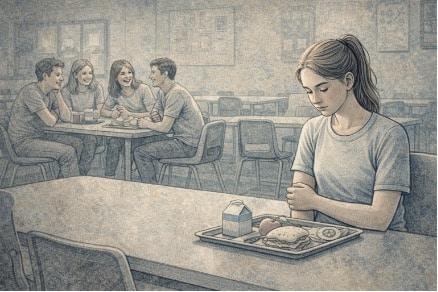
Key Takeaways
- Teens who feel left out often internalize exclusion as a personal flaw, which quietly reshapes how they show up at school, at home, and in new social situations.
- Jumping in with advice or reassurance before a teen feels heard usually shuts the conversation down, and parents often miss the window to understand what is actually happening.
- Calm check-ins, one new activity outside school, and evidence-based therapy from a teen-focused provider like Mission Prep Healthcare work together to rebuild a real sense of belonging.
- Teens who receive CBT or DBT for social anxiety often show measurable gains in peer functioning within 12 to 16 weeks, without medication as a starting point.
- Mission Prep Healthcare provides residential, outpatient, and virtual care for social anxiety in teens ages 12 to 17, with weekly family therapy built into every level of care.
When Your Teen Feels Left Out
If your teen has been pulling away, quieter after school, or no longer mentioning friends, the first move is a calm, nonjudgmental conversation where you listen before offering any perspective. Most parents underestimate how much validation matters at this stage; research on adolescent communication consistently shows teens disclose more when they feel heard rather than corrected. That single shift in approach usually decides whether your teen keeps talking or shuts the door for weeks.
From there, practical steps like encouraging a new activity, helping them reframe what friendship looks like, and staying consistently present at home all support a stronger sense of connection. When isolation persists, or starts affecting mood and daily functioning, evidence-based therapy is an effective next step. This article walks through each of these approaches in detail.
Why Being Left Out Feels So Intense for Teens
The adolescent brain is wired to prioritize peer connection in a way that the adult brain simply does not. Social feedback carries more emotional weight during this developmental stage, which means exclusion hits teenagers harder than adults might expect.
When a teen is left out repeatedly, they often begin drawing conclusions about themselves: that they are awkward, different, or fundamentally hard to like. These beliefs do not stay passive. They start shaping how a teen enters social situations, how much energy they invest in friendships, and how resilient they feel when things go wrong.
Left unaddressed, persistent social exclusion can contribute to anxiety, depression, and behavioral withdrawal. The goal for parents is not to eliminate every social obstacle but to stay close enough to recognize when everyday adolescent struggle has crossed into something that needs more attention.
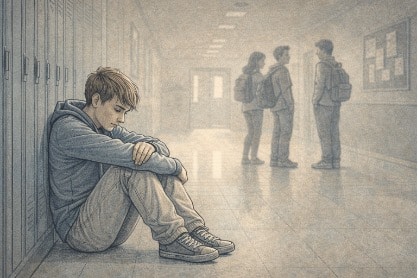
Signs Your Teen May Be Feeling Isolated
Teens rarely volunteer this information directly. Parents typically piece the picture together through behavioral and mood changes. Here are the patterns worth noticing:
- Pulling away from family interactions and shared routines
- Dropping hobbies, clubs, or sports they previously cared about
- Spending the majority of free time alone, especially online
- Making comments that reflect negative self-perception, such as “Nobody wants me around” or “I don’t belong anywhere”
- Noticeable mood shifts tied to specific social events, like school days, weekends, or time spent on social media
A single sign does not necessarily indicate a problem. If several of these patterns appear together and persist over a few weeks or more, that is a clear signal to open a direct, calm line of communication.
How to Talk to Your Teen About Feeling Left Out
Talking with a teenager about social struggles takes some care. Direct, formal conversations tend to backfire, because teens shut down when they feel cornered or monitored, so the setting and tone matter as much as what you say.
Choose a low-pressure moment with a natural distraction: a car ride, a walk, or time spent doing something side by side. Open with genuine curiosity rather than visible concern. “How have things been with your friend group lately?” tends to land better than “I’ve noticed you seem really isolated.”
When your teen starts talking, prioritize listening over responding. The instinct to reassure or minimize the situation is natural, but it can signal to a teen that their experience is being dismissed rather than taken seriously. Saying “That sounds really hard” or “I get why that would hurt” validates what they are feeling and keeps the conversation open.
After they feel heard, ask whether they want advice or just needed to talk. That question alone communicates respect for their perspective, and it is often what keeps teens willing to come back and have these conversations again.
Practical Ways to Help Your Teen Feel More Connected
Once you understand what your teen is going through, there are concrete steps you can take to help them rebuild a sense of belonging.
1. Encourage one new activity outside school. Structured environments like arts programs, sports teams, theater, or community volunteering give teens repeated exposure to peers with shared interests. Friendships that form through shared activity tend to feel more natural and are often more durable than those based purely on proximity.
2. Help them reframe what friendship should look like. Many teens measure social success by the size or visibility of their friend group. Helping your teen recognize that one or two genuine friendships carry more value than a wide social circle can remove a significant amount of self-imposed pressure.
3. Stay consistently present without hovering. Even when teens push back on parental involvement, they notice when it’s absent. Regular low-key check-ins, a relaxed tone, and letting your teen set the pace of the conversation all send the message that you are available without making them feel watched.
4. Model healthy social behavior at home. How you handle your own conflicts, talk about your friendships, and recover from social disappointments gives your teen a working model for doing the same. Teens absorb what they observe at home, often more than what they are told directly.

When to Seek Professional Support
There is a meaningful difference between a teen going through a rough social stretch and one who is genuinely struggling. Professional support makes sense when isolation has lasted more than a few weeks, when a teen has expressed hopelessness or worthlessness, or when their academic performance and daily functioning have visibly declined.
Cognitive Behavioral Therapy (CBT) and Dialectical Behavior Therapy (DBT) are both well-suited to teens dealing with social anxiety, peer rejection, and low self-esteem. CBT helps teens identify and challenge the thought patterns that drive avoidance and withdrawal. DBT focuses on emotional regulation and interpersonal effectiveness, giving teens practical tools for handling difficult peer situations.
These approaches are effective for many teens without medication, particularly at the outpatient level. Family participation in the process also makes a significant difference. Teens improve more consistently when parents are informed, involved, and working in the same direction as the treatment team.
Helping Your Teen Rebuild Connection with Mission Prep Healthcare

Supporting a teen who feels left out starts at home with steady listening, low-pressure check-ins, and encouragement to try one new activity outside school. When isolation lingers or starts affecting mood, sleep, or schoolwork, structured therapy becomes the right next step, and Mission Prep Healthcare works exclusively with adolescents ages 12 to 17 across residential, outpatient, and virtual programs.
Our clinicians use CBT and DBT to help teens manage social anxiety, rebuild peer confidence, and develop the skills they need to stay connected at school and at home. Weekly family therapy and consistent parent updates are built into every level of care, so you stay informed and involved throughout treatment.
Frequently Asked Questions (FAQs)
How do I know if my teen’s social struggles need professional help?
If your teen has been consistently withdrawn for several weeks, has lost interest in activities they used to enjoy, or regularly expresses negative beliefs about their social worth, it is worth speaking with a mental health professional. A brief evaluation can clarify whether what you are seeing fits typical adolescent stress or something that would benefit from structured support.
Can feeling left out lead to anxiety or depression in teens?
Yes. Repeated social exclusion can contribute to both anxiety and depression during adolescence, especially because peer belonging is so closely tied to teen identity formation. If you have noticed mood changes alongside your teen’s social withdrawal, addressing both together tends to produce better outcomes than waiting for one to resolve on its own.
What should I avoid saying to a teen who feels excluded?
Avoid responses that minimize the experience, such as “Just ignore them” or “You’ll find new friends soon.” Even when well-intentioned, these responses signal that the teen’s feelings are being brushed aside. Lead with acknowledgment before moving into any kind of guidance or reassurance.
Are there non-medication approaches that help teens with social anxiety?
Yes. CBT and DBT are both effective for teen social anxiety and interpersonal stress and do not require medication to work. CBT targets the thought patterns that drive avoidance, while DBT builds practical skills for managing difficult emotions and navigating peer interactions. Many teens make meaningful progress through outpatient therapy, though more intensive care may be appropriate depending on the situation.
How does Mission Prep Healthcare help teens who are struggling socially and emotionally?
At Mission Prep Healthcare, we provide teen-specific mental health programs for adolescents ages 12 to 17, including residential, outpatient, and virtual care. We use evidence-based approaches like CBT and DBT in age-appropriate settings, with family therapy and academic support built into every level. Our small-group, home-like facilities in California, Minnesota, and Virginia give teens a structured, supportive environment designed specifically for their stage of development.