

Key Takeaways
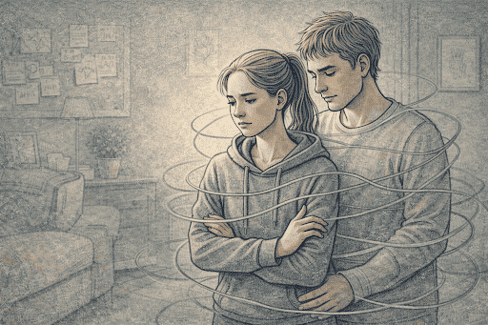
- Father-daughter enmeshment occurs when emotional boundaries become blurred, creating an overly dependent relationship that interferes with a daughter’s ability to develop her own identity.
- Common signs include boundary violations, role reversal where the daughter becomes an emotional caretaker, difficulty making independent decisions, guilt around personal needs, and challenges forming healthy outside relationships.
- Enmeshment often stems from a father’s unresolved emotional needs, fear of abandonment, or difficulty adjusting to his daughter’s growing independence.
- Healing from enmeshment involves recognizing unhealthy patterns, learning to set boundaries, and developing a stronger sense of self through therapeutic support.
- Mission Prep Healthcare helps teens and families address enmeshment through evidence-based therapies, family involvement, and individualized treatment plans designed to restore healthy relationship dynamics.
Understanding Father-Daughter Enmeshment
The bond between a father and daughter can be one of the most formative relationships in a young person’s life. When healthy, this connection provides security, builds confidence, and models what respectful relationships look like.
However, when the relationship becomes enmeshed, it can have the opposite effect, leaving daughters feeling confused, emotionally drained, and unsure of who they are outside of their father’s influence. The daughter may feel overly responsible for her father’s emotions, while the father may rely on her for support and validation in ways that should be reserved for adult relationships.
Understanding the signs of enmeshment is the first step toward creating healthier patterns. Whether you’re a parent noticing concerning dynamics or a teen feeling trapped in an overwhelming relationship, recognizing these patterns can open the door to healing.
Sign #1: Blurred or Nonexistent Boundaries
One of the clearest indicators of father-daughter enmeshment is a lack of healthy boundaries. In these relationships, personal space, privacy, and emotional autonomy are often compromised.
A father in an enmeshed dynamic may become overly involved in his daughter’s personal life, wanting to know every detail about her friendships, conversations, and feelings. He might read her messages, listen in on phone calls, or insist on being included in decisions that should be hers to make. While parents naturally want to stay connected, enmeshment crosses into territory where the daughter feels she has no private life of her own.
Daughters in these relationships often struggle to recognize where their father’s feelings end and their own begin. They may adopt his opinions without question, suppress their own preferences to avoid conflict, or feel anxious when they have thoughts that differ from his. This boundary confusion can extend into other areas of life, making it difficult to establish limits with friends, teachers, or future partners.
Sign #2: Role Reversal and Emotional Caretaking
In healthy families, parents provide emotional support for their children, not the other way around. In enmeshed father-daughter relationships, however, these roles often become reversed.
A daughter may find herself acting as her father’s therapist, confidante, or emotional anchor. He might share adult problems with her, seek her advice on personal matters, or rely on her to regulate his moods. When he’s upset, she feels responsible for making him feel better. When he’s happy, she feels she’s succeeded in her role.
This dynamic places an enormous burden on a teenager who is still developing emotionally. Instead of being free to focus on her own growth, friendships, and interests, she becomes consumed with managing her father’s emotional world. Over time, she may lose sight of her own feelings entirely, learning to prioritize his needs above her own as a matter of survival.

When daughters become emotional caretakers for their fathers, they often sacrifice their own developmental needs to maintain the relationship.
Sign #3: Difficulty with Independence and Decision-Making
Teens naturally begin seeking more autonomy as they grow. They want to make their own choices, explore their identities, and learn from their mistakes. In enmeshed relationships, this healthy push toward independence is often discouraged or even punished.
A daughter in an enmeshed dynamic may struggle to make decisions without her father’s input or approval. She might feel paralyzed when faced with choices, constantly wondering what he would think or whether he would approve. Even small decisions, like what to wear or which activities to pursue, can feel overwhelming without his guidance.
This difficulty stems from years of having her autonomy undermined. When a father consistently inserts himself into his daughter’s choices, she never learns to trust her own judgment. She may begin to believe that she’s incapable of navigating life without him, which reinforces the enmeshed dynamic and makes separation feel impossible.
Fear of disappointing her father can also keep a daughter stuck. She may avoid pursuing interests, friendships, or opportunities that she knows he wouldn’t approve of, even if they align with her true self. Over time, she may lose touch with what she actually wants, having spent so long trying to meet his expectations.
Sign #4: Guilt and Shame Around Personal Needs
Daughters in enmeshed relationships often experience intense guilt when they try to assert their own needs. Wanting privacy, time with friends, or space to pursue personal interests can feel selfish or even wrong.
This guilt is frequently reinforced by the father’s reactions. He may express disappointment, withdraw affection, or use subtle emotional manipulation when his daughter tries to create distance. Comments like “I thought we were closer than that” or “You don’t have time for your father anymore” can make a daughter feel that her natural desire for independence is a betrayal.
Over time, this guilt becomes internalized. The daughter may begin to believe that prioritizing her own needs makes her a bad person. She suppresses her desires to avoid the discomfort of feeling selfish, which only deepens the enmeshment. Breaking free from this cycle often requires outside support to help her understand that having personal needs is healthy, not harmful.

Guilt is often the invisible chain that keeps daughters bound to enmeshed relationships, making it feel impossible to prioritize their own well-being.
Sign #5: Challenges in Other Relationships
The effects of father-daughter enmeshment rarely stay contained within that single relationship. Daughters who grow up in enmeshed dynamics often struggle to form healthy connections with peers, romantic partners, and other family members.
Because she never learned to set boundaries with her father, a daughter may find it difficult to establish limits in friendships. She might tolerate mistreatment, over-accommodate others, or feel responsible for everyone’s emotions. Alternatively, she may avoid close relationships altogether, fearing that intimacy will lead to the same suffocating dynamic she experienced at home.
Romantic relationships can be particularly challenging. A daughter from an enmeshed background may unconsciously seek partners who replicate the familiar pattern, choosing people who are controlling or emotionally dependent. Or she may struggle with commitment, pulling away whenever a relationship becomes too close because intimacy feels threatening to her sense of self.
These relationship difficulties often persist into adulthood if the underlying enmeshment is never addressed. Learning to form healthy attachments requires first understanding how enmeshment shaped her expectations and behaviors.
The Impact of Father-Daughter Enmeshment on Teens
Enmeshment can significantly affect a teenager’s emotional development and mental health. When a daughter’s identity becomes intertwined with her father’s, she may struggle to develop a clear sense of who she is as an individual.
Self-esteem often suffers in enmeshed relationships. A daughter may feel that her worth depends entirely on how well she meets her father’s needs, leaving her vulnerable to anxiety and depression when she inevitably falls short. She may also experience confusion about her own values, interests, and goals, having spent years suppressing them to maintain the relationship.
Anxiety is common among teens in enmeshed dynamics. The constant pressure to manage her father’s emotions, anticipate his needs, and avoid disappointing him creates chronic stress. She may become hypervigilant, always scanning for signs that he’s upset and adjusting her behavior accordingly.
If left unaddressed, these patterns can follow a daughter into adulthood, affecting her relationships, career, and overall well-being. Early intervention provides the best opportunity to disrupt these cycles and support healthier development.
How to Begin Healing from Enmeshment
Healing from father-daughter enmeshment is possible, though it requires patience, support, and a willingness to change long-standing patterns.
The first step is recognizing and naming the dynamic. Many daughters don’t realize their relationship is enmeshed because the patterns feel normal. Learning about enmeshment can provide language for experiences that previously felt confusing or shameful.
Setting boundaries is essential but often uncomfortable. The change can start small. For example, by identifying one area where more space is needed, whether that’s privacy around private conversations, time with friends, or the freedom to make certain decisions independently. Communicate boundaries clearly and calmly, understanding that having their own thoughts and independence doesn’t mean they’re doing something wrong.
Developing a separate sense of self is also crucial. As young adults, it’s important to pursue their own interests, values, and goals apart from the father’s expectations. This might involve trying new activities, spending time with supportive friends, or working with a therapist to discover who they are outside of the enmeshed relationship.
Professional support can make a significant difference. A therapist experienced in family dynamics can help you and your family understand the roots of enmeshment, process difficult emotions, and develop practical skills for establishing healthier patterns.
Mission Prep’s Approach to Helping Teens Heal from Enmeshment

Family therapy helps transform enmeshed relationships into healthier connections for everyone involved.
Father-daughter enmeshment affects the entire family system, which is why effective treatment must address both the teen’s individual needs and the broader family dynamics. Mission Prep Healthcare specializes in helping adolescents ages 12 to 17 navigate complex family relationships and build healthier patterns for the future.
Our programs incorporate evidence-based therapies tailored to each teen’s unique situation. Cognitive Behavioral Therapy (CBT) helps teens identify and change thought patterns rooted in enmeshment, while Dialectical Behavior Therapy (DBT) teaches emotional regulation and boundary-setting skills. Attachment-based therapy addresses the disrupted bonds that often underlie enmeshed relationships, helping teens develop healthier ways of connecting with others.
Family therapy is a central component of our approach. We work with parents to help them understand their role in the dynamic, improve communication, and support their daughter’s growing independence. Healing from enmeshment doesn’t mean cutting off the relationship; it means transforming it into something healthier for everyone involved.
Mission Prep offers residential, outpatient, and telehealth options to meet each family’s needs. Our compassionate team provides a safe environment where teens can explore their identities, practice new skills, and build the foundation for healthier relationships.
Frequently Asked Questions (FAQs)
What is the difference between a close father-daughter relationship and enmeshment?
A close relationship encourages a daughter’s independence and celebrates her growing autonomy. Enmeshment discourages separation, blurs emotional boundaries, and often leaves the daughter feeling responsible for her father’s emotional well-being. The key difference is whether the relationship supports or hinders the daughter’s ability to develop her own identity.
Can enmeshment be unintentional?
Yes. Many fathers who create enmeshed dynamics do so without realizing it. Enmeshment often stems from unresolved emotional needs, fear of losing the relationship, or patterns learned in the father’s own childhood. Understanding that enmeshment isn’t always intentional can help families approach healing with compassion rather than blame.
How does enmeshment affect a teen’s mental health?
Enmeshment can contribute to anxiety, depression, low self-esteem, difficulty making decisions, and challenges forming healthy relationships. Teens may also struggle with identity confusion, feeling unsure of who they are outside of the enmeshed relationship.
Is it possible to heal from enmeshment without cutting off the relationship?
Absolutely. Healing from enmeshment is about establishing healthier boundaries and transforming the relationship, not ending it. With therapeutic support and a willingness to change patterns, fathers and daughters can develop a bond that respects both connection and independence.
Does Mission Prep Healthcare help families dealing with enmeshment?
Yes. Mission Prep Healthcare offers comprehensive treatment for teens experiencing enmeshment and other family dynamic challenges. Our programs combine individual therapy, family therapy, and evidence-based approaches to help teens and families build healthier, more balanced relationships.








