

Key Takeaways
- Unexplained injuries, burns, or scratches that your teen can’t easily account for may point to self-harming behavior that needs attention.
- Sudden changes in clothing choices, like wearing long sleeves in warm weather, can be a deliberate effort to hide physical marks.
- Emotional withdrawal, mood swings, and loss of interest in activities they once enjoyed are behavioral red flags parents should watch for closely.
- Approaching the conversation with empathy rather than judgment helps teens feel safe enough to open up about what they’re going through.
- Mission Prep Healthcare offers evidence-based, age-tailored therapy programs designed specifically for teens aged 12–17 struggling with self-harm and related challenges.
How Do I Recognize the Warning Signs of Self-Harm in Teens?
Self-harm among teenagers is more common than many parents realize, and it often goes unnoticed because teens can become skilled at hiding it. Self-harm can include cutting, burning, scratching, or other behaviors where a teen deliberately injures themselves, usually as a way to cope with emotional pain, anxiety, or trauma. It is not typically a suicide attempt, but it is a serious signal that a teen is struggling and needs support.
This article covers five key signs that may indicate your teen is engaging in self-harm, along with guidance on how to respond in a way that opens the door to healing rather than pushing your child away.
5 Physical and Behavioral Signs of Teen Self-Harm
1. Unexplained Injuries or Marks
One of the most direct indicators of self-harm is the presence of cuts, bruises, burns, or scratches that your teen cannot easily explain. These marks often appear on the arms, thighs, or stomach, areas that are easy to conceal under clothing. Your teen may offer vague or inconsistent explanations, such as blaming a pet or saying they bumped into something. While occasional scrapes are normal for active teenagers, a pattern of recurring, unexplained injuries warrants closer attention.
Pay attention to the location and frequency of these marks. If you notice them appearing regularly in similar areas, it may be time to gently bring it up with your teen. Avoid jumping to conclusions or reacting with alarm, as this can cause them to shut down.
2. Wearing Concealing Clothing Out of Season
A noticeable shift in how your teen dresses can be another warning sign. Wearing long-sleeved shirts, hoodies, or pants during warm weather, or refusing to change clothes for activities like swimming, may be an attempt to cover up physical evidence of self-harm. This is especially worth noting if your teen previously had no issue wearing weather-appropriate clothing.
Of course, clothing preferences change during adolescence, so this sign alone doesn’t confirm self-harm. But paired with other behavioral changes, it becomes a meaningful piece of the puzzle that parents should not dismiss.
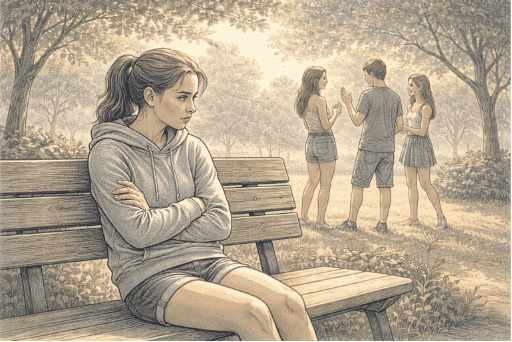
Recurring, unexplained marks on areas like the arms or thighs, paired with vague explanations, are among the most recognizable physical signs of teen self-harm.
3. Withdrawal from Friends and Activities
Teens who self-harm often begin pulling away from their social circles and extracurricular activities. They may stop hanging out with friends, quit sports or clubs they used to enjoy, or spend increasing amounts of time alone in their room. This withdrawal can stem from shame, fear of being discovered, or deepening emotional distress.
Social isolation among teens is concerning in its own right, as healthy peer connections are a critical part of adolescent development. If your teen is becoming more reclusive and you’re also noticing other signs on this list, the withdrawal may be linked to self-harm or an underlying mental health condition like depression, anxiety, or unresolved trauma.
4. Increased Emotional Volatility
While mood swings are a normal part of teenage life, a sharp increase in emotional intensity or unpredictability can signal something deeper. Teens who self-harm may display sudden outbursts of anger, prolonged sadness, feelings of worthlessness, or expressions of hopelessness. They might seem emotionally flat one moment and overwhelmed the next.
These emotional shifts often reflect the internal turmoil that drives self-harm. Self-harm frequently serves as a release valve for emotions that feel too big to manage. If your teen’s emotional responses seem disproportionate to the situation or have changed dramatically over a short period, it’s worth having a compassionate conversation about what they’re experiencing.
5. Hiding Sharp Objects or First-Aid Supplies
Finding razors, blades, lighters, or first-aid items like bandages and antiseptics hidden in your teen’s room or belongings can be a direct sign of self-harm. Some teens also begin carrying these items in their bags or pockets. While there may be innocent explanations, the deliberate concealment of these objects is a red flag that should not be ignored.
If you discover these items, resist the urge to confront your teen in an accusatory way. Instead, let them know that you found the items and that you’re concerned about their safety. Framing the conversation around care rather than punishment makes it far more likely that your teen will engage honestly.
How Can Parents Respond to Teen Self-Harm?
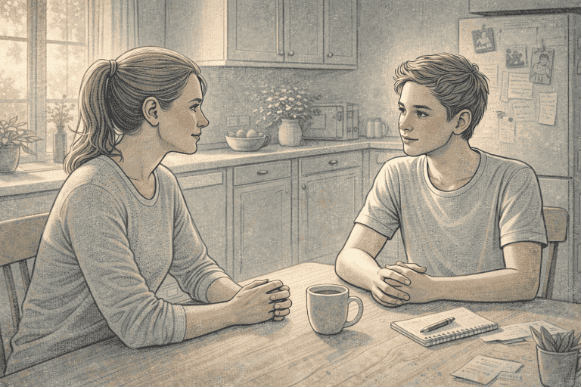
Responding with calm empathy and connecting your teen with evidence-based therapies like CBT, DBT, or EMDR gives them healthier tools to manage the emotions driving self-harm.
Discovering that your teen may be harming themselves can be overwhelming, but how you respond matters enormously. The most important step is to approach the situation with calm and empathy. Avoid reacting with anger, panic, or blame, as these responses can reinforce the shame your teen already feels and make them less likely to seek help.
Start by creating a safe space for conversation. Let your teen know you’ve noticed changes and that you’re there for them without judgment. You don’t need to have all the answers; simply listening and validating their feelings can be a powerful first step. Avoid minimizing their pain or telling them to “just stop,” as self-harm is a coping mechanism rooted in deeper emotional struggles.
Professional support is often essential in these situations. Evidence-based therapies like Cognitive Behavioral Therapy (CBT) and Dialectical Behavior Therapy (DBT) have shown strong results in helping teens develop healthier coping strategies.
Eye Movement Desensitization and Reprocessing (EMDR) can also be effective, particularly if the self-harm is connected to trauma. These therapeutic approaches help teens process their emotions and build resilience without relying on medication alone, though some teens may benefit from a combined approach depending on the complexity of their mental health needs.
Outpatient therapy programs offer a flexible path for families seeking clinical support while allowing teens to remain at home and continue their daily routines. For teens who need a higher level of care, residential programs provide round-the-clock support in a structured, therapeutic environment.
How Mission Prep Supports Teens Struggling with Self-Harm

Mission Prep’s residential and outpatient programs provide teens aged 12–17 with structured, evidence-based care in a supportive, home-like environment designed for lasting recovery.
Addressing self-harm requires a compassionate environment where adolescents feel safe and understood. Effective treatment focuses on building healthy coping mechanisms through evidence-based clinical practices. Professional support creates the stability needed for families to manage these complex emotional challenges together.
Mission Prep Healthcare delivers specialized residential and outpatient care designed for the unique needs of adolescents. Our therapeutic approach recognizes that teenagers face specific developmental challenges, ensuring that every aspect of treatment reflects that reality.
We offer evidence-based therapies including CBT, DBT, EMDR, and TMS, each tailored to meet the specific needs of the individual teen. These programs integrate family therapy and academic assistance to maintain student progress during the healing process. Our goal at Mission Prep is to help teens build healthier coping skills, regain confidence, and move forward with a stronger foundation for their mental health.
Frequently Asked Questions (FAQs)
Why do teens engage in self-harm?
Teens often self-harm as a way to cope with overwhelming emotions like sadness, anger, or anxiety. It typically serves as a temporary release rather than a desire to cause lasting damage, but it signals a need for professional support.
Should I remove sharp objects from my teen’s room?
Removing immediate access to harmful tools can be a reasonable safety step. However, it’s important to pair this with open conversation and professional guidance, as simply removing objects doesn’t address the underlying emotional struggles.
Can self-harm be treated without medication?
Yes. Therapies like CBT, DBT, and EMDR are highly effective at addressing the emotional root causes of self-harm. In some cases, a therapist may recommend pairing therapy with medication for more complex mental health conditions.
How do I talk to my teen about self-harm without making things worse?
Approach the conversation calmly, without judgment or accusation. Let your teen know you care and are ready to listen. Avoid demanding they stop immediately; instead, focus on understanding their experience and connecting them with support.
What makes Mission Prep different for treating teen self-harm?
At Mission Prep, we focus exclusively on teens aged 12–17, with therapies like CBT, DBT, EMDR, and TMS delivered in structured, home-like settings. Our family-centered model and integrated academic support ensure teens heal without falling behind in life.