
Key Takeaways
- Teen abuse rarely announces itself; the warning signs usually look like ordinary adolescent moodiness, which is why so many adults miss them until the harm has escalated.
- Unexplained bruises, sudden behavioral shifts, and pulling away from friends or family are three of the clearest early signals, and waiting for a second or third sign before acting gives the abuse more time to continue.
- Trauma-focused care, starting with a licensed adolescent therapist or a program like Mission Prep Healthcare, is the right response once a pattern appears, because family support alone is rarely enough to resolve the effects of ongoing abuse.
- Teens who receive early, evidence-based trauma therapy show meaningfully lower rates of long-term anxiety, depression, and post-traumatic stress than those whose symptoms are dismissed as a phase.
- Mission Prep Healthcare offers trauma-focused treatment for teens aged 12 to 17 using CBT, DBT, and EMDR across residential, outpatient, and virtual programs.
Recognizing the Signs of Abuse in Teens
The most common warning signs that a teenager is being abused are unexplained physical injuries, sudden behavioral changes, withdrawal from friends and activities, emotional dysregulation, and visible fear or anxiety around specific people or places. These signs can appear in any combination and across all forms of abuse, including physical, emotional, psychological, and sexual.
Each warning sign shows up differently depending on the teen, the type of abuse, and how long it has been happening. Some are visible on the body. Others surface in a teen’s relationships, school performance, or emotional responses. The sections below break down what each sign looks like in practice and what steps to take when you spot them.
5 Warning Signs a Teenager May Be Being Abused
1. Unexplained Physical Injuries
Bruises, cuts, burns, or other visible marks that a teen cannot clearly explain are a serious red flag. These injuries often appear in locations typically covered by clothing, such as the torso, upper arms, or thighs. A teenager who flinches at physical contact or becomes defensive and evasive when asked about an injury warrants a closer look.
Physical abuse does not always leave obvious external marks. Recurring complaints of headaches, stomachaches, or physical pain with no clear medical cause can also point to ongoing harm. If a teen makes frequent visits to the school nurse or appears to be in physical discomfort without explanation, take note of the pattern.
The way a teen explains visible injuries also matters. Vague, inconsistent, or rehearsed-sounding explanations, particularly ones that change over time, are cause for concern. A teen who grows silent, anxious, or upset when asked direct questions about injuries is communicating something, even without saying a word.
2. Sudden Behavioral Changes
A teenager who was once engaged, social, or high-functioning but quickly becomes withdrawn, aggressive, or defiant may be reacting to something serious happening in their life. Behavioral shifts that appear suddenly and persist over weeks or months, without a clear trigger, deserve attention from the adults around them.
Abuse disrupts a young person’s sense of safety, and that disruption surfaces in daily behavior. Watch for a sharp increase in irritability, sleep disruptions, unexplained changes in appetite, a loss of interest in previously valued activities, or signs of hypervigilance such as being easily startled or overreactive to minor events.
These changes are not always dramatic. A teen may simply seem quieter, less motivated, or emotionally flat compared to their usual self. Even subtle but consistent shifts in personality or mood are worth a conversation rather than being written off as a phase.
3. Withdrawal from Friends, Family, or Activities
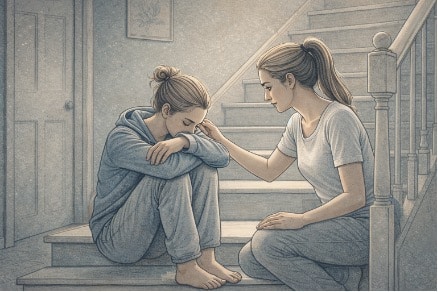
Teens who are being abused often pull back from the people and things that once mattered to them. They may quit a sports team, stop responding to close friends, or consistently avoid family gatherings without explanation. This withdrawal tends to happen gradually, making it easy to overlook until the isolation becomes significant.
Withdrawal can stem from shame or fear. In other cases, an abuser deliberately isolates the teenager to cut off potential sources of support or disclosure. If a teen seems to be pulling back from multiple areas of their social life simultaneously and cannot or will not explain why, that pattern is worth addressing directly.
Isolation compounds the effects of abuse by removing the teen from the people most likely to help them. Staying present in a calm and non-pressuring way can create an opening for the teen to eventually speak up.
4. Emotional Dysregulation and Trauma Responses
Ongoing abuse places a significant amount of stress on a teenager’s emotional system. Teens experiencing abuse may cry frequently without a clear reason, overreact to minor frustrations, or swing between emotional extremes. These are not personality quirks or bids for attention. They are responses from a nervous system under sustained threat.
Other trauma responses to watch for include persistent sadness, expressions of worthlessness or hopelessness, and statements that suggest the teen feels like a burden. Self-harm behaviors can also emerge as a coping mechanism when a teen has no other outlet for their pain. These signs are serious and require professional attention, not disciplinary responses.
Emotional and psychological abuse can be harder to detect than physical abuse because there are no visible injuries. A teen who consistently describes themselves in deeply negative terms, avoids any discussion of how they feel, or appears emotionally numb is showing signs that deserve a thoughtful response.
5. Fear or Anxiety Around Specific People or Places
Pay close attention if a teenager consistently shows fear, discomfort, or resistance around a specific adult, peer, or location. This may show up as visible anxiety before visiting a particular person, consistent reluctance to return home, or a noticeable shift in demeanor in specific environments. These behavioral cues are often the clearest signal that something is wrong in a particular relationship.
A teen who was previously comfortable with someone but now appears tense, avoidant, or fearful around them is showing a meaningful warning sign. Abuse frequently occurs within relationships where the teen feels powerless to speak directly about what is happening, so behavior becomes the primary form of communication.
Even if the teen denies that anything is wrong, repeated and consistent patterns of fear or avoidance around specific people or places should be taken seriously. Dismissing these patterns because the teen says they are fine can delay intervention by weeks or months.
What to Do When You Notice These Signs

If you recognize one or more of these warning signs in a teenager, act quickly. Contact local child protective services, speak with the teen’s school counselor, or consult a licensed mental health professional who works with adolescents. You do not need confirmed proof to initiate a report or seek professional guidance.
Avoid confronting the suspected abuser directly, as this can increase risk to the teenager. Instead, focus on being a calm, consistent, and trustworthy presence in the teen’s life. Let them know they are believed, that they are not in trouble, and that getting help is not a punishment.
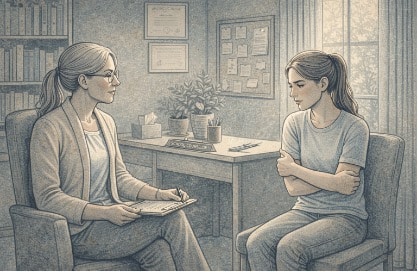
Trying to manage a teenager’s trauma response without clinical support has real limitations. While family presence and communication are valuable, they are rarely enough on their own when abuse has occurred. Outpatient therapy is a practical and accessible starting point for many families, allowing teens to receive structured professional care while remaining in their home environment. Therapeutic approaches like CBT, DBT, and EMDR are effective for processing trauma and rebuilding emotional stability and do not always require medication to produce meaningful results.
Warning Signs at a Glance
| Warning Sign | What It May Look Like | What It May Indicate |
| Unexplained Physical Injuries | Bruises, flinching, vague or changing explanations | Physical abuse or chronic stress response |
| Sudden Behavioral Changes | Aggression, withdrawal, sleep disruption | Disrupted sense of safety and trust |
| Withdrawal from People/Activities | Quitting hobbies, avoiding close relationships | Shame, fear, or deliberate isolation by abuser |
| Emotional Dysregulation | Extreme reactions, self-harm, expressions of hopelessness | Nervous system response to sustained trauma |
| Fear Around Specific People/Places | Avoidance, anxiety before visits, tense demeanor | Abuse occurring within that relationship or setting |
Getting a Teen the Right Support After Abuse

Recognizing the signs of abuse in a teenager is only the first step; what matters most is what happens next. Calm adult presence, a report to the right authority, and a connection to a licensed adolescent therapist are the practical actions that move a teen from exposure toward recovery.
Mission Prep Healthcare provides trauma-focused care built specifically for adolescents aged 12 to 17, using CBT, DBT, and EMDR across residential, outpatient, and virtual programs in California, Minnesota, and Virginia. Family therapy and academic coordination run through every stage of care, so teens can heal without losing ground at school or at home.
Frequently Asked Questions (FAQs)
What should I do if I suspect a teenager is being abused?
Contact your local child protective services or speak with a school counselor as soon as possible. You do not need confirmed proof to make a report or seek guidance. Acting early can prevent further harm and connect the teenager with the professional support they need to begin healing safely.
Can abuse affect a teenager’s mental health over the long term?
Yes. Abuse during adolescence can contribute to anxiety, depression, post-traumatic stress, and ongoing difficulties with trust and relationships well into adulthood. Early professional intervention through evidence-based therapy reduces the risk of long-term psychological impact and gives teens practical tools for rebuilding emotional resilience.
How can I help a teenager feel safe enough to open up about abuse?
Keep the conversation calm, direct, and free of pressure. Avoid reacting with alarm or pushing for details too quickly, as this can cause a teen to shut down. Let them know they are safe, believed, and not at fault. A licensed therapist with experience in adolescent trauma can help facilitate disclosure in a structured, supportive setting.
Are the signs of abuse always easy to identify in teenagers?
No. Many signs of abuse closely resemble typical teen behavior, and psychological or emotional abuse is especially difficult to detect because there are no physical injuries to observe. Persistent patterns over time, such as consistent avoidance of a specific person or ongoing emotional dysregulation, are more telling than isolated incidents.
What makes Mission Prep Healthcare a strong option for teens who have experienced abuse?
At Mission Prep Healthcare, all care is designed exclusively for adolescents aged 12 to 17. We offer trauma-focused therapies including EMDR, DBT, and CBT, keep families involved throughout the treatment process, and provide academic coordination so teens do not fall behind educationally while in care. Our residential and outpatient programs in California, Minnesota, and Virginia give families access to the level of support that fits their teen’s specific needs.