

Key Takeaways
- Enmeshment blurs boundaries, creating emotional dependence that limits independence and strains relationships, while healthy closeness supports growth and autonomy.
- Sons in enmeshed relationships often feel responsible for their mother’s emotional well-being, making it difficult to form an independent identity or maintain romantic and social connections.
- Guilt and manipulation are commonly used to control behavior, making independence feel like betrayal and reinforcing unhealthy patterns.
- Breaking free requires courage, patience, and consistent boundary-setting; small steps, clear communication, and professional support help transform the environment while maintaining authentic connection.
- At Mission Prep Teen Treatment, we provide holistic, family-focused mental health programs for teens, combining evidence-based therapies, tailored support, and skill-building to foster independence, resilience, and sustainable growth for both adolescents and their families.
Mother-Son Enmeshment: When Closeness Becomes Unhealthy
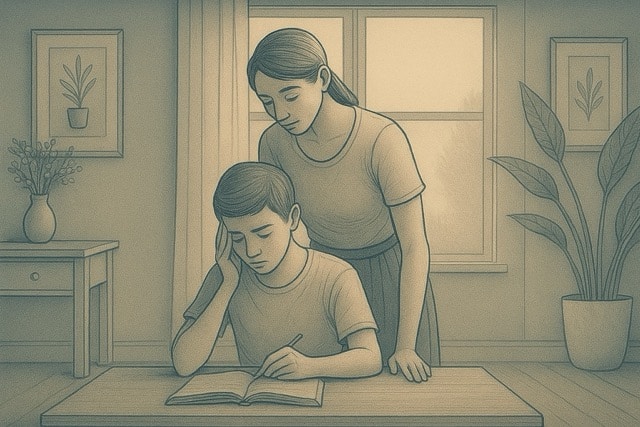
A healthy mother–son relationship offers love, security, and support while encouraging independence. Enmeshment, however, blurs boundaries and creates an emotional dependence that limits healthy development and strains future relationships.
Enmeshment isn’t simply being close. It’s when closeness becomes restrictive—when identities overlap so much that either person struggles to function independently without guilt, anxiety, or conflict.
What Is Enmeshment?
Enmeshment is a pattern where emotional boundaries are unclear or missing. In a mother–son relationship, the mother may rely on her son for emotional support, typically provided by adult peers or partners. The son often feels responsible for her emotional well-being, making it difficult to form his own identity or prioritise his own needs.
Unlike secure attachment, which balances connection and autonomy, enmeshment creates emotional fusion. A mother may overshare, treat her son like a surrogate partner, or respond with distress when he moves toward independence. The son may feel obligated to manage her emotions, often at the expense of friendships, goals, or romantic relationships.
Healthy Bond vs. Enmeshed Relationship
In healthy relationships, mothers support autonomy and celebrate growth. In enmeshed ones, independence is discouraged and life milestones may be seen as abandonment. A healthy bond allows space; enmeshment restricts it.
6 Signs of Mother-Son Enmeshment
Enmeshment occurs when a mother and son’s emotional connection becomes overly intertwined, blurring boundaries and limiting independence. While closeness and support are natural in parent-child relationships, enmeshment can interfere with healthy emotional development and adult relationships.
1. Boundaries Don’t Exist Between Mother and Son
The hallmark of mother-son enmeshment is a lack of boundaries. In healthy relationships, boundaries allow personal space, autonomy, and respect. In enmeshed relationships, boundaries are unclear or absent, leaving sons confused about privacy, independence, and identity.
Privacy Is Often Violated
Mothers may monitor phones, read diaries, or demand access to personal communications well into adulthood. Sons may feel guilt when attempting to assert privacy, as the concept of personal space is foreign. These violations often normalize the idea that emotional and informational boundaries are unnecessary.

Overinvolvement can make normal life choices feel like betrayal.
Physical Boundaries Are Consistently Crossed
Inappropriate physical closeness, entering private spaces without permission or maintaining overly intimate contact, confuses sons about normal physical boundaries in other relationships. This can lead to discomfort or misunderstandings in adult friendships and romantic partnerships.
Personal Information Is Overshared
Mothers may share sons’ private details with others while expecting full transparency from them. Sons often feel exposed and vulnerable, learning that privacy is unacceptable. Over time, this pattern fosters shame and anxiety about keeping personal matters private.
2. Mom Is the Primary Emotional Support—Even Above Partners
In enmeshed relationships, the mother remains the son’s main emotional support, even in adulthood, often interfering with romantic partnerships.
He Calls Mom First With Every Problem
Sons habitually consult their mothers before partners, creating a triangular pattern where partners feel sidelined. This automatic reliance can prevent the son from developing emotional independence and decision-making skills.
Major Life Decisions Require Her Approval
Career, relocation, or marriage decisions are often delayed or abandoned without maternal consent. The mother’s influence can overshadow partners’ input, creating tension and dependency.
Partners Feel Like They’re Competing For Attention
Romantic partners often feel they are in constant competition, leading to stress and short-lived relationships. Sons may feel torn between loyalty to their mother and commitment to their partners, causing ongoing emotional strain.
3. The Son Acts Like Mom’s Emotional Partner
Role reversal occurs when sons provide emotional support meant for adult peers, creating psychological strain.
He Takes On Adult Responsibilities Too Young
Sons may manage household tasks, mediate conflicts, or provide emotional care prematurely, losing typical childhood experiences. This parentification can leave lasting challenges in handling adult responsibilities and relationships.
Mom Shares Inappropriate Details About Her Life
Mothers may discuss adult issues like dating or marital problems, overburdening their sons emotionally. Sons may struggle with boundaries and learn unhealthy patterns of emotional closeness.
The Son Feels Responsible For Mom’s Happiness
He prioritizes her emotional needs above his own, experiences guilt when pursuing independence, and feels trapped in an impossible duty. This often leads to anxiety, depression, and difficulties forming healthy adult relationships.
4. Guilt Is Used to Control Behavior
Guilt is a key tool in maintaining enmeshment, making independence feel like betrayal.
Mom’s Health “Suffers” When Son Makes Independent Choices
Physical or emotional symptoms may appear when he asserts autonomy, teaching him that independence harms her. Sons may cancel plans or avoid opportunities to protect their mothers’ perceived well-being.
Statements Like “After All I’ve Done For You” Are Common
Sacrifice narratives create unpayable emotional debt, pressuring sons into lifelong compliance and reinforcing feelings of obligation.
The Son Feels Crushing Guilt When Setting Boundaries
Even normal acts of independence, moving away, holiday plans, or personal decisions, trigger anxiety and guilt, often leading to appeasement and self-sacrifice. This conditioning makes it difficult to form fully autonomous adult identities.
5. Independence Is Discouraged or Punished
Enmeshed mothers see their sons’ autonomy as rejection, punishing normal developmental separation.
Mom Interferes With His Relationships
She criticizes or sabotages romantic partners, intrudes on private moments, or demands constant attention, undermining healthy partnerships. Sons may learn to avoid conflict by limiting closeness with partners.
Life Milestones Are Treated As Betrayals
Career moves, marriage, or relocation provoke anger, depression, or subtle sabotage, making normal growth feel dangerous. Sons often downplay excitement about opportunities to avoid conflict.
She Undermines His Confidence To Make Him Dependent
Repeated questioning of decisions and practical interference reinforces dependence and discourages independent action. Sons may internalize self-doubt, relying on maternal guidance for even minor choices.
6. Outside Relationships Are Seen As Threats
Other relationships are viewed as competition, limiting sons’ social development and emotional growth.
Partners Are Criticized Or Undermined
Mothers find faults in partners, create conflict, and destabilize relationships to maintain primacy. Sons often struggle to reconcile loyalty to their mother with loyalty to their partner.
Mom Creates Conflicts That Force Him To Choose
Events, health concerns, or hurt feelings pressure sons to prioritize her, forcing impossible loyalty tests. Sons may respond by dividing attention or avoiding conflict, harming relationships with both mother and partner.
Friendships That Take Time Away From Mom Are Discouraged
Close friendships or work relationships may trigger jealousy or interference, leaving sons socially isolated and dependent on their mother. This isolation reinforces the enmeshment and limits opportunities to learn healthy boundaries and social skills.
Breaking Free From Mother-Son Enmeshment

Family therapy helps each member understand their role and move toward healthier interaction.
Breaking free from enmeshment requires courage, persistence, and often professional support. The goal isn’t to reject your mother but to transform an unhealthy relationship into one that allows love, support, and independence for both of you. Change can be uncomfortable, but it ultimately strengthens the relationship.
Keep in mind:
- Change may feel uncomfortable before improvement occurs.
- Guilt is expected, but it doesn’t mean you’re doing something wrong.
- Your mother’s initial reaction may be negative or resistant.
- Recovery is gradual, not overnight.
- Healthy boundaries ultimately improve relationships.
Recovery isn’t about creating distance; it’s about establishing healthy closeness. While the transition may feel painful, setting boundaries often reduces resentment and creates an authentic connection for both mother and son.
Recognizing The Pattern Is The First Step
Awareness is always the starting point. Recognizing enmeshment in your relationship can be a profound relief, providing clarity that your uncomfortable feelings are not disloyalty or ingratitude. This recognition creates the mental space to find healthier patterns and allows sons to seek support without the crushing guilt that often accompanies attempts at independence. Understanding the dynamic is the foundation for meaningful change.
Therapy Can Help Both Mother And Son
Professional support is often essential when addressing entrenched enmeshment. Individual therapy can help sons learn the roots of the issue, build self-confidence, and develop strategies for setting boundaries while managing guilt. Family therapy can also be valuable if both mother and son are willing to work on the relationship, helping each party understand their role and shift patterns toward healthier interaction. Even without full participation from both sides, therapy equips sons with tools to gradually assert autonomy and improve the relationship over time.
Setting Healthy Boundaries Takes Practice
Creating boundaries after years of enmeshment is challenging and requires patience. It’s best to begin with smaller steps, such as not answering every call immediately or choosing what personal information to share. Over time, these small acts of independence build confidence to address larger issues. Effective boundaries involve clear, consistent communication without excessive explanation or apology. Statements like “I’ll need to discuss that with my partner before deciding” establish limits while remaining respectful.
Resistance is to be expected. When boundaries are crossed, calmly restate your position without entering arguments or justifying your choices. Progress may be uneven, and old patterns may re-emerge during stressful periods, but these moments are opportunities to reinforce the new, healthier relationship. Celebrating small victories along the way helps maintain motivation and perspective.
Partners Can Support Without Criticizing
Partners of men in enmeshed relationships can play a supportive role without creating conflict. The most helpful approach is validation rather than criticism. A simple acknowledgment, such as noticing stress or frustration, helps the son feel understood without triggering defensiveness. Change must come from the son’s own recognition and effort; supportive partners provide encouragement and reassurance without trying to force confrontation or independence prematurely.
Mission Prep: Comprehensive Teen Mental Health Support
At Mission Prep, we provide specialized care for adolescents facing mental health challenges, offering programs designed to create lasting growth and wellbeing for both teens and their families.

Our multidisciplinary team collaborates closely to ensure each client’s treatment plan reflects their unique needs and goals.
Holistic, Family-Focused Care
We believe that successful treatment involves the entire family. Our team works closely with parents and guardians, helping them support their teen’s emotional, social, and academic development while fostering independence and resilience.
Tailored Programs for Every Need
Our residential, outpatient, and telehealth programs are personalized to meet each teen’s unique needs. We guide therapy, academic support, life skills development, and transition planning to ensure sustainable, long-term success.
Evidence-Based and Innovative Approaches
We combine time-tested therapeutic methods with innovative interventions to address anxiety, depression, trauma, mood disorders, technology dependence, and social or academic challenges, creating a safe and supportive environment for growth and healing.
Building Skills for Lifelong Success
We equip teens with coping skills, self-efficacy, and resilience that extend beyond treatment. Our focus is on sustainable recovery, helping adolescents thrive independently while maintaining meaningful family connections.
Frequently Asked Questions (FAQs)
Can mother-son enmeshment happen in any family?
Yes, enmeshment can develop in any family regardless of culture, income, or structure. Risk factors include single motherhood or maternal trauma, but even seemingly ideal families can experience it. True enmeshment limits independence, not just closeness.
How does enmeshment affect the son’s romantic relationships?
Enmeshment complicates romantic bonds. Sons struggle to prioritize partners, set boundaries, or commit fully. Partners often feel sidelined or like outsiders, creating tension, mistrust, and potential relationship failure unless enmeshed patterns are recognized and addressed.
Is mother-son enmeshment the mother’s fault?
Enmeshment rarely stems from intentional manipulation. It usually arises from unresolved maternal trauma, past family patterns, or attempts at closeness. Mothers often repeat behaviors learned in their own upbringing, believing this level of closeness is loving.
What’s the difference between a close relationship and enmeshment?
Healthy closeness encourages independence, personal growth, and boundaries. Enmeshment restricts autonomy, blurs identities, and fosters emotional dependence. The distinction is whether the relationship enhances each person’s ability to develop separate interests, friendships, and life paths.
Can an enmeshed relationship be fixed while maintaining a healthy bond?
Yes, with commitment, support, and guidance, enmeshed relationships can evolve into healthy, balanced bonds. Programs like those at Mission Prep provide professional tools and strategies to help teens and families set clear boundaries, build mutual respect, and foster authentic connection, creating lasting, positive change for everyone involved.








