


Key Takeaways
- Avoidant/Restrictive Food Intake Disorder (ARFID) is a severe eating disorder distinct from picky eating that can cause significant physical and emotional distress in teenagers.
- Physical signs include unexplained weight loss, growth stunting, nutritional deficiencies, and persistent digestive problems.
- Behavioral indicators such as extreme food avoidance, ritualistic eating habits, and social withdrawal around mealtimes are key warning signs.
- Early intervention with specialized treatment approaches can significantly improve outcomes for teens struggling with ARFID.
- Mission Prep Healthcare offers specialized adolescent mental health treatment, including residential, outpatient, and telehealth programs, designed to help teens and families address complex conditions like ARFID through evidence-based, family-focused care.
What Is ARFID & How Does It Affect Your Life?
ARFID stands for Avoidant/Restrictive Food Intake Disorder, a condition characterized by extreme limitations in food consumption not related to body image concerns.
Unlike other eating disorders, ARFID isn’t about weight or appearance. Instead, teens with ARFID restrict their eating due to sensory sensitivities, fear of negative consequences from eating (like choking or vomiting), or a general lack of interest in food or eating.
ARFID vs. Typical Picky Eating
Most teenagers have experienced phases of selective eating. However, ARFID represents a much more serious condition that extends beyond normal food preferences. While picky eating is common and typically doesn’t interfere with daily functioning, ARFID causes significant distress and impairment in various areas of life. Some core differences include:
- Picky eating usually improves with age; ARFID tends to persist or worsen without treatment.
- Picky eaters may avoid certain foods but maintain adequate nutrition; ARFID often leads to nutritional deficiencies.
- Typical selective eating rarely causes anxiety; teens with ARFID experience intense distress around food.
- Picky eating doesn’t typically affect growth or development; ARFID frequently does.
- Selective eaters can usually eat in social situations; teens with ARFID often cannot eat around others.
ARFID vs. Other Eating Disorders
ARFID stands apart from better-known eating disorders like anorexia nervosa or bulimia nervosa in several essential ways. The most significant difference is that ARFID doesn’t involve concerns about body weight, shape, or size.
Teens with ARFID aren’t restricting food intake to lose weight or change their appearance. Instead, their avoidance stems from sensory issues, anxiety about potential negative consequences, or a general lack of interest in eating.
This distinction is crucial for proper diagnosis and treatment. Traditional eating disorder approaches that focus on body image and weight restoration may be ineffective or even counterproductive for teens with ARFID. Understanding the unique nature of ARFID helps ensure teens receive appropriate, specialized care that addresses their specific challenges with food and eating.
Physical Signs of ARFID You Might Notice
1. Unexpected Weight Loss or Growth Issues
One of the most concerning physical signs of ARFID in teenagers is unexpected weight loss or failure to maintain expected growth trajectories. While teens naturally experience growth spurts and changes in body composition, consistent weight loss or plateaued growth that deviates from their established patterns warrants attention.
Medical professionals typically track these changes using growth charts, in which teens with ARFID may drop off the growth curve or show flattened growth lines over time.
2. Constant Stomach Problems Around Meals
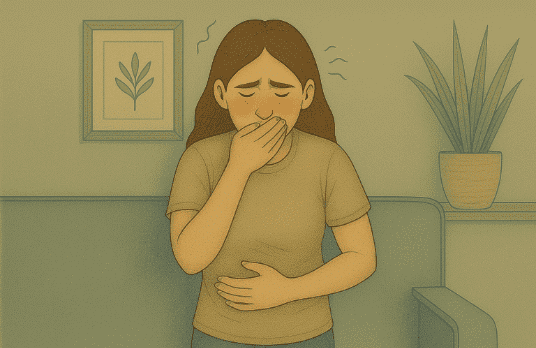
Gastrointestinal symptoms frequently accompany ARFID, creating a complicated cycle that reinforces food avoidance.
Teens may experience bloating, stomach pain, nausea, or constipation that seems to worsen around mealtimes. These symptoms can both cause and result from restricted eating patterns.
The relationship between the gut and psychological health (the gut-brain axis) plays a significant role in ARFID. Anxiety about eating triggers digestive distress, which then validates the teen’s fears about food, creating a self-perpetuating cycle that’s difficult to break without professional intervention.
3. Always Feeling Cold or Tired
Inadequate caloric intake directly impacts energy levels and thermoregulation. Teens with ARFID often report persistent fatigue, difficulty concentrating, and feeling cold even in comfortable environments. Their bodies, lacking sufficient fuel, begin to conserve energy by reducing non-essential functions.
This energy conservation can manifest as decreased physical stamina, academic performance issues, or withdrawal from previously enjoyed activities.
Behavioral Signs That Could Point to ARFID
4. Avoiding Meals With Friends or Family

Social isolation around mealtimes represents one of the most common behavioral signs of ARFID in teenagers.
A teen who previously enjoyed family dinners might suddenly develop excuses to eat alone or skip meals altogether. You might claim you’ve “already eaten” or will “eat later,” creating elaborate strategies to avoid others noticing your restricted eating patterns.
This avoidance extends to social situations outside the home. Teens with ARFID often decline invitations to restaurants, parties, or sleepovers where they’ll be expected to eat unfamiliar foods. Some might develop anxiety about school lunches, skipping lunch entirely, or finding isolated places to eat their limited selection of “safe” foods.
Over time, this pattern of avoidance can lead to broader social withdrawal and missed developmental opportunities for social connection.
5. Eating the Same Few Foods Over & Over
Dietary monotony stands as a hallmark behavioral sign of ARFID. Teens may limit themselves to as few as 5–10 “safe” foods, often with particular brands or preparation methods.
These safe foods typically share common characteristics – they might all be bland, soft-textured, or simple carbohydrates like pasta, bread, or certain cereals.
What distinguishes this from typical picky eating is the level of distress experienced when safe foods aren’t available. A teen with ARFID might choose not to eat at all rather than consume something outside their safe food list, even when genuinely hungry.
6. Creating Rules Around How Food Must Look or Feel
Rigid rules and rituals around food represent another significant behavioral marker of ARFID. You may have specific requirements for food temperature, texture, color, or the arrangement of foods on the plate.
These aren’t preferences but necessities; if these conditions aren’t met, then you genuinely cannot bring yourself to eat the food, even when you recognize the rules as irrational.
Psychological Warning Signs of ARFID
7. Fear of Choking or Getting Sick From Food
For many teens with ARFID, specific fears drive their food avoidance. Common concerns include choking, vomiting, allergic reactions, or contamination.
These fears aren’t simply preferences but genuine phobias that trigger intense anxiety responses. When asked to consume feared foods, teens may experience physical panic symptoms, including a racing heart, sweating, nausea, or even panic attacks.
Unlike typical childhood fears that diminish with age and experience, ARFID-related food fears tend to strengthen over time through avoidance. Each time you avoid the feared food, you experience temporary anxiety relief, which reinforces the avoidance behavior through negative reinforcement.
8. No Interest in Eating or Food in General

Another psychological presentation of ARFID involves a profound lack of interest in food or eating.
Unlike fear-based ARFID, these teens don’t experience anxiety around food but simply derive no pleasure or satisfaction from eating. You rarely feel hungry, forget to eat, and view mealtimes as inconvenient obligations rather than enjoyable experiences.
This presentation is sometimes described as “low appetite ARFID” and can be particularly challenging for teenagers to recognize, as it lacks the obvious anxiety signs seen in other forms.
9. Anxiety That Spikes at Mealtimes
The anticipatory anxiety surrounding mealtimes represents another key psychological indicator of ARFID. Hours before eating situations, teens may begin experiencing escalating worry, irritability, or somatic complaints like headaches or stomachaches.
This anxiety typically peaks when food is presented and can manifest as emotional distress, rigidity, oppositional behavior, or even complete shutdown. You might become a different person around mealtimes, with personality changes that resolve once the eating situation concludes or is avoided.
Talking to Your Parents About Food Struggles
Opening up about food struggles can feel overwhelming, especially when you’re not sure how to explain what you’re experiencing. Start by choosing a calm moment when neither you nor your parents are stressed or hungry. Try writing down your thoughts beforehand if speaking directly feels too difficult—sometimes putting your feelings on paper makes them clearer.
Focus on how food makes you feel rather than just what you can’t eat. Instead of saying “I hate vegetables,” try explaining, “When I try to eat certain textures, I feel like I might gag or choke.” This helps parents understand this isn’t about preferences but genuine distress.
Remember, your parents want to help, even if they don’t immediately understand what you’re going through. Don’t hesitate to share specific situations that have been difficult, like school lunches or family dinners, and how they’ve affected you emotionally.
If direct conversations seem too tricky, consider sharing articles about ARFID with your parents or asking a trusted school counselor, teacher, or family doctor to help facilitate the conversation. Sometimes, having a neutral third party can make these discussions easier and more productive for everyone involved.
Get Help for ARFID at Mission Prep
At Mission Prep, we understand that ARFID affects the entire family system, not just teens. Our comprehensive adolescent mental health programs are designed to address complex ARFID presentations through evidence-based therapeutic approaches delivered by experienced, compassionate professionals.

Our home-like facilities provide a safe, welcoming environment where teens can develop the coping skills necessary for sustainable healing.
Whether you need the structured support of our residential program, the flexibility of outpatient treatment, or the convenience of telehealth services, we create personalized care plans tailored to your unique needs.
Don’t wait for ARFID symptoms to worsen. Contact Mission Prep today to learn how we can help you and your family find the fresh start you deserve.
Frequently Asked Questions (FAQs)
Is ARFID just extreme picky eating?
No, ARFID is fundamentally different in severity and impact. While picky eating rarely interferes with daily functioning and typically improves with age, ARFID causes genuine psychological distress, physical symptoms like gagging or panic, and significant impairment across multiple areas of life that persists without professional treatment.
How long does ARFID treatment usually take?
Treatment duration varies based on severity and individual response. Some teens see significant improvement within 3–6 months, while others need support for a year or longer. Recovery follows milestone-based goals rather than strict timelines, focusing on nutritional stability, expanding food variety, and reducing anxiety around eating.
Will I need to be hospitalized for ARFID?
Most teens with ARFID are effectively treated in outpatient settings. Hospitalization is typically reserved for medically unstable cases with severe nutritional deficiencies or rapid health decline. Treatment intensity is adjusted based on your specific needs, and you can transition to less intensive care as you stabilize.
Does Mission Prep treat teens with eating disorders like ARFID?
Yes, Mission Prep provides comprehensive adolescent mental health treatment through residential, outpatient, and telehealth programs. Our family-focused approach addresses the underlying psychological factors contributing to eating disorders while equipping teens with sustainable coping skills and providing families with the support they need throughout recovery.