

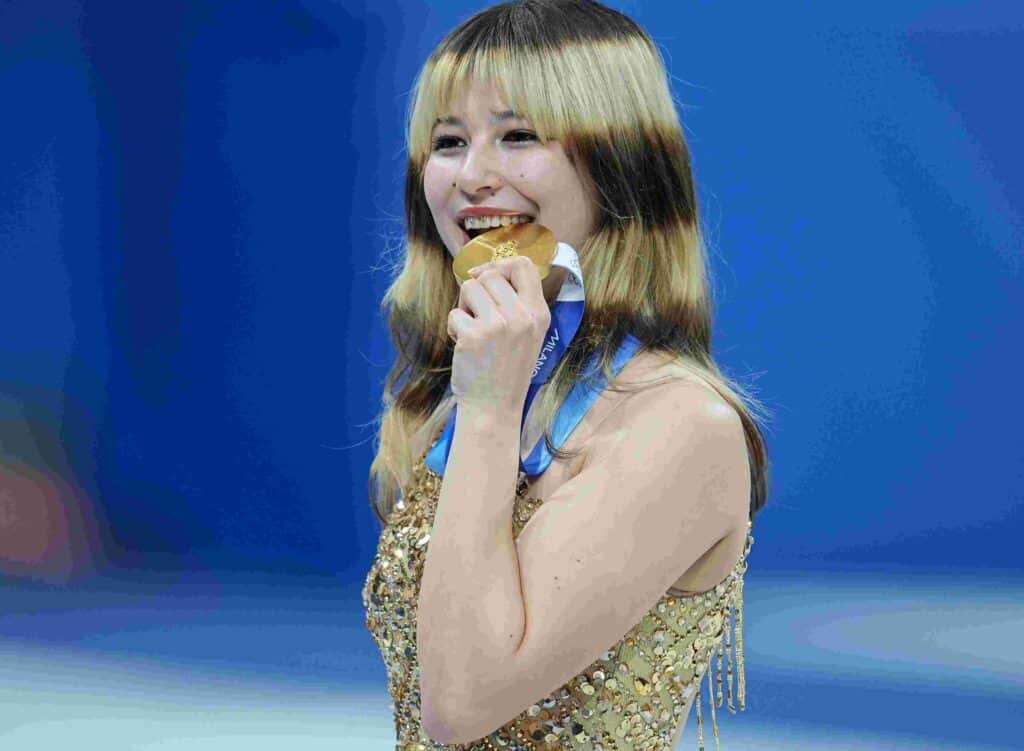
When Alysa Liu stepped onto Olympic ice and won gold, it was more than a personal victory. She won Team USA’s first women’s figure skating Olympic gold in 24 years. That is history.
But what made the moment even more powerful was not just the medal. It was the way she did it.
She looked like herself. She looked grounded. She looked like she was enjoying the experience instead of being crushed by it.
In a world where teens are constantly told to polish, filter, shrink, and perfect themselves, Alysa’s presence felt different. It felt real.
And that authenticity may have been one of her greatest strengths.
Authenticity Is Not a Distraction From Success. It Can Fuel It.
Elite sports often come with intense pressure. Athletes are scrutinized for their bodies, expressions, interviews, and every small mistake. In figure skating especially, there has historically been pressure to fit a certain image.
Alysa does not seem consumed by that mold. She appears strong and well fueled. She expresses her personality. She skates with energy and emotion. She smiles. She celebrates.
When someone is not using mental energy to constantly monitor how they look or whether they are pleasing everyone, they free up space to focus on performance.
Being herself likely helped her stay regulated under pressure. When you are grounded in who you are, you are less likely to unravel when something goes wrong. That emotional stability matters in high stakes moments.
Authenticity is not soft. It is stabilizing.
Why Teens Are Drawn to Her
Teens today are growing up in a culture of performance. Social media often rewards perfection. Many young people feel pressure to curate their personalities, edit their photos, and hide the parts of themselves that might not fit in.
So when someone succeeds on the world’s biggest stage without looking overly curated, it stands out.
Alysa’s win did not feel like a story of suffering or self punishment. It felt like a story of talent, hard work, and self trust. That is refreshing.
We are wired to connect with people who seem genuine. When someone shows up as themselves, it creates a sense of safety. It sends the message that you do not have to be flawless to be worthy.
For teens who are navigating identity, body image, and comparison, that message matters.

The Mental Health Cost of Trying to Be Perfect
Perfectionism is often praised, especially in competitive environments. But research shows that high levels of perfectionism are linked to anxiety, depression, eating disorders, and burnout.
When your self worth depends entirely on performance or appearance, every mistake feels like proof that you are not enough.
Alysa’s presence challenges that narrative. She demonstrates that strength does not require self criticism. Discipline does not require self hatred. Excellence does not require erasing your personality.
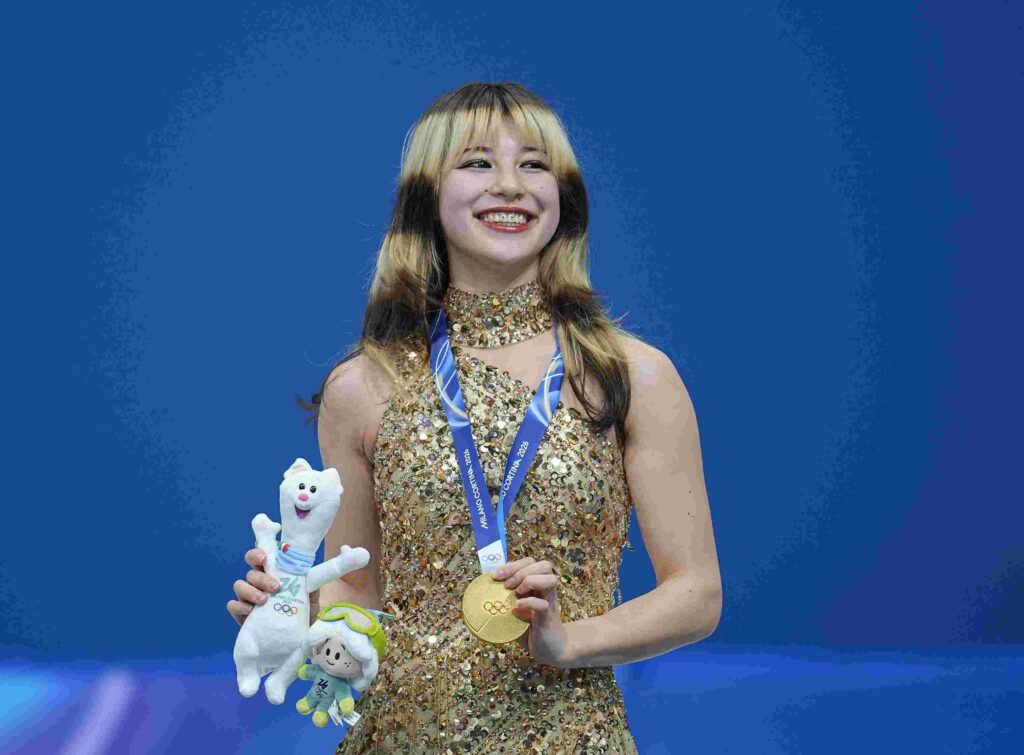
Her gold medal is not just about technical skill. It represents what can happen when talent and authenticity work together.
Joy as a Competitive Advantage
One of the most noticeable things about Alysa is that she looks like she is having fun.
Joy is not weakness. It is a protective factor for mental health. When you enjoy what you are doing, your body produces less stress hormone. Your brain stays more flexible and focused. You recover from mistakes more quickly.
Enjoyment can improve performance.
Teens often hear that success requires constant pressure and sacrifice. Alysa’s win offers a different story. Passion and playfulness can coexist with ambition. In fact, they may strengthen it.
Tangible Takeaways for Teens
You do not have to be an Olympian to apply these lessons. Here are ways to practice being unapologetically yourself:
- Check your motivations.
Ask yourself, Am I doing this because I love it, or because I want approval? Notice the difference in how each feels in your body.
- Protect your fuel.
Your brain needs consistent nutrition to manage mood and focus. Restricting food harms concentration and emotional stability. Taking care of your body supports your goals.
- Reduce performance mode.
Choose one place in your life where you allow yourself to be less curated. That could mean posting something real, dressing how you actually like, or speaking up about your interests.
- Redefine success.
Write down what success means to you beyond winning. Does it include joy, balance, health, or growth? Keep that definition visible.
- Practice self trust.
When making a decision, pause and ask, What feels aligned with who I am? Building this habit strengthens identity and confidence.
- Allow yourself to enjoy things.
If you love something, let yourself love it fully. Joy is not immature. It builds resilience.
You Do Not Have to Change Who You Are to Win
Alysa Liu winning Team USA’s first women’s figure skating Olympic gold in 24 years is historic. But the deeper impact may be what her presence represents.
You can be talented and grounded. You can be ambitious and joyful. You can work hard and still look like yourself.
Teens are drawn to her because she reflects something many of them are craving. Permission to stop performing. Permission to stop shrinking. Permission to succeed without self betrayal.
Being unapologetically yourself is not always easy. But as Alysa’s gold medal moment shows, it can be powerful.
And sometimes, it is exactly what sets you apart.