
Key Takeaways
- Teen depression often appears as irritability, anger, or risk-taking rather than the visible sadness typically seen in adults.
- Warning signs include persistent mood changes lasting two weeks or more, declining academic performance, and social withdrawal from peers and family.
- Physical symptoms such as chronic fatigue, sleep disturbances, and unexplained aches often indicate underlying depression rather than normal teenage tiredness.
- Evidence-based therapies like CBT and DBT help teens build resilience and recover without necessarily requiring medication when family support is integrated.
- Mission Prep Healthcare offers specialized residential and outpatient programs for teens, combining therapy, academic support, and family involvement for lasting recovery.
Teen Depression Checklist: Spotting the Warning Signs Early
Teen depression often looks like persistent irritability, anger, or unexplained physical aches rather than the visible sadness typically seen in adults. To meet clinical criteria, these symptoms must last at least two weeks and significantly impair a teenager’s daily functioning at school or home. Early detection is critical, as untreated depression during these critical years can derail academic progress and damage long-term social relationships.
Recognizing the difference between normal hormonal mood swings and clinical depression involves monitoring the intensity and duration of behavioral changes. Key warning signs include social withdrawal, a sudden drop in grades, and a loss of interest in previously enjoyed activities. By identifying these “masked” symptoms early, families can intervene with evidence-based therapies like CBT or DBT before negative emotional patterns become deeply entrenched.
How Does Teen Depression Differ from Normal Mood Changes?
Adolescence naturally brings mood fluctuations as teens face hormonal changes, social pressures, and identity development. The key difference between normal teenage moodiness and clinical depression lies in intensity, duration, and impact. Normal mood swings might last a few hours or a couple of days and typically relate to specific events or stressors. Teen depression persists for weeks or months, affects multiple areas of life simultaneously, and doesn’t lift even when circumstances improve.
A teen who seems sad after a breakup but still enjoys time with friends and maintains grades is experiencing normal emotional responses. A teen who withdraws from all activities, stops caring about school, and expresses feelings of worthlessness for weeks is showing signs of depression.
Another distinguishing factor is functionality. Typical teenage emotions rarely prevent daily activities for extended periods. Depression interferes with a teen’s ability to complete homework, maintain friendships, participate in activities they once enjoyed, and handle basic self-care. These functional impairments signal that a professional evaluation is needed.
Emotional Signs of Depression in Teens
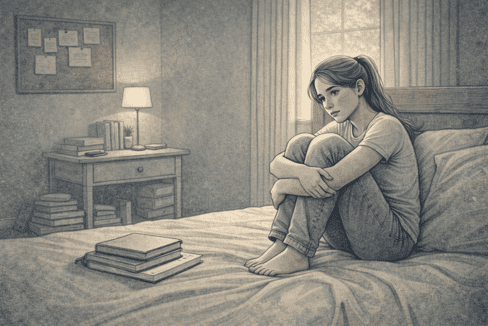
Teen depression is more than just sadness. Watch for persistent irritability that seems out of proportion. Teens who snap at family members, have low frustration tolerance, or show frequent anger may be struggling with depression. Many depressed teenagers describe feeling empty or numb rather than sad, as though they’re just going through the motions. This emotional flatness often puzzles parents who expect crying or visible distress.
Feelings of worthlessness and excessive guilt are red flags. Teens with depression might fixate on minor mistakes, believe they’re burdens to their families, or express that others would be better off without them. These thoughts go beyond typical teenage self-consciousness and reflect the distorted thinking patterns depression creates. Additionally, loss of interest in activities that previously brought joy, whether sports, hobbies, social events, or time with friends, indicates anhedonia, a core symptom of clinical depression.
Behavioral Warning Signs
Depression often shows up in behavioral changes before teens verbally express their emotional struggles. These patterns provide concrete indicators that caregivers can identify and address.
Changes in School Performance
Academic decline often serves as an early warning sign. Teens with depression struggle to concentrate, complete assignments, and retain information. Previously motivated students may stop turning in homework, skip classes, or see grade drops across multiple subjects.
Rather than laziness or lack of discipline, depression impairs cognitive function, making it difficult to focus, remember details, and organize tasks. Teachers might report that the teen seems distracted, disengaged, or unable to participate in class discussions.
Social Withdrawal Patterns
Depressed teens progressively isolate themselves from peers and family. They might stop responding to friends’ messages, decline invitations to social events, and spend increasing time alone in their rooms. Depression often convinces teens that others don’t care or that social interaction requires too much energy.
Some teens maintain surface-level interactions at school but retreat completely once home, using all their emotional resources to appear functional in public.
What Are the Physical Signs of Teen Depression?
Depression shows up physically in ways that surprise many parents. Sleep disturbances are extremely common; some teens sleep excessively, using sleep as escape, while others experience insomnia or wake frequently during the night. Appetite changes also signal depression, with some teens eating significantly more or less than usual, leading to noticeable weight fluctuations. Persistent fatigue that doesn’t improve with rest is another hallmark. Depressed teens describe feeling physically exhausted regardless of sleep quantity, making even simple tasks feel overwhelming.
Physical complaints often become more common in adolescents dealing with depression. Ongoing headaches, stomach pain, or general aches without a clear medical explanation frequently appear alongside emotional struggles. These symptoms are real and connected to the way depression influences stress levels and pain perception.
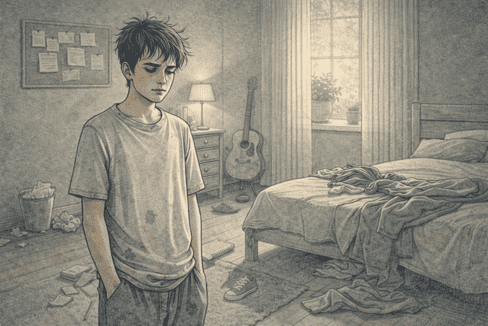
Some teens may act impulsively or engage in mild self-injuring behaviors, like skin picking, as a way to cope with emotional numbness or distress. Shifts in personal hygiene and appearance can also signal a problem. Skipping regular showers, wearing unclean clothes, or losing interest in grooming may reflect the low energy and reduced motivation that depression can bring.
When Teen Sadness Becomes Clinical Depression
The shift from temporary sadness to clinical depression depends on duration, severity, and impact on daily life. Mental health professionals typically look for symptoms that last 2 weeks or more and significantly impair daily functioning. However, parents shouldn’t wait for a formal diagnosis to seek help if they’re concerned. Trust your instincts. If something feels wrong or the changes worry you, consult a mental health professional.
Clinical depression requires that multiple symptoms appear together across different categories: emotional, behavioral, and physical. A teen experiencing only one or two isolated symptoms likely isn’t clinically depressed, but a teen showing persistent sadness or irritability, social withdrawal, declining grades, sleep changes, and loss of interest in activities needs professional evaluation.
The severity matters too. Mild symptoms might respond to increased support and lifestyle changes, while moderate to severe depression typically requires professional intervention through therapy and possibly other treatment modalities.
Depression Signs Checklist by Category
| Category | Warning Signs |
| Emotional | Persistent sadness or emptiness, frequent irritability, feelings of worthlessness, excessive guilt, loss of interest in previously enjoyed activities |
| Behavioral | Social withdrawal, declining academic performance, giving away possessions, increased conflict with family, risk-taking behavior |
| Physical | Sleep disturbances (insomnia or excessive sleeping), appetite changes, unexplained aches and pains, persistent fatigue, neglect of personal hygiene |
| Social | Isolating from friends, declining invitations, difficulty maintaining relationships, expressing feelings that no one cares |
| Cognitive | Difficulty concentrating, trouble making decisions, memory problems, negative self-talk, thoughts of death or suicide |
Why Mission Prep Healthcare Specializes in Teen Depression Treatment

Teen depression requires specialized care that directly addresses the developmental needs of adolescents. Effective treatment must provide supportive environments and therapeutic approaches built specifically for young people. Mission Prep Healthcare provides both residential and outpatient programs to help teens aged 12–17 manage their mental health.
Evidence-based therapies combine with integrated academic support to ensure teenagers continue their education while receiving intensive mental health care. A family-centered model keeps parents actively involved through regular therapy sessions within a safe, home-like environment.
Frequently Asked Questions (FAQs)
Can teens recover from depression without medication?
Yes, many teens recover from depression through evidence-based therapies alone, particularly when treatment is started early and involves family support. Therapies like CBT and DBT have strong research backing their effectiveness for treating teen depression by teaching practical skills for managing thoughts, emotions, and behaviors.
Medication decisions typically depend on severity and individual needs. This choice should be made collaboratively with mental health professionals.
How long does teen depression typically last with treatment?
With appropriate treatment, many teens experience significant symptom improvement within 8–12 weeks, though complete recovery often takes several months. The timeline varies based on depression severity, how long symptoms existed before treatment began, and individual factors like family support and treatment engagement.
Consistent therapy attendance and practicing skills outside sessions accelerate progress. Some teens need longer-term support to maintain gains and prevent relapse.
What’s the difference between teen depression and teenage angst?
Teenage angst involves temporary mood swings and emotional reactivity related to specific situations, typically resolving within days. Depression persists for weeks or months, affects multiple life areas simultaneously, and doesn’t lift when circumstances improve.
Depressed teens lose interest in activities they once enjoyed, experience significant functional impairment, and often express feelings of hopelessness or worthlessness that go beyond normal teenage self-doubt.
Should I be worried if my teen talks about death or dying?
Any mention of death, dying, or suicide should be taken seriously and warrants immediate professional evaluation. Don’t assume your teen is seeking attention or wouldn’t follow through.
Ask directly whether they’re having thoughts of harming themselves, listen without judgment, and contact a mental health professional or crisis line immediately. Remove access to means of self-harm and ensure your teen isn’t left alone until they’ve been evaluated by a professional.
How does Mission Prep Healthcare support families during teen depression treatment?
At Mission Prep Healthcare, we involve families in every step of care through weekly family therapy sessions, regular communication about progress, and structured transition planning. Our family-centered model recognizes that healing happens within the context of relationships, so we equip parents with skills to support their teens effectively.
We also provide education about depression, help families establish healthy communication patterns, and address family dynamics that may contribute to or maintain symptoms, ensuring that the home environment supports lasting recovery.