

Key Takeaways
- Teens with high-functioning depression may appear successful and active while experiencing chronic low-level depression, continuing daily activities but feeling persistent emotional strain and disconnection.
- The condition is often hidden because teens mask their struggles, appearing happy and accomplished while feeling empty inside, making it easy for parents, teachers, and peers to miss the signs.
- Common warning signs include persistent negativity, constant fatigue, changes in academic performance, sleep disturbances, harsh self-criticism, social withdrawal, and loss of interest in previously enjoyed activities.
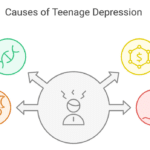
- High-functioning depression usually develops from a combination of factors, including genetic vulnerability, brain chemistry, academic pressures, social media influence, and family relationships, with early recognition and intervention crucial for positive outcomes.
- Mission Prep provides compassionate, evidence-based care, offering tailored therapies, residential programs, educational support, and family involvement to help teens safely handle high-functioning depression and build lasting strengths.
What Is High-Functioning Depression in Teens?
High-functioning depression, or persistent depressive disorder (PDD), is a chronic, low-level form of depression. Teens with this condition may appear fine, going to school, socializing, and achieving goals, yet feel emotionally drained and disconnected inside. Unlike major depression, which can stop daily activities, high-functioning depression lets teens keep going, but with constant emotional weight.
The Hidden Nature of Teen Depression
Because these teens seem “put together,” their struggles often go unnoticed. They might smile at school, excel in sports, or post happy photos online while feeling persistently empty or inadequate. Their ability to mask pain makes the condition easy to miss, even for parents and teachers.
How It Differs from Major Depression
Major depression tends to come in intense episodes that disrupt life, while high-functioning depression lingers for a year or more in teens, often with milder but ongoing symptoms. These include low self-esteem, fatigue, poor focus, and a lack of joy. Teens may continue functioning, but with reduced energy and motivation.
Why Recognition Matters
Adolescence shapes identity and emotional health. Unaddressed high-functioning depression can harm academic performance, relationships, and self-esteem, effects that may persist into adulthood. Early recognition and treatment can help teens regain confidence, build resilience, and form healthy emotional habits for life.
7 Warning Signs Your Teen Has High-Functioning Depression
High-functioning depression can be easy to miss because teens often keep up appearances, doing well in school, maintaining friendships, and staying active, while quietly struggling inside. If these signs last for weeks or months, they deserve attention and care.
1. Persistent Negativity and Pessimism
Teens with high-functioning depression often carry a bleak, self-critical mindset that overshadows even positive moments. They may make casual jokes about being a failure or say things like “Nothing ever goes right for me.” This constant negativity isn’t situational; it becomes their lens on life. Even when things go well, they expect disappointment, showing how deeply this outlook is rooted in their mood rather than reality.
2. Constant Fatigue and Low Energy
Despite sleeping enough or keeping up with activities, these teens seem perpetually exhausted. They drag through the day, often describing themselves as “tired all the time.” The fatigue isn’t physical; it’s emotional and mental, making everyday tasks feel overwhelming. You might notice them skipping outings or needing long periods alone to “recharge.”
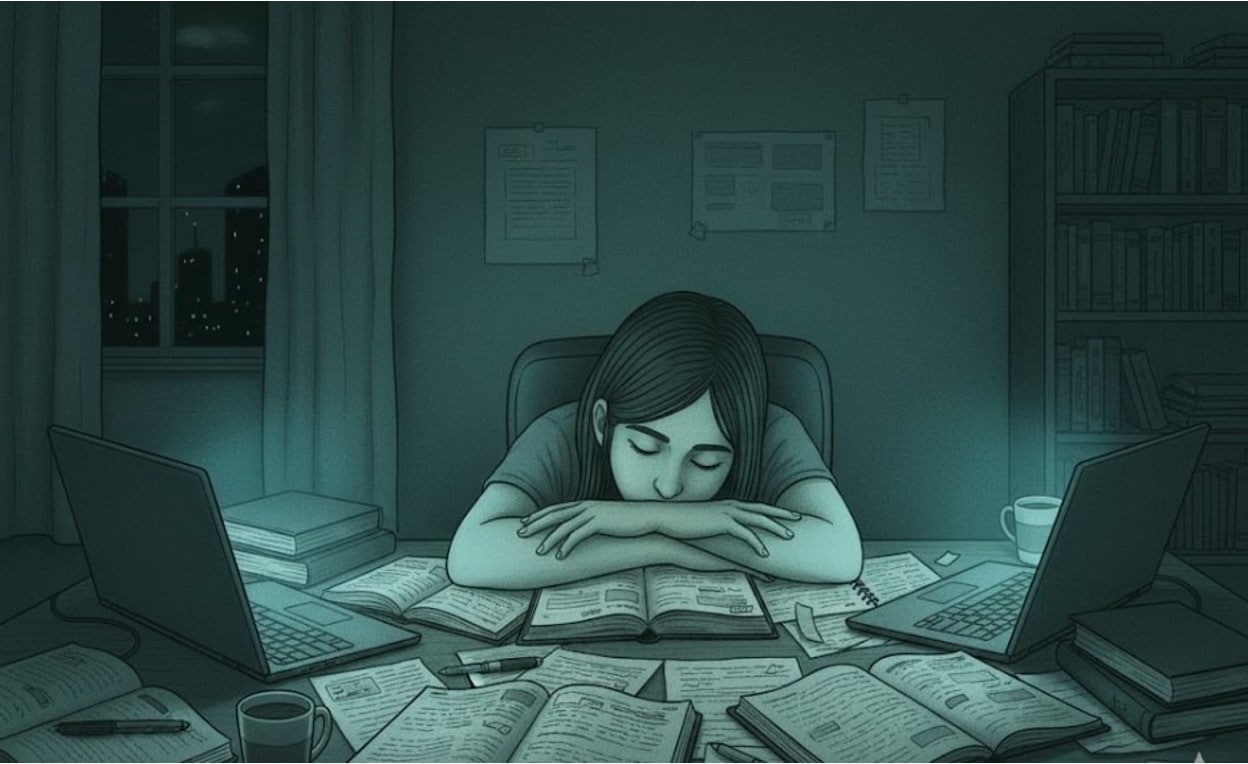
Teens may appear motivated and social while quietly struggling inside.
3. Academic Shifts: Perfectionism or Declining Performance
High-functioning depression often shows up in schoolwork. Some teens channel their distress into unhealthy perfectionism, redoing assignments repeatedly or panicking over small mistakes. Others lose motivation, with slipping grades and less interest in subjects they once enjoyed. Whether grades go up or down, a noticeable change in effort, attitude, or stress level can signal deeper emotional strain.
4. Sleep Problems Despite Regular Routines
Sleep becomes another area of quiet struggle. Some teens lie awake for hours, unable to quiet their thoughts, while others oversleep on weekends to escape their exhaustion. These irregular sleep patterns, either too much or too little, worsen mood and focus, creating a cycle that reinforces depression.
5. Harsh Self-Criticism and Feelings of Worthlessness
A hallmark sign of high-functioning depression is the relentless inner critic. Even successful teens may feel undeserving of praise or believe they’re “fooling everyone.” They often minimize achievements and dwell on perceived flaws, comparing themselves harshly to others. This self-blame eats away at confidence, making them feel fundamentally inadequate despite evidence to the contrary.
6. Emotional Withdrawal from Friends and Family
These teens might still show up for social events or family gatherings, but their energy feels flat or disconnected. They participate out of obligation rather than enjoyment, spending more time alone afterward. Over time, parents may notice fewer conversations, shorter answers, or a general sense of emotional distance, signals that your teen is retreating inward.
7. Loss of Interest in Previously Enjoyed Activities
A subtle but powerful warning sign is when hobbies, sports, or creative passions lose their spark. Teens may continue participating but admit they’re “just going through the motions.” Activities that once brought excitement now feel empty or burdensome. This loss of joy, known as anhedonia, is one of the clearest indicators that your teen may be struggling beneath the surface.
Why Teens Develop High-Functioning Depression
High-functioning depression usually arises from a mix of biological, psychological, and environmental factors, and no single cause exists, but certain conditions make teens more vulnerable, especially during adolescence when emotional and social pressures intensify.
Biological Factors: Brain Chemistry and Genetics
Depression has a strong genetic component, with teens who have close relatives experiencing depression facing a higher risk. Imbalances in neurotransmitters like serotonin, dopamine, and norepinephrine, combined with hormonal changes and the rapidly developing teenage brain, make emotions more intense and regulation more difficult. Research suggests that genetic, biological, environmental, and psychological factors play a role in depression.
Academic Pressure and Achievement Expectations
High-achieving teens often internalize intense academic pressure and perfectionism, and schools that prioritize grades over well-being can worsen stress, leading teens to maintain performance while quietly struggling with persistent low mood.
Social Media and Digital Life Influences
Heavy social media use can increase depressive symptoms through constant comparison, pressure to appear perfect, and disrupted sleep, and teens may feel excluded or inadequate, amplifying feelings of emptiness and internal struggle.
Family History and Home Environment
Beyond genetics, family structure shapes risk, with homes that provide low emotional support, high pressure, or conflict teaching teens to hide their struggles, while supportive, communicative families offer protective factors, even for those genetically predisposed.
Breaking Through: Effective Treatment Options

Open conversations between teens, parents, and therapists foster trust and healing.
High-functioning depression can feel permanent to teens, but evidence-based treatments, especially therapy, can be highly effective, particularly when started early. Teens may resist help, seeing their struggles as “just life,” so gentle, persistent support from parents is crucial to encouraging professional evaluation.
Therapy Approaches That Work
Cognitive Behavioral Therapy (CBT) helps teens identify negative thought patterns, develop healthier coping strategies, and gradually re-engage in meaningful activities. Interpersonal Therapy (IPT) focuses on improving communication, resolving relationship conflicts, and strengthening social support networks. Dialectical Behavior Therapy (DBT) teaches skills for managing intense emotions and stress, while family therapy can improve communication, reduce conflict, and create a supportive home environment that aids recovery.
Lifestyle Practices That Support Recovery
Daily routines can enhance therapy outcomes. Regular physical activity, even moderate exercise, boosts mood, energy, and resilience. Consistent sleep schedules and good sleep habits support emotional regulation and overall well-being. Nutrition also plays a role, with a focus on whole foods and balanced meals supporting brain health and mood.
Recovery isn’t about returning to life before depression; it’s about finding new strengths, emotional awareness, and resilience through the healing process. Harvard Health found that regular physical activity, proper sleep, and balanced nutrition can significantly support emotional regulation and long-term recovery from depression. Therapy offers teens tools to handle challenges and build a foundation for long-term well-being.
Supportive Treatment Considerations
While some teens may benefit from additional support alongside therapy, the main focus for high-functioning depression is evidence-based therapeutic approaches. Treatment decisions should involve experienced mental health professionals and include the teen in discussions, ensuring their concerns are heard and addressed. Close monitoring and ongoing communication help tailor strategies to each teen’s needs, creating a safe and supportive path toward recovery.
Recovery Is Possible: The Path Forward
Recovery from high-functioning depression is rarely linear, often moving through cycles of improvement, plateau, and occasional setbacks. Understanding this helps teens avoid seeing temporary symptom increases as failure. Each step offers insights into triggers, coping strategies, and early warning signs that can prevent or lessen future episodes.
Many teens emerge with greater emotional intelligence, self-awareness, and stronger interpersonal skills. Therapy fosters self-reflection, emotional regulation, and authentic communication, helping teens build strengths alongside managing challenges.
While full symptom resolution is possible, many teens learn to live meaningfully alongside occasional depressive feelings, recognizing warning signs, applying coping strategies, and staying connected to their values. This approach emphasizes resilience, teaching teens they can handle emotional challenges while maintaining a fulfilling life.
Empowering Teens, Transforming Futures: Mission Prep
At Mission Prep, we understand that high-functioning depression in teens often goes unnoticed, leaving young individuals to silently struggle. Our mission is to provide compassionate, evidence-based care that addresses the unique needs of adolescents facing mental health challenges.
We offer a range of therapeutic modalities designed to meet each teen’s specific needs. Cognitive Behavioral Therapy (CBT) helps teens identify and challenge negative thought patterns, fostering healthier coping strategies. Dialectical Behavior Therapy (DBT) assists in emotion regulation and distress tolerance, promoting balanced emotional responses. Experiential therapies like art therapy encourage emotional expression and healing through creative outlets. Family therapy engages families in the therapeutic process, strengthening communication and support systems.

Mission Prep provides a safe, structured environment for teens to rebuild confidence.
Our residential treatment centers offering high-functioning depression treatment in California and Virginia provide a safe, structured, and home-like environment where teens can focus on their recovery. With gender-specific housing and 24/7 access to clinical staff, we ensure that each teen receives the personalized care they deserve.
We also integrate educational support and social skills training, helping teens handle school pressures and build meaningful relationships. Weekly family therapy sessions and access to resources like The Parallel Process E-course empower families to support their teen’s journey and foster lasting change.
Frequently Asked Questions (FAQs)
Can high-functioning depression go away on its own?
High-functioning depression rarely resolves spontaneously because teens often develop coping patterns that mask symptoms without addressing the underlying depression. Without intervention, they may withdraw from activities or lower expectations to accommodate a low mood. The good news is that with therapy, lifestyle changes, and social support, most teens experience significant improvement, especially when treatment begins early. Early intervention helps teens see depression as treatable rather than part of their identity.
Should I tell my teen’s school about their depression?
Disclosing a teen’s depression depends on severity, academic impact, and the teen’s preferences. Sharing information with at least one trusted school professional, usually a counselor, can provide a safety net and allow for accommodations. This should be done collaboratively with the teen to respect privacy while ensuring support.
What’s the difference between normal teen moodiness and depression?
Normal teen moodiness responds to circumstances, resolves quickly, and doesn’t significantly affect daily functioning. Depression involves a persistent low mood that doesn’t improve with positive events, lasting weeks or months, and affecting energy, concentration, sleep, appetite, and social engagement. Parents should watch for patterns, such as difficulty bouncing back from disappointments or ongoing changes in sleep, motivation, or social interest.
Can diet affect high-functioning depression symptoms?
Nutrition can support mental health by influencing inflammation, neurotransmitter production, and gut health. While diet alone doesn’t cure depression, improvements can enhance treatment outcomes. Diets rich in vegetables, fruits, whole grains, healthy fats, lean proteins, omega-3s, B vitamins, vitamin D, and magnesium support mood regulation. Gradual, sustainable dietary changes that focus on how food affects energy and wellbeing are most effective for teens.
How is high-functioning depression diagnosed in teenagers?
Diagnosis involves a thorough assessment by qualified mental health professionals, including interviews with both the teen and parents, standardized rating scales, and consideration of medical and developmental factors. Because teens often hide or rationalize their struggles, clinicians work carefully to distinguish between typical adolescent behavior and persistent depressive symptoms. At Mission Prep, our team of experienced therapists and clinical staff specializes in these assessments, providing a supportive, structured environment where teens can safely express themselves and receive an accurate evaluation designed to their unique needs.