
Key Takeaways
- Cutting is typically a coping mechanism for emotional pain, not attention-seeking behavior, and it calls for a calm, nonjudgmental parental response.
- Parents should avoid reacting with anger or shame and instead focus on open communication that validates their teen’s emotional experience.
- Evidence-based therapies like CBT, DBT, and EMDR can effectively treat the underlying causes of self-harm without relying solely on medication.
- Early professional intervention through outpatient or residential programs significantly improves long-term outcomes for teens who self-harm.
- Mission Prep Healthcare offers teen-specific treatment with evidence-based therapies, family involvement, and integrated academic support for adolescents who self-harm.
What Parents Need to Know About Teen Cutting
Discovering that your teenager is cutting can be one of the most frightening experiences a parent faces. The most important thing to understand right away is that cutting is typically a coping mechanism; your teen is likely using physical pain to manage overwhelming emotions they don’t yet know how to process. It is not attention-seeking behavior, and it does not necessarily mean your teen is suicidal.
Your response matters enormously. Staying calm, approaching your teen without judgment, and connecting them with appropriate professional help are the most effective steps you can take. This article walks through recognizing the signs, responding as a parent, practical tips for ongoing support, and therapy-based treatment options that help teens stop self-harm and develop healthier coping skills.
Recognizing the Signs of Cutting in Teens
Teens who cut often go to great lengths to hide it, so knowing what to look for can help you intervene earlier. Common signs include wearing long sleeves or pants even in warm weather, unexplained cuts, scratches, or burns (often on the arms, thighs, or stomach), and withdrawal from friends or family activities. You may also notice blood stains on clothing or bedding, sharp objects hidden in their room, or increased emotional volatility.
Cutting can accompany a range of emotional struggles, including anxiety, depression, trauma, and difficulty regulating intense feelings. Not every teen who cuts has the same underlying cause, which is why a professional assessment is so valuable in determining the right path forward.
How to Respond After Discovering Your Teen is Cutting
The moment you learn your teen is self-harming is critical, as your initial reaction sets the tone for everything that follows. Reacting with anger, panic, or accusations can cause your teen to shut down and hide their behavior more carefully. Instead, approach the conversation with care and curiosity to foster trust.
Let your teen know you’ve noticed and that you’re concerned, not angry, by using supportive statements like “I care about you, and I want to understand what you’re going through.” Avoid issuing ultimatums or demanding they stop immediately, as this rarely works and can deeply damage trust. The primary goal of this first conversation is simply to open the door to communication and let your teen know they are not alone.
After this initial conversation, the next step is seeking a professional assessment. A licensed therapist who specializes in adolescents can evaluate what’s driving the self-harm and recommend an appropriate level of care.
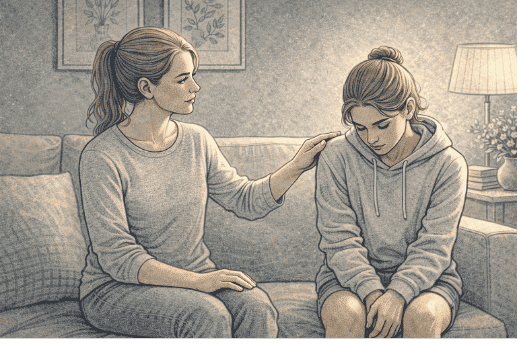
A calm, nonjudgmental parental response is the most effective first step: anger or ultimatums can cause teens to hide self-harm more carefully rather than seek help.
Tips for Parents Supporting a Teen Who Self-Harms
Supporting a teen through self-harm recovery is an ongoing process, not a single conversation.
Here are essential steps for parents to follow:
- Maintain open communication: Check in regularly without making every interaction about cutting, ensuring your teen feels safe discussing difficult emotions before a crisis.
- Identify triggers gently: Help your teen recognize what situations or feelings precede episodes, which becomes a building block for developing healthier coping strategies.
- Limit access to tools: Removing easy access to sharp objects is a necessary step, though addressing the deeper emotional cause remains the priority.
- Educate yourself: Learn about self-harm to serve as a deeply informed and empathetic support system.
- Prioritize your mental health: Supporting a teen is emotionally taxing, so seek your own counseling or join a parent support group to maintain your well-being.
Treatment Options for Teen Self-Harm
Professional treatment is the most reliable path toward helping a teen stop cutting and build lasting emotional resilience. Several evidence-based therapies are particularly effective for adolescents who self-harm.
Cognitive Behavioral Therapy (CBT)
CBT helps teens identify the negative thought patterns that fuel emotional distress and self-harm. Through structured sessions, adolescents learn to challenge distorted thinking and replace harmful coping behaviors with constructive alternatives. CBT is widely used in both outpatient and residential settings and works well for teens dealing with anxiety, depression, and trauma-related self-harm.
Dialectical Behavior Therapy (DBT)
DBT was originally developed for individuals who struggle with emotional regulation, making it especially well-suited for teens who cut. It focuses on mindfulness, distress tolerance, emotional regulation, and interpersonal effectiveness to give teens concrete tools to manage intense emotions without self-harm. This therapy often includes both individual sessions and group skills training components.
EMDR Therapy
Eye Movement Desensitization and Reprocessing (EMDR) is particularly helpful for teens whose cutting is connected to past traumatic experiences. EMDR helps the brain reprocess traumatic memories so they no longer trigger the overwhelming emotional responses that lead to self-harm. For adolescents whose cutting stems from unresolved trauma, EMDR can address root causes that talk therapy alone may not fully reach.
The Role of Family Therapy
Family dynamics play a significant role in a teen’s mental health recovery. Family therapy sessions help improve communication, rebuild trust, and ensure that the home environment supports the progress being made in individual treatment. Teens whose families are actively involved tend to sustain their recovery more effectively after formal treatment ends.
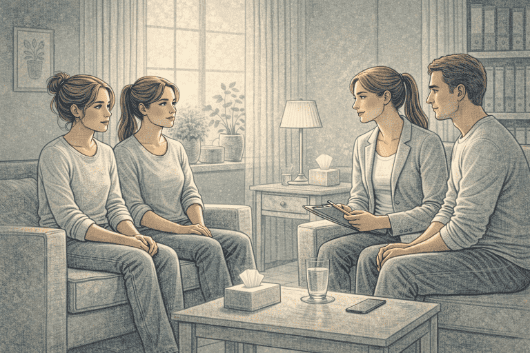
Evidence-based therapies like CBT, DBT, and EMDR give teens practical tools to manage intense emotions and address the root causes of self-harm without relying solely on medication.
Why Professional Programs Matter
While some parents may hope to help their teen through self-harm at home, there are important reasons to consider professional programs. Attempting to manage self-harm without clinical support puts a heavy burden on parents who may not have the training to address the underlying mental health issues driving the behavior. There’s also a risk of overlooking a more complex diagnosis that requires a structured, clinical treatment approach.
Outpatient programs allow teens to receive consistent therapy while continuing to live at home and attend school. For teens who need more intensive support, residential programs provide round-the-clock care in a therapeutic environment. Both options offer the structure, clinical expertise, and peer support that home-based approaches typically cannot replicate.
How Mission Prep Healthcare Supports Teens Who Self-Harm

Mission Prep Healthcare’s residential and outpatient programs are designed exclusively for teens aged 12–17, combining evidence-based therapy with academic support and family involvement.
Finding the right support for a teenager who self-harms is a vital step toward long-term recovery and safety. Mission Prep Healthcare provides specialized mental health programs for adolescents aged 12 to 17 in comfortable, home-like settings. These programs combine clinical knowledge with a deep understanding of the unique developmental needs of the adolescent age group.
Families can access evidence-based treatments like DBT and EMDR while ensuring their child remains on track with their education. The clinicians at Mission Prep Healthcare prioritize family involvement to help parents build stronger connections with their children. Contact the admissions team today to learn how these professional services can help your teen build a healthier future.
Frequently Asked Questions (FAQs)
Is cutting always a sign of suicidal thoughts?
No. Cutting is most often a coping mechanism for emotional pain rather than a suicide attempt. However, any form of self-harm should be taken seriously and evaluated by a mental health professional to assess risk and determine appropriate care.
What age group is most likely to engage in cutting?
Self-harm behaviors like cutting are most common among adolescents and young adults, typically beginning around age 13, with behaviors peaking around age 16. Early identification and intervention give teens the best chance at a full and sustained recovery.
Can a teen recover from cutting without professional help?
While some teens may reduce self-harm on their own, professional treatment addresses the underlying emotional issues that cause it. Without proper support, teens risk developing more harmful coping patterns or experiencing worsening mental health over time.
How long does treatment for teen self-harm typically take?
Treatment duration varies based on the severity of the behavior and underlying conditions. Outpatient therapy may last several months, while residential programs typically run for 6 to 12 weeks. Ongoing support after formal treatment helps maintain long-term progress.
What makes Mission Prep Healthcare different for treating teen self-harm?
Mission Prep Healthcare treats only teens aged 12–17, so every aspect of care is developmentally appropriate. We combine therapies like CBT, DBT, and EMDR with integrated academic support and weekly family therapy to promote comprehensive, lasting recovery.