
Key Takeaways
- Teens with bipolar disorder experience extreme mood swings, mania or hypomania, and depression that can significantly affect energy, behavior, and daily functioning.
- Symptoms differ from typical teen mood swings by being intense, long-lasting, and disruptive, impacting school, relationships, and overall functioning.
- Early warning signs, such as low sleep, rapid speech, high energy, withdrawal, fatigue, or hopelessness, should be tracked and addressed promptly to prevent escalation.
- Supportive environments, including consistent routines, calm spaces, balanced independence, and healthy emotional modeling, help teens manage symptoms and maintain stability at home and school.
- Mission Prep offers comprehensive, individualized care combining evidence-based therapies and integrated academic support, helping teens overcome mental health challenges while continuing their education and building long-term wellness.
What Bipolar Disorder Looks Like in Teens
Bipolar disorder involves extreme mood swings and emotional highs (mania or hypomania) and lows (depression) that can greatly affect a teen’s energy, behavior, and daily life.
How It Differs from Typical Teen Mood Swings
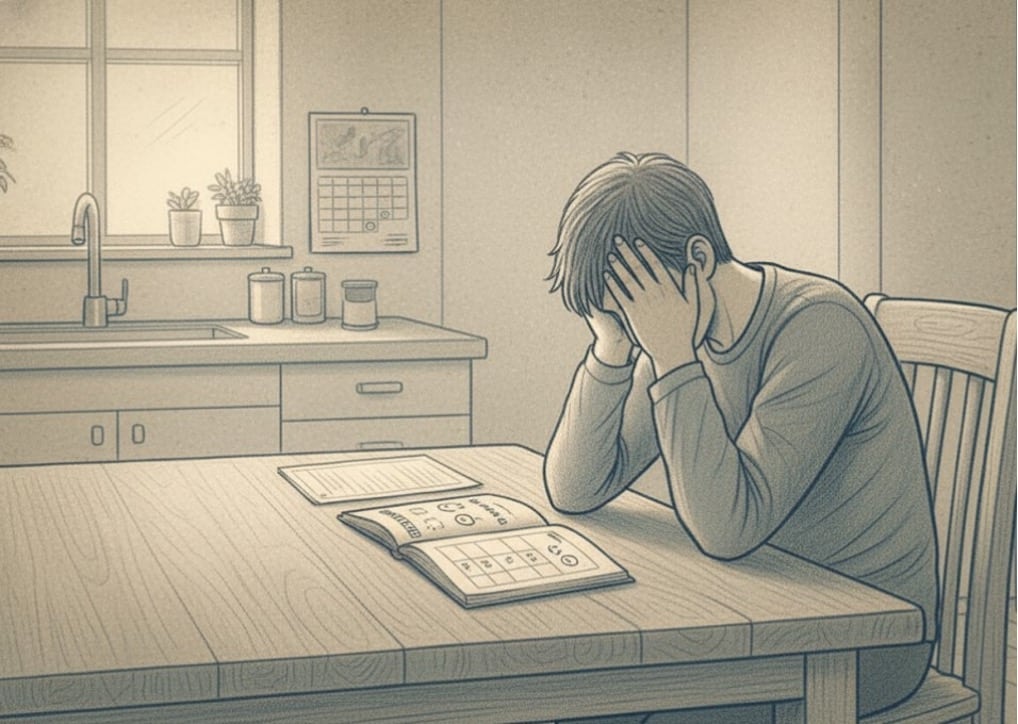
Normal teen moods come and go, but bipolar symptoms are intense, long-lasting, and disruptive. During mania, teens may talk rapidly, sleep little, act impulsively, or take risks without thinking. In depressive phases, they may feel hopeless, fatigued, or lose interest in things they once enjoyed. These shifts impact school, relationships, and overall functioning.
How Teen Bipolar Differs from Adults
Teens often experience faster, more frequent mood changes, sometimes within a single day. Instead of euphoria, they may show irritability or anger. Mixed episodes (symptoms of mania and depression at once) are common and can confuse diagnosis. Substance use may also appear as a form of self-medication.
Common Triggers in Adolescents
Lack of sleep, high stress, major life changes, and hormonal fluctuations can trigger episodes. Even small disruptions like poor sleep or school stress can worsen symptoms. Recognizing these triggers helps families support early intervention and stability.
Creating a Safety Plan for Crisis Moments
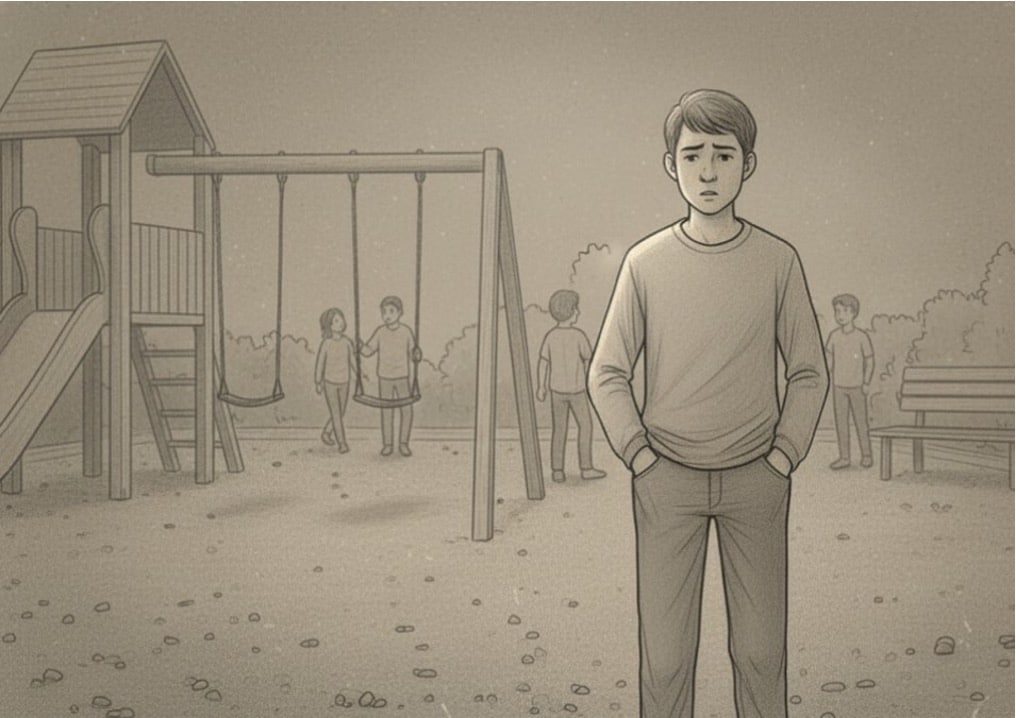
Supportive friendships can reduce feelings of isolation and build resilience in teens with bipolar disorder.
A clear safety plan helps manage bipolar symptoms and prevent crises. A 2018 study compared the Safety Planning Intervention (SPI) with standard care for individuals at risk of suicide and found that SPI was associated with a reduction in suicidal behavior and increased treatment engagement.
1. Recognizing Early Warning Signs
Each teen shows unique signs before an episode. Early mania may include little need for sleep, rapid speech, high energy, or impulsivity. Depression often brings fatigue, withdrawal, hopelessness, or neglect of self-care. Tracking these patterns helps catch mood shifts early.
2. Essential Emergency Contacts
Keep a list of key contacts, such as:
- Psychiatrist and therapist (with after-hours info)
- Crisis services
- Local psychiatric ERs
- Trusted family/friends
- School counselor or GP
3. When to Seek Immediate Help
Get emergency help if your teen expresses suicidal thoughts, self-harms, shows psychosis, or becomes a danger to themselves or others. Warning signs include talk of dying, giving away possessions, reckless behavior, or extreme withdrawal.
4. De-escalation Tips
For mania, reduce noise, dim lights, and speak calmly, avoid confrontation.
For depression, encourage small activities and validate feelings without pressure. Gentle exercise, walks, or quiet routines can help stabilize energy and mood.
5 Ways to Build a Supportive Home Environment
A calm, structured home can make a big difference for teens managing bipolar disorder. The goal isn’t to create a perfect household but to foster consistency, understanding, and emotional safety.
1. Keep Daily Routines Consistent
Regular schedules help regulate mood and reduce emotional volatility. Maintain set times for waking up, meals, medication, homework, and bedtime, even on weekends. Predictability helps your teen’s body clock and mood stay in sync, reducing the likelihood of sudden mood shifts.
2. Create a Calm Retreat Space
Design a peaceful corner where your teen can decompress when overwhelmed. Keep it comfortable and soothing, with calming music, journals, weighted blankets, or art supplies. Encourage relaxation techniques like deep breathing, stretching, or mindfulness exercises to help manage stress before it escalates.
3. Reduce Household Stress
Tension and conflict can quickly trigger mood changes. Set clear communication rules, resolve disagreements calmly, and avoid shouting or blame. Try to maintain a steady environment, minimizing noise, clutter, and chaos, to help your teen feel grounded and safe.
4. Balance Freedom and Support
Teens need both structure and autonomy. Offer independence in manageable steps while keeping an open line of communication about how they’re feeling. Regular family check-ins, like during meals or shared activities, allow you to monitor mood changes without being overbearing.
5. Model Healthy Emotional Expression
Demonstrate how to express feelings respectfully and manage stress in healthy ways. When you share your own coping strategies and admit when you’re struggling, your teen learns that emotions are normal and manageable. Showing vulnerability and resilience teaches them that it’s okay to ask for help and to recover from tough moments.
Creating a supportive home isn’t about eliminating challenges, it’s about helping your teen feel understood, safe, and capable of managing their emotions.
How to Talk to Your Teen About Their Diagnosis
Talking about bipolar disorder with your teen requires patience, clarity, and empathy. Choose calm, private moments when they are relatively stable, and use simple, jargon-free language. Emphasize that bipolar disorder is a medical condition, not a character flaw, and share examples of successful people managing the condition. Be prepared to revisit the conversation as questions arise.
Age-Appropriate Explanations
Tailor your explanations to your teen’s understanding. Use analogies like comparing mood episodes to changing weather to make concepts relatable. Introduce information gradually, and use visuals or videos to clarify abstract ideas. Timing matters: avoid discussing during active episodes, and break information into manageable chunks.
Addressing Stigma and Building Self-Acceptance
Help your teen separate their identity from the diagnosis by using language like “has bipolar disorder” instead of labeling them. Highlight their strengths and talents, and prepare them for potential stigma by role-playing responses to insensitive questions. Peer support groups can provide connection and understanding.
Involving Teens in Treatment Decisions
Include your teen in treatment planning to boost agency and adherence. Ask for their input on what strategies work, involve them in symptom tracking, and gradually give responsibility for medication management under supervision. This collaborative approach builds self-awareness and lifelong management skills.
Effective Treatment Options for Teen Bipolar Disorder
Managing bipolar disorder in teens requires a careful approach, typically combining medication, therapy, and lifestyle support. Early, specialized care greatly improves long-term outcomes.
Therapies That Work Best for Teens

Therapy sessions, including CBT or DBT, equip teens with practical coping strategies for challenging moments.
Several evidence-based therapies help stabilize mood and build coping skills:
- Cognitive Behavioral Therapy (CBT): Teaches teens to recognize and reframe negative thoughts while managing triggers.
- Dialectical Behavior Therapy (DBT): Builds emotional regulation, mindfulness, and distress-tolerance skills especially useful for mood swings and impulsivity.
- Interpersonal and Social Rhythm Therapy (IPSRT): Focuses on maintaining stable routines and healthy relationships to prevent mood episode disruptions.
- Family-Focused Therapy: Involves parents and siblings to improve communication, problem-solving, and understanding of bipolar symptoms.
- Eye Movement Desensitization and Reprocessing (EMDR): Sometimes used when trauma contributes to emotional instability.
- Transcranial Magnetic Stimulation (TMS): A non-invasive option that may help treat treatment-resistant depressive symptoms under specialist supervision.
Combining these therapies specific to each teen’s needs often produces the best results. For instance, combining DBT with EMDR has been found to be more effective in reducing PTSD symptoms than DBT alone. This integrated approach can address both the mood symptoms of bipolar disorder and any co-occurring trauma-related issues.
Support at School
Teens may also benefit from formal support, which can include extended deadlines, flexible attendance, or quiet spaces during stressful periods. These accommodations help create stability and reduce academic stress during mood fluctuations.
Supporting Your Teen’s Social Life and School Performance
Bipolar disorder can affect friendships, extracurricular activities, and academic success. The goal is to balance protecting your teen from triggers while encouraging normal adolescent experiences.
Managing Friendships
Help your teen identify supportive friends and teach them how to manage social situations without stigma. Roleplay ways to explain mood changes in general terms, set exit strategies for overwhelming situations, and encourage participation in structured activities that match their interests.
Working with Schools
Communicate with teachers, counselors, and administrators to share useful strategies while respecting your teen’s privacy. Set up accommodations early and guide how bipolar symptoms may affect classroom performance.
Balancing Activities with Mental Health
Encourage extracurriculars that promote enjoyment, structure, and stress relief, but avoid overscheduling. Be flexible with commitments and adjust participation during mood episodes. Prioritize activities that support well-being, gradually reintroducing more demanding commitments as stability returns.
Long-Term Success: Preparing Teens for Independence
Helping teens manage bipolar disorder independently is a gradual process that builds self-awareness, coping skills, and healthcare navigation abilities.
Teaching Symptom Self-Management
Encourage regular mood tracking through journals or apps and discuss patterns together. Gradually transfer responsibility for recognizing triggers and early warning signs as your teen gains confidence.
Transitioning to Adult Healthcare
Prepare for the shift to adult care well before age 18. Involve your teen in appointments, research suitable adult providers together, and ensure they understand insurance, prescriptions, and scheduling. Joint transition meetings with pediatric and adult providers can ease continuity of care.
Planning for College or Work
Help your teen anticipate challenges in new environments. For college, find mental health services, disability accommodations, and proximity to care. For work, discuss strategies for managing symptoms and communicating needs appropriately while fostering independence.
Mission Prep: Empowering Teens, Transforming Futures
Mission Prep Healthcare is a leading provider of adolescent mental health services, offering comprehensive residential and outpatient programs for teen bipolar disorder treatment in California and Virginia. Dedicated to treating the whole family system, Mission Prep integrates evidence-based therapies such as Cognitive Behavioral Therapy (CBT), Dialectical Behavior Therapy (DBT), and experiential approaches like art therapy.

Mission Prep provides individualized care to help teens manage bipolar disorder.
Our facilities provide a safe, nurturing environment that promotes healing and growth. Teens receive integrated academic support, with educational coordination and resources to ensure they continue progressing academically without interruption while in treatment. By providing individualized care, Mission Prep helps adolescents overcome challenges related to anxiety, depression, bipolar disorder, trauma, and more, providing tools and support for lasting mental wellness.
Frequently Asked Questions (FAQs)
Can bipolar disorder in teens go away with age?
Bipolar disorder is usually lifelong, but symptoms can become more manageable with proper treatment. Many teens experience longer stable periods as they mature and develop coping skills. Early intervention sets the stage for better long-term outcomes.
Are natural supplements effective for teens with bipolar disorder?
Supplements like omega-3s may support mood as an adjunct, but none replace conventional treatment. Focus on lifestyle approaches like regular sleep, stress management, therapy, exercise, and balanced nutrition. Always consult a doctor before adding supplements.
How can I help siblings understand their teen’s bipolar disorder?
Provide age-appropriate explanations, emphasizing it’s a medical condition, not a personal flaw. Allow siblings to express feelings honestly and ensure one-on-one time to prevent them from feeling overlooked.
Can lifestyle changes help manage bipolar disorder?
Yes. Regular sleep, balanced nutrition, stress management, and moderate physical activity support mood stability. These approaches complement therapy and professional care but do not replace them.
What if my teen refuses therapy?
Refusing therapy is common. Find underlying concerns, discomfort with the process, stigma, or feeling “fine” during hypomania, and address them calmly. Avoid confrontation and work with experienced providers, like those at Mission Prep, who offer individualized approaches to make therapy safe, engaging, and supportive for your teen.