

Key Takeaways
- Teens’ developing brains process stress more intensely, making everyday challenges feel overwhelming while they’re still learning how to cope effectively.
- Physical symptoms like headaches, stomach problems, and sleep issues often signal stress before emotional signs appear, so paying attention to your teen’s body can reveal struggles they haven’t voiced.
- The five most effective stress management strategies for teens include mindfulness and breathing techniques, physical movement, creative expression, boundary setting, and building supportive connections that provide practical tools they can use independently.
- Parents play a crucial role by modeling healthy stress management, creating low-pressure home environments, and recognizing when professional support can make a meaningful difference in their teen’s well-being.
- Mission Prep Healthcare offers specialized therapeutic programs that teach teens personalized stress management skills and emotional regulation techniques through family-centered care that builds lasting resilience without medication as the primary approach.
Why Stress Hits Teens Harder Than You Think
Teenagers experience stress differently because their brains are still developing. The part responsible for rational thinking and emotional control, the prefrontal cortex, doesn’t fully mature until their mid-twenties.
This makes stress hit harder. What seems like an overreaction to you might feel overwhelming to them. Their emotional “gas pedal” works faster than their “brakes.”
Modern teens also face nonstop pressure: intense academics, social media drama, and constant exposure to world events, all of which can heighten anxiety.
The upside is that coping skills can be learned. Helping your teen build healthy ways to manage stress now gives them lifelong tools for emotional balance and resilience.
Signs Your Teen is Struggling with Stress
Stress isn’t always easy to spot. Teens might not realize what’s happening, or they may hide it to avoid worrying you. Paying attention to physical, emotional, and behavioral changes can help you catch it early.
Physical signs often show up first. Frequent headaches, stomach aches, changes in appetite, or restless sleep can all point to rising stress. Your teen might seem constantly tired or complain of unexplained aches and tension.
Emotionally, stress can make teens moody, withdrawn, or unusually reactive. They might cry more easily, appear numb, or develop sudden anxiety and negativity.
You may also notice shifts in behavior or academics: missed assignments, slipping grades, lost motivation, or pulling away from friends. Some teens act out, while others become overly rigid or perfectionistic.

Recognizing stress in teens requires attention to changes across their physical health, emotional patterns, and daily behaviors, as teens rarely announce directly that they’re feeling overwhelmed.
5 Coping Strategies That Actually Work for Teens
Strategy 1: Mindfulness and Breathing Techniques
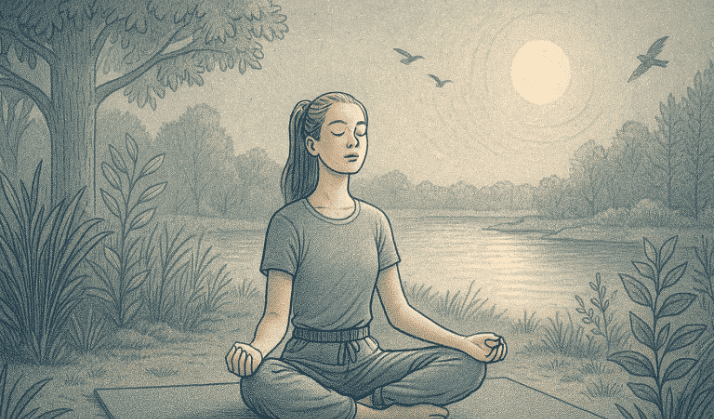
Mindfulness teaches teens to pause and create space between their stress and their reaction to it. It’s learning to notice what they’re feeling without immediately being swept away by it.
Deep breathing exercises offer the fastest stress relief available anywhere, anytime. When your teen takes slow, deep breaths, they’re literally sending signals to their nervous system that it’s safe to calm down. The 4-7-8 technique works well: breathe in for four counts, hold for seven, breathe out for eight. Even three cycles can shift their stress response.
Progressive muscle relaxation helps teens release physical tension they didn’t realize they were carrying. Starting at their toes and working up to their head, they tense each muscle group for five seconds, then release it, noticing the difference between tension and relaxation.
Introducing mindfulness to skeptical teens works better through casual practice than formal instruction. Try deep breathing together during commercials or while waiting in the car. Use apps designed for teens that make mindfulness feel less intimidating. The key is keeping it simple and pressure-free so it becomes a tool they’ll actually use.
Strategy 2: Physical Movement and Exercise
Movement is medicine for stressed brains. Physical activity burns off stress hormones, releases feel-good chemicals, and gives teens a healthy outlet for pent-up energy and emotion. It doesn’t require intense workouts or competitive sports to be effective.
The best exercise for stress management is whatever your teen will actually do consistently. Walking, dancing in their room, skateboarding, shooting hoops, yoga, or swimming all work. Even five to ten minutes of movement can shift their mood and energy.
Help your teen experiment with different types of movement to find what resonates with them. Some teens need high-intensity activities to discharge stress, while others find peace in gentle, rhythmic movement. Team sports provide social connection, while solo activities offer processing time.
Make movement accessible by removing barriers. Keep resistance low by having equipment at home, being willing to drive them places, or joining them in activities. When exercise feels like another obligation, it adds stress instead of relieving it, so keep expectations realistic and focus on how it makes them feel rather than performance goals.
Strategy 3: Creative Expression and Outlets
Creativity provides a language for feelings that teens can’t always put into words. Whether through art, music, writing, or other creative pursuits, expression helps process emotions and provides a healthy distance from problems that feel all-consuming.
Journaling gives you a private space to dump thoughts and feelings without judgment or consequences. Your teen doesn’t need to be a good writer for journaling to help. Stream-of-consciousness writing, bullet points, or even doodling with occasional words can all serve the same purpose of getting internal chaos onto external paper.
Art, music, and other creative activities engage different parts of the brain than analytical thinking does. This shift alone can reduce stress while giving teens a sense of control and accomplishment. Creating something tangible reminds them they have agency even when other parts of life feel beyond their control.
Protect creative time from becoming another source of pressure. The goal is to practice unstructured expression for its own sake. Make supplies accessible and resist the urge to judge, critique, or display their creative work unless they want to share it.
Strategy 4: Setting Boundaries and Managing Time
Many teens are drowning in obligations and expectations from multiple directions. Learning to set boundaries and make intentional choices about their time is a crucial stress management skill with lifelong value.
Saying no is hard for teens who want to please everyone or fear missing out. Help them understand that saying yes to everything means saying no to their own well-being. Practice phrases they can use to decline requests without lengthy explanations or guilt. Sometimes, “I can’t take that on right now” is all the explanation needed.
Realistic scheduling prevents the stress of chronic overwhelm. Help your teen look at their calendar and commitments honestly. If they’re scheduled every minute, something has to give. Build in buffer time between activities, protect some unstructured downtime, and ensure they have margins for the unexpected rather than operating at maximum capacity constantly.
Digital boundaries deserve special attention since devices create constant connectivity and comparison. Establish phone-free times, especially before bed, and help your teen notice how different activities on their device affect their stress levels. Not all screen time impacts them equally.
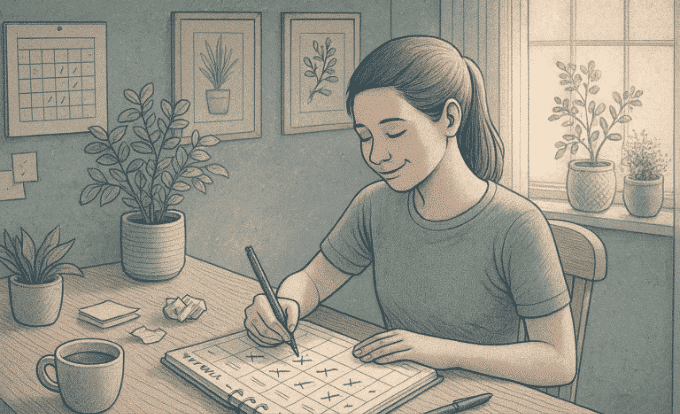
Teaching teens to set healthy boundaries with their time and commitments helps them move from feeling constantly overwhelmed to experiencing manageable stress and protected downtime.
Strategy 5: Building Support Networks and Connections
Humans are wired for connection, and teens especially need to know they’re not alone in their struggles. Strong relationships with family, friends, and trusted adults provide both emotional support and practical help during stressful times.
Help your teen identify their support network. Who can they talk to about different types of problems? Having multiple trusted people means they’re not dependent on any single relationship and can choose the right person for different situations.
Being available matters more than having perfect advice. Create regular opportunities for connection without forcing deep conversations. Side-by-side activities like cooking together, driving places, or watching shows they enjoy often lead to natural sharing. When they do open up, listen more than you talk and resist the urge to immediately problem-solve unless they ask for solutions.
Teach your teen that asking for help shows strength and wisdom, not weakness. Normalize reaching out when things feel hard by modeling it yourself. Let them see you asking for support, talking about your own stress, and using your own coping strategies.
Why Mission Prep is Your Partner for Teen Stress Management

Mission Prep Healthcare’s modern residential facility offers teens a peaceful, home-like environment surrounded by nature where they can focus on building stress management skills and emotional resilience.
When stress begins affecting your teen’s emotional well-being, daily functioning, or sense of hope about the future, specialized support can make all the difference. Mission Prep Healthcare understands that teen stress affects the entire family and that each teen needs personalized approaches that match how their brain works.
Our comprehensive programs for adolescents aged 12 to 17 address stress, anxiety, and emotional regulation challenges through residential, outpatient, and telehealth services. We focus on building practical coping skills, emotional resilience, and stress management strategies that work in real-world situations without relying on medication as the primary solution.
What makes our approach effective is how we combine evidence-based therapeutic techniques with a genuine understanding of what today’s teens face. We teach mindfulness, cognitive behavioral strategies, emotion regulation skills, and healthy lifestyle practices in ways that feel accessible and relevant to teen life.
We involve families throughout the treatment process because stress management works best with consistent support at home. Our licensed therapists equip parents with tools to create low-stress environments and respond helpfully when their teen is struggling. The skills your family learns continue working long after formal treatment ends.
Our safe, supportive environment gives teens permission to slow down, practice new skills without pressure, and rebuild confidence in their ability to handle life’s challenges. We celebrate progress rather than perfection and help teens discover their own strengths and resilience.
Every aspect of our program prepares teens for lasting wellness, building not just coping skills but the emotional intelligence and self-awareness that will serve them throughout their lives. When you choose Mission Prep, you’re partnering with a team that understands teen stress deeply and knows how to help families navigate it together.
Frequently Asked Questions (FAQ)
How do I know if my teen’s stress is normal or something more serious?
All teens experience stress, but watch for intensity, duration, and impact on daily life. Normal stress comes and goes with specific situations, while concerning stress persists even when circumstances improve, significantly affects sleep or eating, or interferes with school and relationships. When stress stops responding to support at home or continues intensifying, professional evaluation helps.
What if my teen refuses to try stress management techniques?
Start small and remove pressure. Rather than formal stress management sessions, weave techniques into daily life casually. Model the strategies yourself, make them available without forcing them, and focus on connection over compliance. Sometimes teens resist because they feel controlled. Giving them autonomy to discover what works for them often leads to better engagement than mandating specific techniques.
How can I help my teen when their stress comes from things I can’t control?
Focus on building their capacity to cope rather than eliminating all stressors, which isn’t possible anyway. Validate their feelings, teach effective coping strategies, and help them identify what is within their control versus what isn’t. Sometimes the most helpful thing is simply being present with them in their struggle rather than trying to fix everything.
What therapeutic approaches does Mission Prep use for teen stress and anxiety?
Mission Prep provides residential, outpatient, and telehealth programs specifically designed for adolescents dealing with stress, anxiety, and emotional regulation challenges. Our family-focused approach includes cognitive behavioral therapy, mindfulness-based techniques, emotion regulation skill building, and family therapy through personalized care plans that emphasize therapeutic interventions over medication.