

Key Takeaways
- The 3-3-3 rule is a grounding technique that helps teens redirect anxious thoughts by identifying three things they see, three things they hear, and three things they can move.
- Teen anxiety often manifests as irritability, social withdrawal, sleep problems, or physical complaints rather than just worry or nervousness.
- Validating emotions without solving every problem teaches teens that anxiety is manageable and that they have the capacity to cope with discomfort.
- Cognitive Behavioral Therapy (CBT) and Dialectical Behavior Therapy (DBT) are highly effective, evidence-based treatments for teen anxiety disorders.
- At Mission Prep Healthcare, we offer comprehensive mental health programs for teens aged 12–17, integrating therapies like CBT and DBT with academic support and family involvement.
Supporting Your Anxious Teen: What Parents Need to Know
Parenting a teenager with anxiety often presents unexpected challenges. One moment your teen seems fine, and the next they feel overwhelmed by fears that seem disproportionate to the situation. Anxiety in adolescents often looks different than it does in adults, showing up as irritability, avoidance, or physical symptoms rather than obvious worry. Understanding practical tools like the 3-3-3 rule and other evidence-based strategies can help you provide the support your teen needs. These methods allow you to build their confidence to manage anxiety independently.
What Teen Anxiety Actually Looks Like

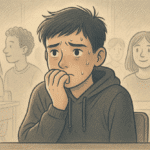
Teen anxiety often appears as irritability, social withdrawal, sleep problems, physical complaints, academic perfectionism, and procrastination rather than just direct expressions of worry.\
While some teens express worry directly, many manifest anxiety through behavioral changes that parents might misinterpret. Irritability and anger are common masks for underlying anxiety, as the constant state of hypervigilance exhausts teens emotionally. Social withdrawal often increases, with previously outgoing teens suddenly refusing invitations or making excuses to avoid school activities.
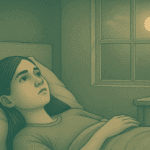
Other signs of anxiety can include increased frequency of physical complaints. Sleep disturbances are particularly telling, with anxious teens struggling to fall asleep due to racing thoughts or experiencing restless nights. Academic performance may shift noticeably, not necessarily declining but showing patterns of perfectionism, excessive time spent on assignments, or avoidance of challenging subjects.
Procrastination and avoidance behaviors escalate as teens try to escape situations that trigger anxiety. They might wait until the last minute to complete projects due to fear of failure or judgment rather than laziness. Understanding these varied presentations helps parents respond with appropriate support rather than frustration or punishment.
The 3-3-3 Rule: A Simple Grounding Technique
The 3-3-3 rule is a sensory grounding technique designed to interrupt the anxiety cycle and bring teens back to the present moment. When anxiety strikes, the mind often spirals into worst-case scenarios or becomes overwhelmed by physical symptoms. This simple exercise redirects attention to immediate surroundings, breaking the pattern of anxious thoughts.
To use the 3-3-3 rule, guide your teen through these steps:
- First, name three things they can see around them. Encourage specific observations rather than vague descriptions—”the blue cushion on the couch” rather than just “the couch.”
- Second, identify three sounds they can hear right now. This might include distant traffic, a clock ticking, or their own breathing.
- Third, move three parts of their body. This could be wiggling fingers, rolling shoulders, or tapping feet.
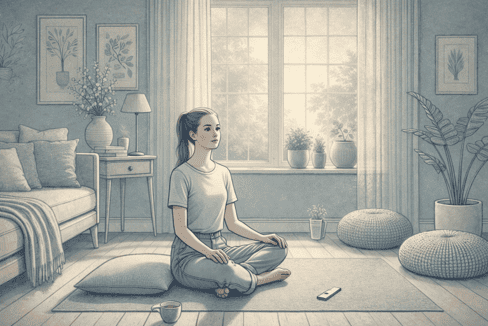
The 3-3-3 rule helps teens manage anxiety by naming three things they see, hear, and moving three body parts to ground themselves.
The effectiveness of the 3-3-3 rule lies in its simultaneous engagement of multiple senses, which activates the parasympathetic nervous system and counteracts the fight-or-flight response. Unlike complex coping strategies that require practice, this technique can be implemented immediately in moments of acute anxiety. Parents can model the rule themselves during stressful situations, demonstrating that everyone benefits from grounding techniques.
Practice the 3-3-3 rule during calm moments so it becomes second nature before high-anxiety situations arise. Make it a routine part of your household’s toolkit by using it together before potentially stressful events, such as exams or social gatherings.
Evidence-Based Strategies Beyond the 3-3-3 Rule
While grounding techniques provide immediate relief, sustained improvement requires a broader approach. Cognitive Behavioral Therapy principles can be integrated into daily parenting.
Help your teen identify thought patterns by asking questions like “What evidence supports that worry?” or “What else could this situation mean?” This process teaches teens to examine their anxious thoughts critically rather than accepting them as facts. Some ways to incorporate this include:
Gradual Exposure to Feared Situations
This builds confidence and reduces avoidance behaviors. If your teen experiences social anxiety, start with low-stakes interactions, such as ordering food or asking a store employee for help, before progressing to larger social events. The key is creating opportunities for success that prove anxious predictions wrong.
Validate Without Rescue
When your teen expresses anxiety, acknowledge their feelings genuinely: “I can see this is really hard for you”, without immediately jumping to solutions or dismissing concerns. Resist the urge to remove all sources of discomfort, as this reinforces the message that anxiety is dangerous and your teen cannot handle challenges independently.
Establish Predictable Routines
Predictable routines reduce uncertainties, which are a major anxiety trigger for teens. Consistent sleep schedules, regular meal times, and structured homework periods create a sense of stability. Build in daily opportunities for physical activity, which research consistently shows reduces anxiety symptoms and improves mood regulation.
Showing the Right Example
Model healthy anxiety management yourself. Teens learn more from observing how parents handle stress than from lectures about coping skills. Verbalize your own use of techniques: “I’m feeling overwhelmed, so I’m going to take a few deep breaths before we discuss this.”
Creating an Anxiety-Reducing Home Environment

Parents can reduce teen anxiety through open communication, balanced expectations, managing triggers, encouraging peer connections, and maintaining their own self-care.
Your home environment significantly impacts your teen’s anxiety levels. Parents can structure the household to reduce daily stressors and anxiety triggers.
1. Open communication fosters psychological safety, enabling teens to express their worries without fear of judgment or lectures. Create regular check-in times, perhaps during dinner or a weekly walk, where your teen knows they can discuss anything on their mind.
2. Reduce pressure around performance while maintaining appropriate expectations. Anxiety often intensifies when teens feel their worth depends on achievements. Celebrate effort and growth rather than only outcomes. When your teen struggles, focus on problem-solving together: “What support would help you with this?” rather than criticism.
3. Limit exposure to anxiety triggers when reasonable, but avoid enabling avoidance. If your teen finds morning news broadcasts stressful, that’s easily modified. However, if they want to skip all social events indefinitely, that avoidance needs to be addressed through gradual exposure and skill-building.
4. Encourage connection with peers, even when anxiety makes socializing difficult. Adolescent development requires peer relationships, and isolation typically worsens anxiety over time. Help facilitate low-pressure social opportunities, like having a friend over for a movie rather than large group gatherings.
5. Maintain your own self-care as a parent. Supporting an anxious teen is emotionally demanding, and parental burnout reduces your effectiveness. Seek support through parent support groups, individual therapy, or trusted friends who understand your challenges.
When Professional Support Becomes Necessary
Many teens benefit from professional mental health treatment when anxiety interferes with daily functioning, relationships, or development. Warning signs include persistent avoidance of school or social situations, declining academic performance despite ability, frequent panic attacks, or expressing hopelessness about the future.
Therapy approaches like Cognitive Behavioral Therapy (CBT) and Dialectical Behavior Therapy (DBT) have substantial evidence supporting their effectiveness for teen anxiety. CBT helps teens identify and modify anxious thought patterns while developing practical coping skills. DBT focuses on emotional regulation, distress tolerance, and interpersonal effectiveness, and is particularly valuable for teens whose anxiety manifests as emotional intensity or impulsive behaviors.
The advantage of seeking professional help early is preventing anxiety from becoming deeply entrenched and limiting your teen’s opportunities. Therapy also equips families with tools to support recovery at home, creating lasting change beyond the treatment setting.
Why Mission Prep HealthCare Offers Comprehensive Care for Teen Anxiety

We provide specialized teen anxiety treatment through evidence-based therapies, family involvement, and flexible care options in comfortable, home-like environments.
At Mission Prep Healthcare, we understand that teen anxiety requires specialized, age-appropriate treatment that addresses the whole adolescent and not just symptoms. Our programs exclusively serve teens aged 12–17, ensuring every therapeutic element is aligned with where your teen actually is in their growth.
We offer evidence-based therapies including Cognitive Behavioral Therapy (CBT), Dialectical Behavior Therapy (DBT), Eye Movement Desensitization and Reprocessing (EMDR), and Transcranial Magnetic Stimulation (TMS). These methodologies are adapted specifically for adolescent minds, engaging teens in ways that align with their experiences and communication styles.
We provide weekly family therapy sessions and maintain regular communication with parents because we know that sustainable recovery happens when the entire family system supports change. Our structured transition planning ensures gains made in treatment transfer successfully to home environments.
We offer flexible levels of care including residential, outpatient, and virtual programs, allowing teens to receive appropriate support based on their current needs. Our residential programs operate in small, licensed group homes in California and Virginia, creating home-like environments with semi-private rooms and shared meals. This setting differs dramatically from institutional facilities, helping teens feel safe enough to engage fully in treatment. Our goal is to build resilience so your teen can thrive long after leaving our care.
Frequently Asked Questions (FAQs)
Can anxiety in teens go away on its own without treatment?
While some teens experience temporary anxiety related to specific stressors that resolve naturally, persistent anxiety disorders typically require intervention. Without treatment, teen anxiety often worsens over time and can develop into more serious mental health conditions in adulthood. Early therapeutic support teaches coping skills that benefit teens throughout their lives and prevents anxiety from limiting academic, social, and personal development.
How can I tell if my teen’s anxiety is normal or requires professional help?
Normal teen anxiety is proportionate to stressors, temporary, and doesn’t significantly impair functioning. Professional help becomes necessary when anxiety persists for weeks or months, causes avoidance of important activities like school or friendships, interferes with sleep or eating, or leads to physical symptoms like frequent stomachaches. If your teen expresses feeling hopeless or if anxiety prevents them from enjoying activities they once loved, consultation with a mental health professional is warranted.
What should I do when my teen has a panic attack?
Stay calm and physically present without overwhelming them. Guide them through slow breathing: inhale for four counts, hold briefly, and exhale for six counts. Use grounding techniques, such as the 3-3-3 rule, to redirect their focus. Remind them that panic attacks are temporary and that they are safe. After the panic subsides, discuss what triggered it and whether professional support might help develop stronger coping strategies.
Does medication need to be part of treating teen anxiety?
Many teens successfully manage anxiety through therapy alone, particularly approaches like CBT and DBT that teach practical skills for managing anxious thoughts and physical symptoms. Medication may be considered when anxiety is severe, hasn’t responded adequately to therapy, or significantly impairs daily functioning. The decision about medication should involve collaboration between parents, teens, and mental health professionals, weighing potential benefits against individual circumstances and preferences.
What makes Mission Prep’s approach effective for anxious teens?
At Mission Prep Healthcare, our teen-only facilities ensure developmentally appropriate care that connects with adolescents. We combine evidence-based therapies like CBT and DBT with integrated academic support and weekly family therapy. Our small, home-like residential settings in California and Virginia create comfortable environments where anxious teens feel safe enough to build genuine confidence.