


Key Takeaways
- Self-destructive behavior in teens is often a sign of overwhelming emotional distress rather than attention-seeking or defiance, and it requires compassionate understanding from parents.
- Common forms of self-destructive behavior include physical self-harm, reckless actions, self-sabotage in relationships and academics, and neglecting basic self-care needs.
- Warning signs include unexplained injuries, wearing weather-inappropriate clothing to cover the body, social withdrawal, dramatic mood shifts, and expressions of hopelessness.
- Evidence-based therapies like Dialectical Behavior Therapy (DBT) and Cognitive Behavioral Therapy (CBT) help teens build healthier coping skills and emotional regulation abilities.
- Mission Prep Healthcare provides comprehensive treatment for teens struggling with self-destructive behavior, combining individualized therapy with meaningful family involvement.
Understanding Self-Destructive Behavior in Teens
Discovering that your teenager is engaging in self-destructive behavior can be one of the most frightening experiences a parent faces. You might feel confused, scared, or guilty, wondering how you missed the signs or what you could have done differently.
These feelings are completely natural, but it’s important to understand that self-destructive behavior is rarely about seeking attention or deliberately causing family distress. For most teens, these behaviors represent an attempt to cope with emotions that feel too overwhelming to manage any other way.
Self-destructive behavior encompasses any action a teen takes that causes harm to themselves, whether physical, emotional, or social. Behaviors range from cutting and burning to sabotaging relationships, taking dangerous risks, or neglecting basic needs. While the behaviors themselves vary widely, they share a common thread: they’re typically a response to intense inner pain that the teen doesn’t know how to process.
Understanding that your teen’s behavior stems from emotional struggle rather than willful defiance is the first step toward helping them find healthier ways to cope.
Why Teens Engage in Self-Destructive Behavior
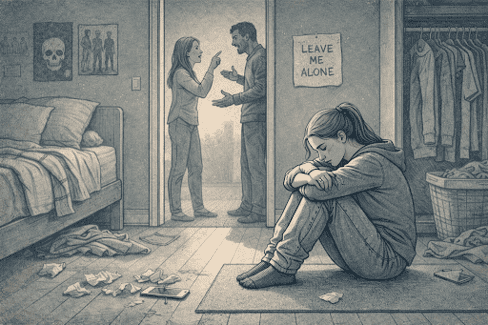
Teens often turn to self-destructive behavior when they lack the emotional tools to cope with overwhelming feelings.
Adolescence is already a time of significant emotional upheaval. Teens are navigating identity formation, social pressures, academic demands, and major physical changes, all while the parts of their brains responsible for emotional regulation and impulse control are still developing.
For some teens, this combination becomes overwhelming. When they lack healthy coping mechanisms, self-destructive behavior can emerge as a way to manage what feels unmanageable.
Many teens describe self-harm as providing temporary relief from emotional pain. The physical sensation can serve as a distraction from overwhelming feelings or create a sense of control when everything else feels chaotic. Others may engage in reckless behavior to feel something when they’re emotionally numb, or to express pain they can’t put into words.
Self-destructive behavior can also function as a form of self-punishment. Teens struggling with low self-worth may feel they deserve to suffer, or they may turn their anger inward rather than expressing it outwardly. Past trauma, difficult family dynamics, social rejection, and mental health challenges like depression and anxiety can all contribute to the development of these patterns.
It’s crucial to recognize that teens who engage in self-destructive behavior aren’t choosing it because they want to cause problems. They’re often doing the best they can with limited emotional tools, and they need support to develop better ones.
Types and Examples of Self-Destructive Behavior
Self-destructive behavior manifests in many different forms, and not all of them are immediately visible.
Physical Self-Harm
This includes cutting, burning, scratching, hitting oneself, or picking at wounds. These behaviors are often hidden, with teens injuring areas of their body that can be covered by clothing. The arms, legs, stomach, and thighs are common locations.
Reckless and Risky Behavior
Some teens express their distress through dangerous actions like reckless driving, unsafe sexual behavior, or putting themselves in physically dangerous situations. These behaviors may provide a temporary rush or sense of feeling alive.
Self-Sabotage
This involves deliberately undermining one’s own success or happiness. A teen might destroy friendships, allow their grades to plummet despite being capable, or push away those who care about them. This often stems from feelings of unworthiness or a belief that good things won’t last anyway.
Neglecting Physical Health
Refusing to eat properly, avoiding sleep, or ignoring personal hygiene can all be forms of self-destructive behavior. These patterns often go unnoticed longer because they’re less dramatic than other forms of self-harm.

Recognizing the many forms self-destructive behavior can take helps parents identify struggles that might otherwise go unnoticed.
Warning Signs Parents Should Watch For
Physical Signs
Watch for unexplained cuts, burns, bruises, or scars. Be aware if your teen suddenly insists on wearing long sleeves or pants even in warm weather, or avoids activities like swimming that would reveal their body. Finding sharp objects, lighters, or other potential tools hidden in their room can also be a warning sign.
Behavioral Changes
A teen who suddenly withdraws from friends and family, loses interest in activities they once enjoyed, or experiences a significant drop in academic performance may be struggling. Increased secrecy, spending excessive time alone, and becoming defensive when asked simple questions can all indicate that something is wrong.
Emotional Red Flags
Expressions of hopelessness, worthlessness, or excessive self-criticism should be taken seriously. Watch for dramatic mood swings, persistent irritability, or an unusual preoccupation with death or suffering in their conversations, writing, or artwork.
Social Withdrawal
Teens engaging in self-destructive behavior often pull away from their support systems. They may stop responding to friends, avoid family gatherings, or seem disconnected even when physically present.
Self-Destructive Behavior vs. Typical Teen Behavior
All teenagers go through moody phases, push boundaries, and make questionable decisions from time to time. So how do you know when behavior crosses the line from normal adolescent development into something more concerning?
The key differences lie in intensity, frequency, and impact. Typical teen moodiness comes and goes, while self-destructive patterns tend to persist or escalate over time. Normal boundary-testing doesn’t typically result in physical harm or significant damage to the teen’s relationships, academics, or future prospects.
If your teen’s behavior is causing them real harm, if they seem unable to stop even when they want to, or if their functioning in daily life is significantly impaired, it’s time to seek professional guidance. Trust your instincts as a parent. If something feels wrong, it’s worth exploring further.
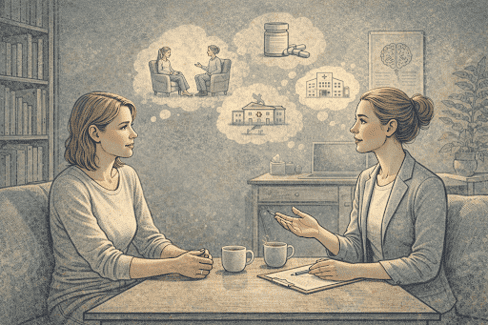
When teen behavior causes ongoing harm and impairs daily functioning, professional support can make a meaningful difference.
The Impact of Untreated Self-Destructive Behavior
Escalation Risks
Self-destructive behaviors tend to become more frequent and severe over time. What starts as an occasional coping mechanism can become habitual, making it increasingly difficult to stop without professional help.
Relationship Damage
Teens may push away friends and family, either deliberately or as a consequence of their internal struggles. The resulting isolation can deepen their emotional pain and remove potential sources of support.
Academic and Life Impact
Difficulty concentrating, missed school, and lack of motivation can derail academic progress. The consequences can extend to college prospects, career opportunities, and the teen’s overall trajectory.
Mental Health Complications
Untreated self-destructive behavior increases vulnerability to depression, anxiety, and other mental health challenges. Early intervention offers the best chance for lasting recovery, preventing these patterns from becoming entrenched.
Effective Therapeutic Approaches
Dialectical Behavior Therapy (DBT)
DBT was specifically designed to help people who struggle with intense emotions and self-destructive behaviors. The approach combines acceptance of difficult feelings with practical skills for changing unhealthy patterns. Teens learn mindfulness, distress tolerance, emotion regulation, and interpersonal effectiveness—skills that effectively replace self-destructive coping mechanisms. DBT for adolescents typically includes individual therapy, group skills training, and family involvement.
Cognitive Behavioral Therapy (CBT)
CBT helps teens identify the thought patterns and beliefs that contribute to their self-destructive behavior. By learning to recognize and challenge distorted thinking, teens can interrupt the cycle before it leads to harmful actions. CBT also teaches practical problem-solving skills and healthier ways to respond to stress.
Family Therapy
Because family dynamics play a significant role in a teen’s emotional well-being, involving the whole family in treatment can be highly beneficial. Family therapy improves communication, helps parents understand their teen’s struggles, and creates a more supportive home environment for recovery.
Mindfulness-Based Approaches
These techniques teach teens to observe their emotions without immediately reacting to them. Practices like deep breathing, body awareness, and grounding exercises give teens tools to calm themselves in moments of distress.
How Parents Can Help at Home
Start the Conversation
If you notice warning signs, don’t wait to address them. Let your teen know you want to talk, and approach the conversation with love and concern rather than accusations. You might say something like, “I’ve noticed you haven’t seemed like yourself lately, and I’m worried about you. I’m here to support you no matter what.”
Stay Calm and Validate Feelings
As difficult as it is to learn your teen is hurting themselves, reacting with anger, panic, or visible distress may cause them to shut down. Stay as calm as possible and focus on validating their emotions. Saying “I can see you’re going through something really hard” shows understanding without condoning harmful behavior.
Create Safety Without Judgment
Work with your teen to reduce access to items they might use to harm themselves, but do so collaboratively rather than punitively. Avoid power struggles, which rarely lead to positive outcomes.
Encourage Healthy Alternatives
Help your teen identify activities that can serve as healthier outlets for difficult emotions, whether that’s physical exercise, creative expression, talking to a trusted person, or practicing relaxation techniques.
Take Care of Yourself
Supporting a teen through self-destructive behavior is emotionally exhausting. Make sure you have your own support system, whether that’s friends, family, or a therapist. You can’t pour from an empty cup.
Mission Prep’s Approach to Treating Self-Destructive Behavior in Teens

A supportive family environment combined with professional treatment gives teens the best foundation for lasting recovery.
Self-destructive behavior in teenagers often signals deeper emotional struggles that require specialized, compassionate care. Mission Prep Healthcare works with adolescents ages 12-17 to address these challenges through individualized treatment that meets each teen where they are.
Our programs utilize evidence-based therapies, including DBT and CBT, which have demonstrated effectiveness in helping teens develop healthier coping strategies and emotional regulation skills. Treatment plans are tailored to each adolescent’s specific needs, recognizing that every teen’s path to self-destructive behavior is unique.
Family involvement is central to our approach. Through family therapy sessions, parents gain insight into their teen’s emotional world, learn effective ways to provide support, and work on strengthening family relationships that may have been strained.
Mission Prep offers residential, outpatient, and telehealth options to accommodate different levels of need and family circumstances. Each setting provides a safe, supportive environment where teens can practice new skills, process difficult emotions, and build confidence in their ability to cope without self-harm.
Frequently Asked Questions (FAQs)
Why do teens engage in self-destructive behavior?
Teens typically engage in self-destructive behavior as a way to cope with overwhelming emotions they don’t know how to manage otherwise. It may provide temporary relief from emotional pain, create a sense of control, or serve as a way to express feelings they can’t put into words. Past trauma, mental health challenges, and lack of healthy coping skills are common contributing factors.
How can I tell if my teen is self-harming?
Warning signs include unexplained injuries, wearing long sleeves or pants in warm weather, avoiding activities that reveal the body, finding sharp objects or lighters in their room, increased secrecy, social withdrawal, and expressions of hopelessness or worthlessness. Trust your instincts—if something feels wrong, it’s worth having a conversation.
What should I do if I discover my teen is engaging in self-destructive behavior?
Stay calm and approach your teen with compassion rather than anger or panic. Let them know you’re concerned and want to help, not punish them. Validate their feelings while making clear that you want to help them find healthier ways to cope. Seek professional help from a mental health provider experienced in working with adolescents.
Does Mission Prep Healthcare treat teens with self-destructive behavior?
Yes, Mission Prep Healthcare specializes in treating adolescents ages 12 to 17 who struggle with self-destructive behavior and related emotional challenges. Our comprehensive approach combines individualized, evidence-based therapy with family involvement to support lasting recovery.