
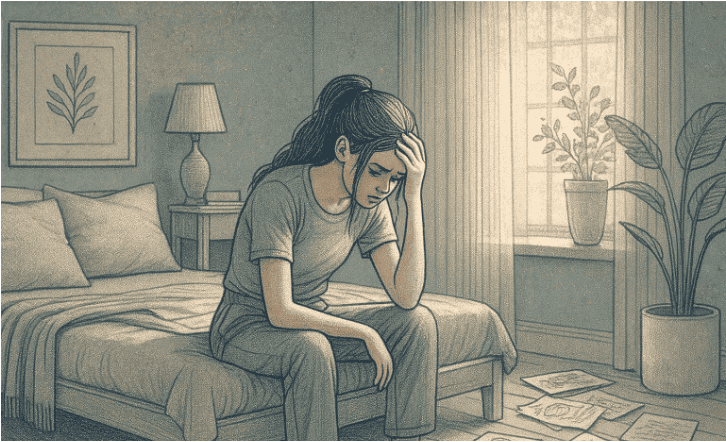
Key Takeaways
- Teens can be diagnosed with BPD, as symptoms typically emerge during adolescence and early diagnosis leads to better long-term outcomes.
- The diagnostic process involves a comprehensive evaluation to distinguish BPD from normal teenage behavior and other mental health conditions.
- BPD in teens shows up as intense emotional reactions, fear of abandonment, unstable relationships, and difficulty with self-image.
- Mission Prep Healthcare provides specialized adolescent programs addressing BPD through evidence-based therapies that help teens develop emotional regulation and healthier relationships.
Understanding the Question: Can Teens Really Have BPD?
For years, mental health professionals hesitated to diagnose borderline personality disorder (BPD) in anyone under 18. The reasoning seemed sound: teenage personalities are still forming, adolescence naturally involves emotional intensity, and no one wanted to saddle a young person with a serious diagnosis that might follow them into adulthood.
But this well-intentioned caution came at a cost. Teens who were genuinely struggling with BPD often went years without proper treatment, receiving diagnoses that didn’t quite fit or medications that didn’t address the core issues. Meanwhile, their emotional pain intensified, relationships suffered, and dangerous behaviors escalated.
The truth is that BPD symptoms typically emerge during adolescence. Waiting until someone turns 18 to acknowledge what’s clearly happening doesn’t protect teens; it delays the help they desperately need. Modern mental health professionals now recognize that teens can and should be diagnosed with BPD when they meet the criteria, because early intervention dramatically improves long-term outcomes.
Recognizing BPD Symptoms in Teenagers
Borderline personality disorder in teens manifests through patterns of behavior that are more intense, persistent, and disruptive than typical teenage struggles. Understanding these signs helps families recognize when professional evaluation is needed.
Emotional Intensity and Instability
Teens with BPD experience emotions with overwhelming force. Their feelings can shift rapidly from despair to rage to anxiety, sometimes within hours. These are emotional storms that feel impossible to control. When something triggers these intense feelings, the teen may struggle to calm down or think clearly.
Fear of Abandonment and Relationship Struggles
A hallmark of BPD is an intense fear of being abandoned or rejected. Teens with this fear may become frantic when they sense someone pulling away, even if that perception isn’t accurate. Their relationships tend to be intense and unstable, swinging between idealization and disappointment. One day, a friend is perfect; the next day, that same friend is the worst person imaginable.
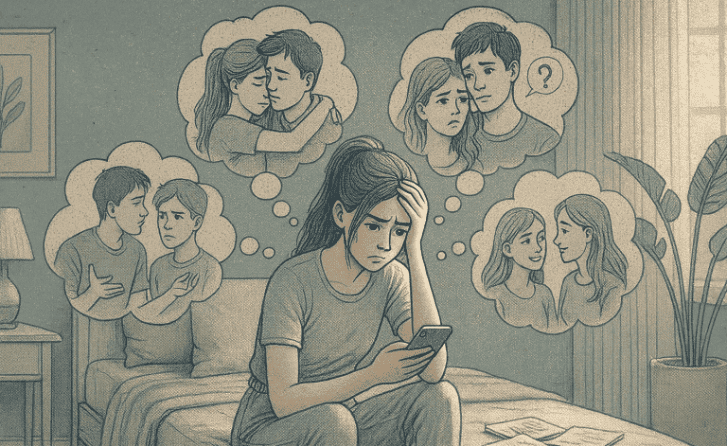
Teens with BPD often experience relationships as all-or-nothing, struggling to maintain stable connections with friends and family members.
Identity Confusion and Self-Image Issues
Many teens with BPD have difficulty holding on to a steady sense of self. Their self-image can shift quickly, leaving them feeling empty, uncertain, or disconnected from their own values, goals, or interests. This goes far beyond normal teenage exploration, creating a deeper instability that leaves young people feeling lost within themselves.
Impulsive Behaviors
When emotions become overwhelming, teens with BPD may act impulsively in ways that provide temporary relief but create longer-term problems. These behaviors might include self-harm, reckless actions, or other dangerous choices made in moments of intense emotional pain.
What Makes BPD Different from Typical Teen Behavior
Every teenager experiences emotional ups and downs, tests boundaries, and sometimes acts impulsively. So how do we distinguish between normal adolescent development and borderline personality disorder?
The key differences lie in intensity, persistence, and impact. Normal teenage moodiness comes and goes, usually triggered by specific situations and resolving relatively quickly. Teens with BPD experience emotional intensity that’s disproportionate to situations, lasts longer, and significantly disrupts their daily functioning.
A typical teen might feel hurt when a friend cancels plans but recovers after venting to another friend or doing something enjoyable. A teen with BPD might spiral into despair, convinced the friendship is over, unable to regulate their emotions for hours or days, and potentially engaging in harmful behaviors to cope with the pain.
The pattern must persist for at least a year and appear across multiple areas of life—not just at home or just at school, but consistently affecting relationships, self-image, and emotional regulation.
The Diagnostic Process: What to Expect
Getting an accurate diagnosis requires a thorough evaluation by a mental health professional who specializes in adolescent care. The process takes time by design, allowing clinicians to understand the teen’s symptoms clearly so they can provide the correct diagnosis and the most effective treatment plan.
The evaluation typically includes detailed interviews with both the teen and family members. The clinician will ask about emotional patterns, relationships, behaviors, and how long these patterns have existed. They’ll explore how these challenges affect school, friendships, and family life.
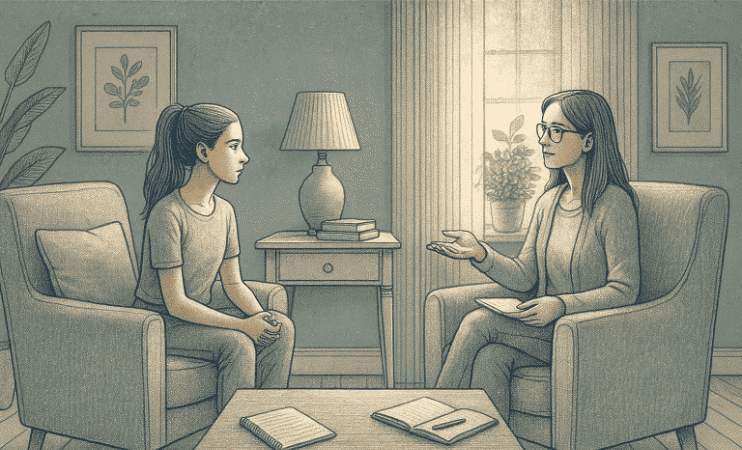
Professional evaluation involves collaborative conversations that help clinicians understand the full picture of a teen’s emotional experiences and behavioral patterns.
An important part of the diagnostic process involves ruling out other conditions that might look similar. Depression, anxiety, trauma responses, and other mental health challenges can sometimes manifest in ways that appear similar to BPD. A thorough evaluation distinguishes between these possibilities, ensuring that treatment addresses the actual underlying issues.
The clinician will also identify strengths and positive relationships in the teen’s life; resources that can support recovery and growth.
Why Some Professionals Were Hesitant to Diagnose
Understanding why hesitation existed helps explain why the field has evolved. Three main concerns drove reluctance to diagnose BPD in teens:
First, clinicians worried about the stigma associated with personality disorders. BPD has historically been misunderstood and stigmatized, even within mental health communities. Professionals feared that giving a teen this diagnosis might lead to prejudicial treatment or become a self-fulfilling prophecy.
Second, the idea that personality continues developing through the mid-twenties made some clinicians uncomfortable diagnosing a “personality disorder” in someone whose personality was still forming.
Third, BPD was once considered difficult to treat, with limited effective interventions available. Why diagnose a condition if treatment options were poor?
But all three concerns have been addressed. Stigma is reduced through education and accurate understanding. Research shows that BPD symptoms in adolescence are just as stable and valid as in adulthood. Most importantly, highly effective treatments now exist; treatments that work even better when started early.
Delaying diagnosis doesn’t protect teens; it deprives them of treatments that could change their trajectory.
What Causes BPD to Develop in Teens
Biological Factors
Some teens may have biological vulnerabilities that affect how they process emotions and respond to stress. Brain differences in areas responsible for emotional regulation can make it harder for these teens to manage intense feelings or recover quickly from emotional upset.
Environmental Influences and Trauma
The family environment plays a significant role. Teens who’ve experienced trauma, neglect, inconsistent caregiving, or invalidating environments where their emotions were dismissed are at higher risk. When children grow up in settings where their feelings aren’t acknowledged or are treated as wrong or excessive, they may struggle to develop healthy emotional regulation.
Attachment Issues
Early relationships shape how we understand ourselves and connect with others. Disrupted attachment, whether from separation, loss, or inconsistent emotional availability from caregivers, can affect the development of emotional regulation skills and sense of self.
Understanding these contributing factors helps families and professionals approach treatment with compassion. BPD isn’t about character flaws or willful misbehavior. It’s about real struggles rooted in complex developmental factors that deserve professional, empathetic attention.
Why Mission Prep is Your Partner for Teen BPD

Mission Prep’s therapeutic environment combines clinical expertise with a supportive, home-like atmosphere that helps teens feel safe enough to engage in meaningful emotional work.
Mission Prep Healthcare understands the complexity of borderline personality disorder and provides comprehensive, specialized support designed specifically for adolescents ages 12 to 17. Our programs address the unique challenges teens with BPD face through evidence-based therapies delivered in residential, outpatient, and telehealth formats.
We recognize that BPD affects the entire family system, which is why our treatment approach actively involves families in the healing process. Our experienced clinicians specialize in adolescent mental health and understand that behind the intense emotions and challenging behaviors are teens who are genuinely suffering and need compassionate, professional help.
What sets Mission Prep apart is our commitment to building genuine change from the inside out. Rather than focusing solely on behavior management, we help teens develop authentic emotional regulation skills, understand their own mental states and those of others, and build healthier relationship patterns that will serve them throughout life.
Our therapeutic environment feels more like a supportive community than a clinical setting. Teens participate in individual therapy, group skills training, and family sessions, all designed to create lasting positive change. We emphasize evidence-based approaches like DBT and other therapies proven effective for BPD, while personalizing treatment to each teen’s unique needs and strengths.
Every aspect of our program prepares teens and families for long-term success, providing tools and strategies that extend far beyond treatment. We’re here to partner with you on this journey toward healing and hope.
Frequently Asked Questions (FAQ)
How do I know if my teen has BPD or is just being a typical teenager?
The main differences are intensity, persistence, and impact on functioning. Typical teenage emotions come and go relatively quickly and don’t consistently disrupt relationships, school, and daily life. BPD involves emotional intensity that’s disproportionate to situations, persists over time (at least a year), and significantly affects multiple areas of life. If you’re concerned, seek evaluation from a mental health professional who specializes in adolescent BPD.
Can BPD in teens be treated without medication?
Yes. The most effective treatments for BPD are therapy-based approaches like Dialectical Behavior Therapy (DBT), Mentalization-Based Therapy (MBT), and family therapy. These evidence-based therapies help teens develop emotional regulation skills, understand relationships better, and build healthier coping strategies. Many teens with BPD improve significantly through these therapeutic approaches.
What should I do if I think my teen has BPD?
Start by seeking evaluation from a qualified mental health professional who specializes in adolescent mental health and has experience with BPD. Be honest about your concerns and the specific patterns you’ve noticed. A comprehensive evaluation will clarify whether BPD is the right diagnosis or if something else is happening. Early intervention makes a significant difference in outcomes.
Will my teen outgrow BPD?
BPD is not something teens simply outgrow, but with proper treatment, many teens show dramatic improvement. Early intervention leads to better long-term outcomes. Many individuals who receive effective treatment during adolescence develop strong emotional regulation skills and go on to lead fulfilling lives. The key is getting appropriate treatment and remaining engaged in the recovery process.
What programs does Mission Prep offer for BPD?
Mission Prep offers residential, outpatient, and telehealth programs specifically designed for adolescents ages 12–17 struggling with BPD and other emotional challenges. Our programs incorporate evidence-based therapies, including DBT, individual therapy, group skills training, and family therapy. Each treatment plan is personalized to address your teen’s unique needs while involving the whole family in the healing process.