

Key Takeaways
- Teens with ADHD often struggle with motivation due to differences in how their brains process rewards and sustain attention over time.
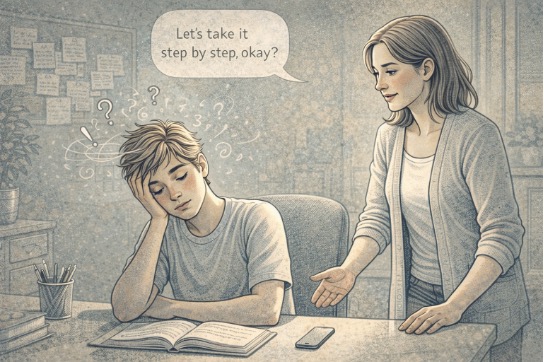
- Breaking tasks into smaller, manageable steps helps reduce overwhelm and gives teens a sense of progress they can build on.
- External structure, such as visual schedules and timers, supports executive function gaps that affect motivation in teens with ADHD.
- Positive reinforcement focused on effort rather than outcomes encourages teens to keep trying, even after setbacks.
- Mission Prep Healthcare offers teen-focused mental health programs with evidence-based therapies like CBT and DBT designed for adolescents aged 12 to 17.
Why Does Motivation Look Different for Teens with ADHD?
Five practical techniques can help motivate a teen with ADHD: breaking tasks into small steps, using timed work intervals, offering immediate rewards, praising effort over outcomes, and collaborating on goals. Each one works with how the ADHD brain functions rather than against it, helping teens build habits that stick without constant reminders or conflict.
The challenge runs deeper than typical teenage resistance. ADHD affects the brain’s executive functions, including the ability to plan ahead, regulate emotions, and sustain attention on tasks that lack immediate rewards. A teen with ADHD may genuinely want to complete homework, chores, or personal goals but struggle to initiate or follow through. These five strategies directly address that gap.
1. Break Tasks into Smaller, Concrete Steps
One of the biggest motivation killers for teens with ADHD is feeling overwhelmed by a task that seems too large or vague. “Clean your room” or “study for your test” can feel paralyzing because the teen may not know where to begin.
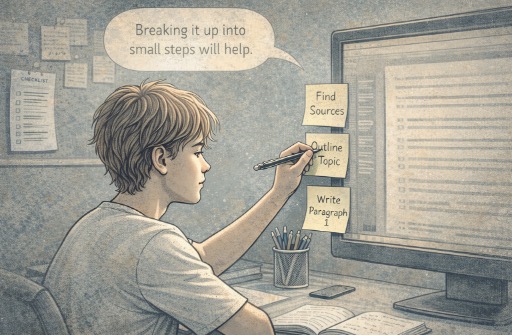
Instead, break tasks down into specific, bite-sized actions. Rather than “study for your biology test,” try “read the next two pages and highlight a few key terms.” Each small step provides a clear starting point and a built-in sense of accomplishment once completed. Over time, this approach trains the teen to mentally break down tasks on their own, building a skill that supports motivation well beyond adolescence.
Writing these steps down on a whiteboard or sticky notes adds a visual component, which many teens with ADHD respond to better than verbal instructions alone.
2. Use Timers and Structured Work Intervals
Teens with ADHD often have difficulty estimating how long tasks will take, which can make any assignment feel endless. Timers solve this by turning an open-ended task into a contained, predictable block of time.
A simple approach is the “work sprint” method: set a timer for 15 to 20 minutes of focused work, followed by a 5-minute break. Knowing a break is coming soon makes it easier for a teen to push through a task, and the ticking timer adds a mild sense of urgency that can help sustain focus.
This technique works for homework, household chores, and even creative projects. The key adjustment is to keep work intervals short at first and gradually increase them as the teen builds stamina. Avoid making the intervals so long that the teen checks out before the timer goes off.
3. Offer Immediate, Meaningful Rewards
The ADHD brain has a harder time connecting present effort to future payoff. Telling a teen that studying now will help their GPA months from now may not be enough to motivate them to get started today. Immediate rewards close that gap.
Rewards do not need to be expensive or elaborate. Extra screen time, choosing what the family has for dinner, or earning points toward something the teen wants can all serve as effective motivators. The reward should come right after the task is completed, reinforcing the connection between effort and positive outcomes.
Over time, as these habits become more automatic, external rewards can be scaled back. In the early stages, though, a tangible, immediate payoff gives the ADHD brain the hook it needs to get started.
4. Focus on Effort-Based Praise
How parents and caregivers respond to a teen’s work matters more than many people realize. Praise that centers on outcomes (“You got an A!”) can unintentionally increase anxiety about future performance. For a teen with ADHD who may not always achieve top results despite genuine effort, this kind of feedback can feel discouraging.
Effort-based praise shifts the focus to the process. Statements like “I noticed you sat down and started your homework without being asked” or “You stuck with that assignment even though it was frustrating” validate the teen’s work ethic rather than just the result. This type of reinforcement builds internal motivation because the teen learns that their effort has value regardless of the outcome.
Effort-based praise only works when it shows up consistently. If it’s occasional, it loses its impact. Making it a regular part of daily interactions helps the teen internalize the message.

5. How Can Collaborating on Goals Help a Teen with ADHD?
Teens with ADHD are more likely to follow through on plans they helped create. Top-down rules and schedules imposed without their input often feel controlling, which triggers resistance rather than cooperation.
Sitting down with your teen to co-create a weekly schedule or set personal goals gives them ownership over their own time. Ask questions like “What time of day do you feel most focused?” or “What would make homework time easier for you?” Their answers might surprise you, and incorporating their preferences increases buy-in.
This collaborative approach also teaches self-advocacy and planning skills. A teen who practices setting realistic goals with parental support is better prepared to manage their time independently as they grow older. The goal is gradual independence, not perfection.
How Mission Prep Healthcare Supports Teens with ADHD

At Mission Prep Healthcare, we understand that teens with ADHD often face mental health challenges that go beyond motivation, including anxiety, depression, and emotional regulation difficulties. Our programs are built specifically for adolescents aged 12 to 17, with therapeutic approaches designed for how teens think, learn, and grow.
We offer residential, outpatient, and virtual programs so families can find the right level of support for their teen’s needs. Our therapies include CBT and DBT, both of which help teens develop practical coping skills, build emotional regulation, and address the executive function challenges that come with ADHD. Every teen in our care also receives academic support, so treatment does not mean falling behind in school.
Families are central to our approach at Mission Prep Healthcare. Weekly family therapy sessions and ongoing communication help parents learn strategies to reinforce the progress their teen makes in treatment at home. Our licensed, home-like settings in California, Minnesota, and Virginia provide a structured, comfortable environment where teens feel safe enough to do the hard work of building new habits and resilience.
Frequently Asked Questions (FAQs)
Does ADHD make teens lazy?
No. ADHD affects the brain’s ability to regulate attention and initiate tasks, which can look like laziness from the outside. Teens with ADHD often want to complete tasks but lack the neurological support to get started or stay on track consistently.
Can therapy help a teen with ADHD improve motivation?
Yes. Therapies like CBT teach teens practical strategies for managing time, breaking down tasks, and challenging negative thought patterns that reduce motivation. A trained therapist can also address co-occurring anxiety or depression that may compound the problem.
Should I remove privileges to motivate my teen with ADHD?
Punishment-based approaches tend to backfire with ADHD. Removing privileges increases frustration without teaching the teen how to do better. Reward-based systems that reinforce positive behavior are generally more effective for long-term habit building.
At what point should I seek professional help for my teen’s ADHD?
If your teen’s motivation challenges are affecting their grades, relationships, or emotional well-being despite consistent home strategies, professional support can help. A mental health professional experienced with ADHD can provide targeted interventions.
What makes Mission Prep Healthcare different for teens with ADHD?
Mission Prep Healthcare focuses exclusively on adolescents aged 12 to 17 and offers evidence-based therapies like CBT and DBT in a structured, home-like setting. We integrate academic support and family involvement into every treatment plan, helping teens build skills that last beyond their time in our care.