

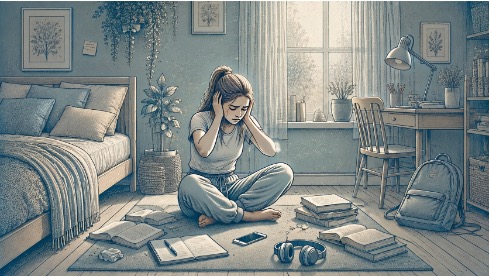
Key Takeaways
- Overstimulation in teens shows up through emotional outbursts, withdrawal, physical fatigue, sleep issues, and trouble focusing on daily tasks.
- Sensory overload often stems from social pressure, school demands, constant screen use, and home environments with too much noise or activity.
- Helping a teen recover means creating quiet downtime, reducing screen exposure, and teaching grounding techniques to manage rising stress levels.
- Persistent overstimulation can signal anxiety, sensory sensitivity, or other mental health concerns that often benefit from professional support.
- At Mission Prep, we offer specialized teen-focused therapy programs that address overstimulation through Cognitive Behavioral Therapy (CBT), Dialectical Behavior Therapy (DBT), and personalized family-centered care.
Reading the Signs of an Overloaded Teen
The five most common signs of overstimulation in teens are sudden emotional outbursts, withdrawal or shutdown, physical symptoms like headaches and fatigue, sleep disturbances, and trouble focusing on daily tasks. Each one tends to look like ordinary teen moodiness on the surface, which is part of why parents often miss what’s actually happening underneath.
Overstimulation happens when a teen’s nervous system takes in more sensory, social, and emotional input than it can process at once. The five signs are how that overload spills outward, and they tend to cluster together rather than appear in isolation. Helping a teen recover starts with lowering sensory input, protecting downtime across the week, and teaching simple grounding techniques they can use on their own. When the patterns last for weeks or start interfering with school, friendships, or sleep, outpatient therapy gives teens the tools to regulate their nervous systems before overload turns into burnout or anxiety.
We’ll break down each of the five signs in detail below, along with the practical steps you can use at home today. For families whose teens’ symptoms have persisted for weeks, Mission Prep offers specialized teen-only residential and outpatient mental health care built specifically for adolescents ages 12 to 17, with evidence-based therapies delivered in calm, home-like settings.
5 Signs of Overstimulation in Teens
1. Sudden Emotional Outbursts & Irritability
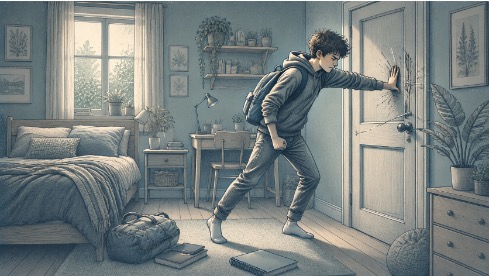
One of the clearest signs of overstimulation is a sharp shift in mood. A teen who was fine an hour ago might suddenly snap at a sibling, slam a door, or cry over something small. The nervous system is firing off a distress signal.
These outbursts often arrive after long school days, busy events, or extended screen time. They usually feel as confusing to your teen as they do to you. The reaction reflects the day’s accumulated input rather than the immediate trigger.
If outbursts cluster around predictable times, such as the end of the school week, you can plan recovery time before they occur. Even small adjustments to the schedule can keep these moments from spiraling into bigger conflicts.
2. Withdrawing or Shutting Down
Some teens pull away when they hit their limit. They retreat to their bedroom, stop responding to questions, or stare blankly at a wall. This is the brain pulling the emergency brake to stop more input from coming in.
Shutdown looks different from typical teen privacy. You may notice flat affect, monosyllabic answers, or your teen sleeping at odd hours of the afternoon. Treat it as a recovery signal rather than rudeness or disinterest.
The right response is patience and quiet presence, not pressing questions. Once the system reboots, your teen usually returns to normal interaction on their own.
3. Physical Symptoms Like Headaches & Fatigue
Overstimulation affects the body as much as the mind. Common physical signs include tension headaches, stomachaches, jaw tightness, racing heart, and bone-deep tiredness. Teens often complain of feeling sick without a clear cause.
These symptoms appear because the stress response stays switched on too long. Cortisol levels stay elevated, and digestion, immunity, and energy all take a hit. If physical complaints cluster around busy school weeks or social events, sensory overload is likely part of the picture.
Track patterns over a few weeks. If the same complaints recur on the same kinds of days, you have useful data for both home support and any future therapy.
4. Sleep Disturbances & Restlessness
A wired-but-tired teen often struggles to fall asleep or stay asleep. They may scroll on their phone late into the night, wake at 3 a.m., or sleep heavily yet still feel exhausted. The nervous system stays activated long after the day ends.
Daytime restlessness is the flip side of that coin. Foot tapping, pacing, picking at skin, or constant fidgeting all point to a body that cannot find a baseline of calm. Both patterns are signals worth tracking carefully.
Sleep is the main way the teen brain consolidates memory and resets emotional balance, so disrupted sleep usually makes every other sign of overstimulation worse. Restoring a regular sleep window is often the fastest single intervention.
5. Trouble Focusing or Making Decisions
When the brain is overloaded, executive function suffers first. Your teen may forget assignments, freeze when asked simple questions, or feel paralyzed by small choices like what to eat for dinner. They are not being lazy or careless.
You might see them reread the same paragraph repeatedly or stare at their homework for an hour without making any progress. This mental fog is a protective response to too much input. Focus returns once the nervous system gets a real chance to recover.
If the focus problem persists across weeks rather than days, it may overlap with anxiety, depression, or attention difficulties that deserve a closer professional look. Catching these patterns early gives your teen a better path forward.
How to Help a Teen Through Overstimulation
1. Lower the Sensory Load Quickly
Start by cutting back input. Dim the lights, turn off background noise, and give your teen permission to step away from group activities. A short walk outside, a warm shower, or quiet time alone can reset the system within an hour.
Keep your own voice calm and your questions short. Long conversations and probing questions add more input at the worst possible moment. A simple offer of water, a snack, or a hug often does more than a discussion.
2. Build Predictable Downtime Into the Week
Recovery does not happen in five minutes between activities. Teens need protected pockets of low-stimulation time across the week. Block out evenings with no screens, no homework pressure, and no scheduled events.
Predictability matters as much as the rest itself. Knowing that Tuesday evening is a downtime night helps your teen pace themselves through the school day. Family meals without phones at the table also create natural recovery moments.
3. Track Triggers & Patterns
Keep a simple log of when overload hits. Note the day, time, what came before it, and how long recovery took. Patterns usually surface within two or three weeks.
You may find that certain classes, social settings, screen platforms, or family routines repeatedly trigger overload. With that information, you can adjust the schedule, limit specific exposures, or build recovery time into known stress points before they hit.
4. Teach Grounding & Breathing Techniques
Simple regulation tools give teens something to do when overload hits. Slow breathing, the 5-4-3-2-1 sensory exercise, gentle stretching, or stepping outside for fresh air can all calm an overactive nervous system within minutes.
Practice these tools during calm moments first. A skill learned in crisis rarely sticks, but one rehearsed in safe settings becomes a real coping tool. Walk through them with your teen so they feel comfortable using the methods on their own.
5. Know When to Seek Outpatient Therapy
Occasional overstimulation is normal. Frequent shutdowns, ongoing sleep problems, or rising anxiety that interferes with school, friendships, or self-care signal something bigger. These patterns can point to anxiety disorders, sensory processing issues, trauma responses, or mood conditions.
Outpatient therapy gives teens tools to regulate their nervous systems without disrupting daily life. Approaches like CBT, DBT, and Eye Movement Desensitization and Reprocessing (EMDR) all work well, and many adolescents see real progress without medication. Family therapy can also help everyone at home shift the patterns that fuel overload, which strengthens recovery across the board.

Signs of Overstimulation in Teens: Summary Table
| Sign | What It Looks Like | Quick Help at Home |
| Emotional outbursts | Snapping, slamming doors, crying over small things | Stay calm, give space, lower input |
| Withdrawal or shutdown | Silent, flat, hiding in the room, monosyllabic answers | Allow quiet, offer presence without pressure |
| Physical symptoms | Headaches, fatigue, stomach upset, racing heart | Rest, hydration, sensory break |
| Sleep disturbances | Trouble falling asleep, 3 a.m. waking, daytime restlessness | Wind-down routine, screen-free evenings |
| Focus problems | Forgetfulness, decision paralysis, mental fog | Reduce demands, simplify choices, and reduce downtime |
How Mission Prep Supports Overstimulated Teens

Overstimulation in teens is more common than most parents realize, and the five signs above tend to cluster together when input outpaces recovery. Lower the sensory load early, protect sleep, and teach your teen grounding tools they can use independently. If the patterns persist for weeks and begin to interfere with school, friendships, or family life, structured therapy can give your teen a clearer path back to balance.
At Mission Prep, we work exclusively with teens aged 12 to 17 across California and Virginia, offering residential, outpatient, and virtual programs built around CBT, DBT, and EMDR. Our small, home-like settings, integrated academic support, and weekly family therapy help adolescents regulate their nervous systems and bring lasting calm back home.
Frequently Asked Questions (FAQs)
Can overstimulation cause panic attacks in teens?
Yes. When sensory and emotional input outpaces the nervous system’s ability to cope, a panic attack can follow. Symptoms include rapid heartbeat, shortness of breath, dizziness, chest tightness, and a sense of dread. Tracking what precedes the attacks often reveals overstimulation as a major trigger, especially after long school days or heavy social events.
Is teen overstimulation the same as ADHD or autism?
No, though there is overlap. Teens with ADHD or autism often experience sensory overload more frequently and intensely because of how their brains process input. Overstimulation alone, without other developmental signs, does not mean a teen has either condition. A clinical assessment from a qualified therapist or psychiatrist can clarify what is driving the symptoms.
How long does it take a teen to recover from sensory overload?
Recovery time varies. A short overload may pass within 30 minutes of quiet rest, while a deeper overload can take a full day or longer. Sleep, hydration, low-stimulation environments, and emotional safety all speed the process. Repeated overload without proper recovery time leads to burnout, which is much harder to bounce back from.
Can social media worsen teen overstimulation?
Yes. Constant notifications, fast-paced video content, and social comparison keep the brain in a state of low-grade alert. Heavy use late at night also disrupts sleep, which is one of the main ways teens reset their nervous systems. Setting daily screen limits and screen-free hours before bed helps reduce ongoing sensory load.
How does Mission Prep support teens dealing with chronic overstimulation?
At Mission Prep, we offer teen-only residential, outpatient, and virtual programs across California and Virginia. Our therapists use CBT, DBT, EMDR, and TMS to help adolescents regulate their nervous systems while continuing schoolwork. Family therapy and structured transitions back home help maintain progress after treatment ends, so improvements last beyond the program.








