
Key Takeaways
- Teens often hide emotional pain behind facades of confidence, rebellion, or indifference, making trauma hard to recognize.
- Trauma can show through extreme mood swings, withdrawal, sleep disturbances, physical complaints, declining academics, and self-destructive behaviors, especially when multiple signs appear together.
- Childhood trauma can physically alter the developing brain, affecting emotional regulation, decision-making, and stress responses, which may lead to impulsive or risky behaviors.
- Recovery involves integrating traumatic experiences into a teen’s life story, building resilience, and developing healthy coping skills, rather than erasing the trauma.
- Mission Prep Teen Treatment offers structured, trauma-informed programs that combine evidence-based therapies, family support, and creative approaches to help teens process trauma, regain emotional balance, and thrive.
Silent Suffering: Why Childhood Trauma Often Goes Unnoticed in Teens
Teenagers are often masters of disguise. Many learn to conceal deep emotional pain behind facades of confidence, rebellion, or indifference, behaviors that can easily be mistaken for “normal” adolescence. This ability to mask distress makes recognizing trauma-related struggles especially difficult.
Unlike younger children, who might express pain through tantrums or regression, teens tend to internalize their emotions or express them in ways adults misinterpret.
A teenager retreating to their room might not simply be seeking independence. They could be avoiding triggers or struggling to manage intense, overwhelming feelings. Similarly, an angry outburst might not be mere defiance but a trauma response triggered by feelings of fear, shame, or vulnerability.
The teenage brain is still developing vital executive functions such as emotional regulation, decision-making, and impulse control. Trauma can disrupt these developmental processes, amplifying everyday challenges and making it harder for teens to cope.
When adults overlook these signs or dismiss them as hormonal changes or “attitude problems,” critical opportunities for early intervention and healing are lost. Recognizing the hidden impact of trauma is the first step toward helping teens feel seen, supported, and safe.
12 Warning Signs of Childhood Trauma in Teenagers
Every teen responds to trauma differently, but certain emotional and behavioral patterns often emerge. While some overlap with typical adolescence, it’s the intensity, persistence, and combination of these signs that often point to deeper, unresolved trauma.
1. Extreme Mood Swings and Emotional Outbursts
Normal teen moods can fluctuate, but trauma-affected teens often experience sudden, intense emotional shifts that seem out of proportion to the situation. Calm moments can quickly turn to anger, fear, or detachment, often triggered by subconscious reminders of past trauma.
2. Social Withdrawal and Isolation
Teens coping with trauma may pull away from friends, hobbies, and social events they once loved. This withdrawal can be a way to feel safe or avoid emotional pain but often deepens loneliness and slows recovery.
3. Sleep Disturbances and Nightmares
Because the mind processes trauma during rest, sleep problems are especially common. Teens may have nightmares, insomnia, or irregular sleep patterns, staying up late or oversleeping to escape distressing thoughts. These patterns can worsen mood and concentration.
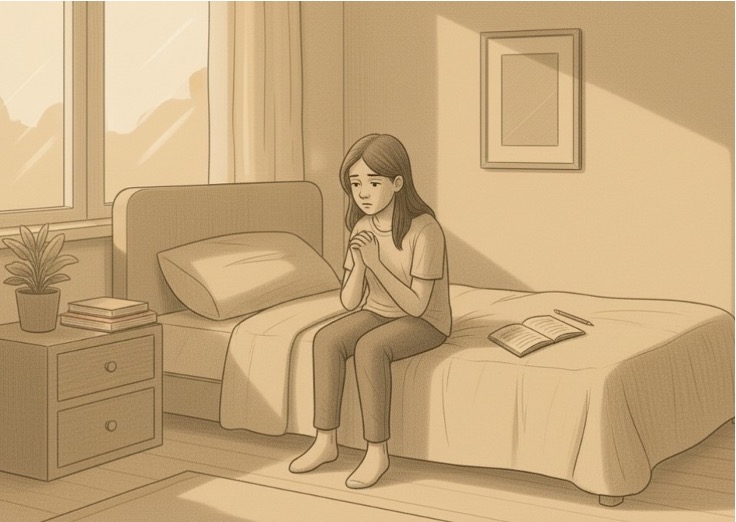
Even subtle withdrawal or isolation can indicate deeper emotional struggles in teens.
4. Persistent Physical Complaints Without Medical Cause
Unresolved trauma often manifests physically. Teens may report headaches, stomach aches, fatigue, or muscle tension with no clear medical explanation. These symptoms are real and often linked to chronic stress or the body’s ongoing “fight-or-flight” response.
5. Declining Academic Performance
Trauma can severely impact focus, memory, and motivation, leading to falling grades or disinterest in school. Teens might seem distracted or detached, not because they don’t care, but because their energy is consumed by emotional survival.
6. Hypervigilance and Startling Easily
A teen exposed to trauma may remain in a constant state of alertness, scanning for potential danger. They may startle easily at noises or physical proximity and have difficulty relaxing or feeling safe even in calm environments.
7. Avoidance of Specific Places, People, or Activities
Avoidance is a key trauma response. Teens may steer clear of locations, people, or activities that remind them of distressing experiences. This can limit their participation in daily life or social growth, reinforcing feelings of fear or helplessness.
8. Self-Destructive Behaviors
Some teens turn emotional pain inward through risky or self-harming actions such as substance use, reckless behavior, or self-injury. These are often coping mechanisms to numb pain, not acts of rebellion or attention-seeking.
9. Difficulty with Trust and Relationships
Trauma can shatter a young person’s sense of safety and reliability in others. Teens may struggle to form or maintain relationships, oscillating between emotional closeness and withdrawal. Trust issues often reflect fear of being hurt again.
10. Intrusive Thoughts and Flashbacks
Trauma memories can surface unexpectedly through vivid recollections, intrusive thoughts, or flashbacks. These moments can be disorienting and make teens feel as if the event is happening again, causing panic or emotional shutdown.
11. Changes in Eating Habits
Stress and trauma often affect appetite and digestion. Some teens may overeat for comfort, while others lose interest in food altogether. Sudden weight changes or irregular eating patterns can be subtle signs of deeper distress.
12. Intense Worry and Separation Anxiety
Teens who have experienced trauma may show heightened anxiety, especially when separated from loved ones or routines. Fear of abandonment or harm can lead to clinginess, panic attacks, or an overwhelming need for reassurance.
How Trauma Affects Teen Brain Development
Childhood trauma doesn’t just influence emotions and behavior; it can physically reshape the developing teenage brain. During adolescence, key brain regions responsible for impulse control, emotional regulation, and decision-making undergo rapid growth. When trauma interrupts this process, it can lead to long-term changes in how the brain functions.
The Neurobiological Impact
Research has consistently shown that childhood trauma can significantly alter the developing adolescent brain, particularly affecting regions involved in memory, emotion regulation, and decision-making.
Studies have found that trauma exposure is associated with reductions in hippocampal volume, which is crucial for memory and learning processes. For instance, one study found that adolescents with a history of childhood trauma exhibited smaller volumes in various subregions of the hippocampus, amygdala, and cortical limbic structures.
Understanding these brain changes allows adults to respond with compassion, not punishment, when teens act out or make poor choices.
Emotion Regulation Challenges
Trauma can reset a teen’s emotional thermostat, making it difficult to identify, express, or manage feelings. Some teens appear emotionally numb; others swing between intense anger, sadness, or anxiety. These patterns reflect disrupted communication between the brain’s emotional and rational centers.
Why Some Teens Hide Their Symptoms
Many traumatized teens become skilled at masking their pain. Some fear being judged or rejected, while others hide symptoms out of shame or to protect loved ones from worry. Their silence often reflects learned survival, not resilience, a coping strategy developed when vulnerability once felt unsafe.
When Normal Teen Behavior Isn’t Normal: Spotting the Differences
For parents and educators, one of the biggest challenges is distinguishing typical adolescence from trauma responses. Mood swings, boundary testing, and the desire for independence are normal parts of growing up, but when these behaviors become intense, prolonged, or disruptive, they may signal deeper distress.
1. Duration and Intensity of Symptoms
Typical teen emotions are short-lived and situation-based. A disagreement with friends or stress over exams might cause temporary irritability or sadness. Most recover within a few days. In contrast, trauma-related emotions often linger for weeks or months, showing up as chronic anger, numbness, or deep sadness that doesn’t seem to improve.
Behavioral changes also follow this pattern. While most teens experiment with new identities or moods, a traumatized teen may abruptly abandon hobbies, isolate from loved ones, or engage in escalating risky behaviors like substance use or self-harm. When emotions or actions remain intense, persistent, and resistant to support, trauma may be influencing their behavior.
2. Context Matters
Normal adolescent reactions usually have clear triggers and resolve once the issue passes, like stress fading after exams or conflict resolution with peers. Trauma responses, on the other hand, often appear out of context or disproportionate to what’s happening.
A teen might panic over minor criticism, shut down in certain environments, or overreact to harmless sounds, smells, or expressions. These are often trauma reminders, subconscious cues that reignite the body’s fight-or-flight response.
3. Clustering of Multiple Signs
Occasional irritability or disinterest is normal, but trauma tends to create patterns across multiple areas of life. Emotional struggles may coincide with academic decline, social withdrawal, physical complaints, or impulsive behavior. When signs appear together and persist across settings, at school, home, and socially, it suggests a deeper emotional wound rather than isolated stress.
Treatment Options That Actually Work
Every traumatized teen heals differently, but certain evidence-based therapies have shown strong success in helping adolescents process and recover from trauma. The most effective treatment plans often combine multiple approaches, addressing both the mind and body.

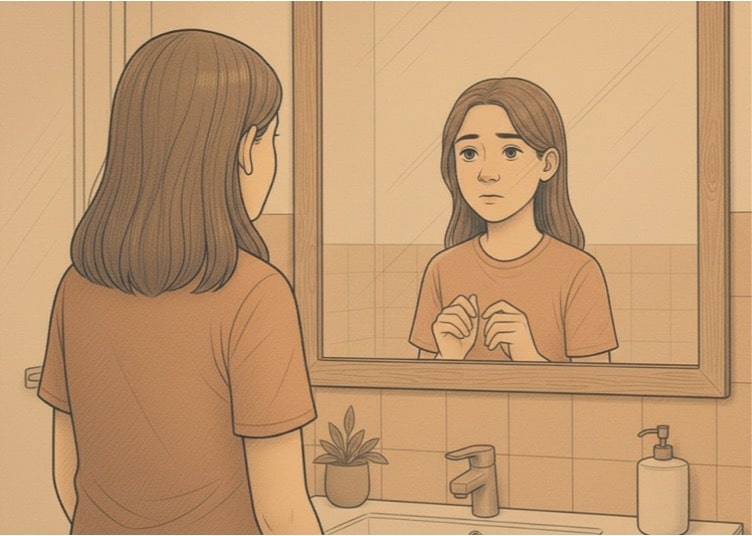
Small moments of reflection, like journaling or drawing, can help adolescents process complex emotions safely.
Trauma-Focused Cognitive Behavioral Therapy (TF-CBT)
Trauma-Focused Cognitive Behavioral Therapy (TF-CBT) is widely recognized as an effective treatment for children and adolescents affected by trauma. One study concluded that TF-CBT is an effective treatment for pediatric post-traumatic stress symptoms, depressive, anxiety, and grief.
Eye Movement Desensitization and Reprocessing (EMDR)
EMDR uses gentle bilateral stimulation—often guided eye movements—to help the brain reprocess “stuck” trauma memories. It’s especially useful for teens who find traditional talk therapy difficult or overwhelming.
Other Effective Approaches
- Dialectical Behavior Therapy (DBT): Builds mindfulness, distress tolerance, and emotional regulation.
- Art and Expressive Therapies: Allow nonverbal processing of trauma through creativity.
- Somatic and Body-Based Therapies: Help release stored tension and reconnect body awareness.
- Group Therapy: Provides community and shared understanding among trauma-informed peers.
- Family Therapy: Repairs strained relationships and rebuilds trust at home.
Mission Prep: Guiding Teens from Trauma to Resilience
Healing from childhood trauma is challenging, but teens don’t have to face it alone. Mission Prep offers specialized programs designed to support adolescents in processing traumatic experiences while building the skills they need to thrive.
Our evidence-based approach combines therapies such as CBT, DBT, and EMDR with creative and experiential methods like art therapy, somatic work, and structured group programs. This integrated model addresses both the emotional and physiological impacts of trauma, helping teens regain emotional regulation, coping skills, and a sense of safety.

Mission Prep helps teens process trauma in a safe, supportive, and structured environment.
Family involvement is central to our approach. Through family therapy and guided education programs, we strengthen relationships and foster supportive environments that reinforce healing at home. Academic continuity is also prioritized so that teens can maintain their studies while focusing on recovery.
At Mission Prep, the goal is more than coping; it’s transformation. Teens are guided to integrate their experiences, build resilience, and reclaim agency over their lives, breaking cycles of trauma and preparing for a healthier, more empowered future.
Frequently Asked Questions (FAQs)
Can childhood trauma appear suddenly in the teen years, even if it happened earlier?
Yes. Trauma symptoms can remain dormant during childhood and emerge or intensify during adolescence. This may happen due to cognitive growth, new developmental challenges like relationships, or increased stress that overwhelms previously effective coping mechanisms. Even early-life trauma, including experiences before conscious memory formation, can influence teen behaviors and emotions.
Should I tell my teen I think they’re showing signs of trauma?
Approach this carefully. Rather than labeling or diagnosing, open a conversation about how difficult experiences can affect current feelings and behaviors. Share relatable resources or observations and focus on specific behaviors and your care, not in clinical terms. Be prepared for denial or anger and respect their readiness to engage.
What if my teen refuses help or denies experiencing trauma?
Resistance is common due to shame or fear of vulnerability. Start by addressing disruptive symptoms such as sleep issues, stress, or academic challenges. Build trust and safety, and consider involving a trusted adult outside the family if needed. Even if teens aren’t ready for formal therapy, creating a trauma-informed environment at home supports gradual healing.
Is it normal for teens to hide their trauma symptoms?
Yes. Many teens mask their pain to avoid judgment, shame, or burdening others. Secretive behavior, sudden isolation, or deflecting conversations about feelings can be protective strategies, not defiance. Building trust and creating a safe environment encourages gradual disclosure.
Can childhood trauma be completely healed?
Healing doesn’t mean erasing the trauma. The goal is integration, helping teens incorporate their experiences into their life story without being controlled by them. With the right support, symptoms like nightmares or flashbacks can diminish, and teens can re-engage fully in relationships, academics, and future planning. Programs like Mission Prep provide a structured, trauma-informed environment where adolescents receive evidence-based therapies, family support, and holistic care, helping them move from surviving to thriving.