
Key Takeaways
- Social anxiety in teen girls involves a persistent, disruptive fear of social situations that goes well beyond normal shyness or adolescent self-consciousness.
- The key signs include avoiding social situations, physical complaints tied to social events, fear of embarrassment, pulling away from friends, and trouble speaking up in public.
- Teen girls are skilled at masking anxiety, which means parents often misread symptoms as moodiness, introversion, or a passing phase that does not require attention.
- Evidence-based therapies like Cognitive Behavioral Therapy (CBT) and Dialectical Behavioral Therapy (DBT) treat social anxiety effectively in adolescents, and many teens improve significantly without relying on medication.
- Mission Prep Healthcare offers residential, outpatient, and virtual mental health programs built specifically for teens aged 12 to 17, including focused support for social anxiety.
When Shyness Becomes Something More
Social anxiety in teen girls shows up in patterns that are easy to confuse with ordinary teenage behavior. A girl who avoids social events, complains of stomachaches before school, or has quietly stopped spending time with friends may not simply be going through a phase. These are often early signs of social anxiety, and recognizing them early gives parents a real opportunity to get their daughter the right support.
Because teen girls are skilled at masking distress, the signs can go unnoticed for months. The five most common signs are covered below: what each one looks like in everyday life, and what treatment can realistically achieve.
5 Signs of Social Anxiety in Teen Girls
1. Consistent Avoidance of Social Situations
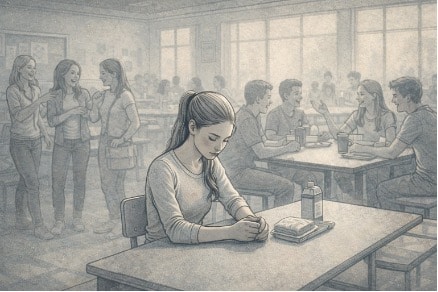
A teen girl with social anxiety finds repeated reasons to avoid situations involving other people, and the pattern grows more rigid over time. This goes beyond occasionally preferring a quiet evening at home. It shows up as making excuses to skip school events, turning down invitations, quietly stepping away from extracurricular activities she once enjoyed, and resisting outings that previously felt routine.
The avoidance is driven by a fear of being watched, judged, or humiliated in front of others. Each time she avoids a feared situation, the anxiety gets short-term relief but grows stronger in the long run. Parents may notice that their daughter has gradually stopped participating in activities she used to love, or that her social world has shrunk considerably over the past few months, without a clear reason.
2. Physical Complaints Before or During Social Events
Social anxiety produces real physical symptoms, and this is a sign that is easy to overlook or attribute to other causes. Many teen girls with social anxiety experience stomachaches, nausea, headaches, trembling, or a racing heartbeat before attending school, peer gatherings, or any situation where they feel they are being observed or evaluated.
These symptoms are not exaggerations. The body responds to social fear by triggering a stress response that feels physically genuine. The most telling indicator is timing: the symptoms appear before social situations and fade once the event has passed or been avoided. If your daughter regularly feels ill on Sunday evenings before the school week starts, or before any social obligation, and then recovers quickly once the moment has passed, anxiety is worth considering as the underlying cause.
3. Intense Fear of Being Embarrassed or Judged
Teen girls with social anxiety often carry a relentless worry about what others think of them. They may replay conversations for hours after they happen, certain they said something awkward or came across badly. They may refuse to eat in front of others, raise their hands in class, use a shared school restroom, or join activities where they might be watched and evaluated by peers.
This goes beyond the self-consciousness most teenagers experience. For most teens, social awkwardness fades once a situation ends. For a teen with social anxiety, the worry lingers and compounds. She may grow increasingly self-critical after any social interaction, picking apart her own words and actions long after the moment has passed. Over time, this pattern steadily erodes her self-esteem and makes her less willing to engage socially.
4. Withdrawing from Friends & Social Life
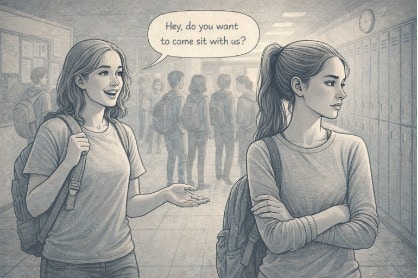
Pulling away from friendships is among the more serious warning signs parents should take seriously. A teen girl with social anxiety may stop responding to messages, cancel plans repeatedly, and decline invitations until they stop arriving. She may spend most of her free time alone and show little interest in spending time with people outside the home.
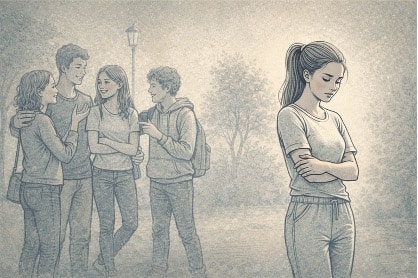
This withdrawal is typically a coping response rather than a lifestyle choice. It is a way to escape the distress that social interaction triggers. Isolation tends to deepen anxiety over time, increases the risk of depression, and leaves the teen without the peer relationships that are central to healthy adolescent development. Parents may notice a daughter who once had an active social life becoming increasingly hard to reach or disengaged from friendships she previously cared about.
5. Difficulty Speaking Up at School or in Public
Many teen girls with social anxiety struggle with everyday tasks that require being seen or heard by others. Asking a teacher a question after class, ordering food at a restaurant, contributing to a group discussion, or calling to schedule an appointment can all feel genuinely overwhelming in ways that go well beyond ordinary reserve.
At school, this often looks like disengagement or low participation. Teachers may describe the student as quiet or uninterested. In reality, she may be experiencing real distress during activities her classmates take for granted. If your daughter consistently dreads class presentations, group work, or being called on by a teacher, and that dread is noticeably more intense than typical nerves, it is worth paying close attention to the broader pattern.
Getting Support for Teen Social Anxiety at Mission Prep Healthcare

If your daughter shows several of the signs described above, a professional evaluation is a practical and important next step. At Mission Prep Healthcare, we specialize in mental health treatment for teens aged 12 to 17, and every program we offer is built specifically for adolescents rather than adapted from adult care models.
We offer residential, outpatient, and virtual programs so families can access the level of care that best meets their daughter’s current needs. Our therapists use CBT, DBT, and EMDR, delivered in a structured, supportive setting that keeps teens connected to their academics and families throughout treatment. At Mission Prep, family therapy, regular communication, and structured transition planning are built into care from the start.
Frequently Asked Questions (FAQs)
Is social anxiety in teen girls different from shyness?
Yes. Shyness is a personality trait that does not typically disrupt daily life. Social anxiety is a clinical condition involving persistent fear that causes genuine distress and leads to avoidance. A shy teen can usually attend social events and maintain friendships despite feeling nervous. A teen with social anxiety may find those same situations genuinely overwhelming and go out of her way to avoid them.
At what age does social anxiety typically appear in girls?
Social anxiety most often surfaces during the early to mid-teen years, though it can develop earlier. The social and academic pressures of middle and high school, including peer evaluation, group dynamics, and performance demands, tend to trigger or intensify symptoms. Girls between the ages of 12 and 16 are particularly likely to show early signs that warrant addressing before they become deeply ingrained avoidance patterns.
Can social anxiety in teen girls be treated without medication?
Many teens see meaningful improvement through therapy alone. CBT and DBT are both evidence-based approaches that directly address the thought patterns and avoidance behaviors behind social anxiety. A qualified mental health professional can evaluate your daughter and recommend the most appropriate course of care based on her specific history, taking a thoughtful approach that weighs all available options.
How should I talk to my daughter if I suspect she has social anxiety?
Start from a place of curiosity rather than diagnosis. Let her know you have noticed she seems stressed in certain situations and that you are there to help without pressure. Avoid pushing her into situations she is not ready for, and avoid allowing avoidance to continue unchecked over time. A professional evaluation gives both of you a clearer picture and opens the door to support without placing the entire burden of explanation on her.
How does Mission Prep Healthcare support teens with social anxiety?
At Mission Prep Healthcare, we provide age-specific mental health treatment for teens aged 12 to 17 at our locations in California, Minnesota, and Virginia. Our programs use CBT, DBT, and EMDR within a family-centered model that includes weekly family therapy and structured academic support throughout treatment. We offer residential, outpatient, and virtual care options, so families can find the right level of support for their daughter’s needs.