

Key Takeaways
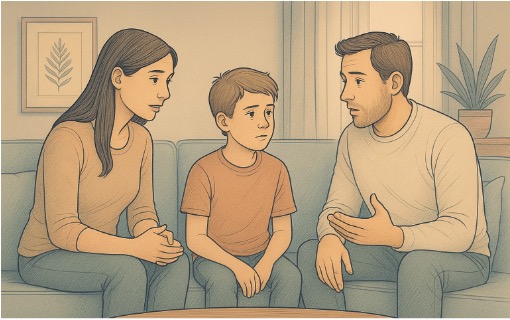
- Protecting a child’s mental health starts with open communication that helps them feel heard, understood, and comfortable discussing difficult emotions.
- Unstructured play supports creativity, independence, and problem-solving skills by giving children opportunities to explore and make decisions on their own.
- Consistent screen boundaries and healthy sleep routines improve mood, attention, emotional regulation, and overall well-being.
- Strong family relationships, positive friendships, regular physical activity, and nutritious eating habits create a foundation for long-term emotional health.
- Mission Prep Healthcare helps teens ages 12–17 strengthen their mental wellness through evidence-based therapies, family involvement, academic support, and personalized residential and outpatient treatment programs.
How to Protect Your Child’s Mental Health?
Five habits protect a child’s mental health: open communication, balanced play, screen and sleep limits, strong family relationships, and steady physical care. Pediatricians recommend 9 to 12 hours of nightly sleep for school-age kids, since consistent rest shapes mood, focus, and emotional regulation more than any single conversation ever could.
Each habit gets a clear breakdown below: how to listen during hard feelings, when to step back from scheduling, what screen rules actually stick, and which warning signs mean it’s time to call in professional help.
Through evidence-based therapies, academic support, and family-centered care, Mission Prep helps teens ages 12 to 17 develop the skills they need to navigate anxiety, depression, trauma, and other mental health challenges.
The five strategies below can help parents build a healthier emotional foundation at home while recognizing when professional guidance may be beneficial.
Strategy 1: Foster Open Communication & Emotional Validation
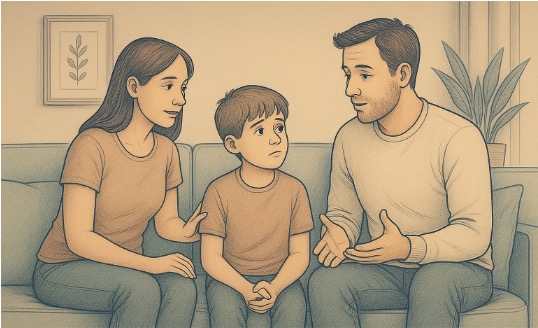
Creating an environment where children feel safe to share thoughts and emotions is fundamental to their mental health. When kids can come to you with problems or overwhelm, they build healthy coping skills and trust early.
Examples
Two skills do most of the heavy lifting: active listening and emotional validation. Both are simple to name and harder to practice at the moment.
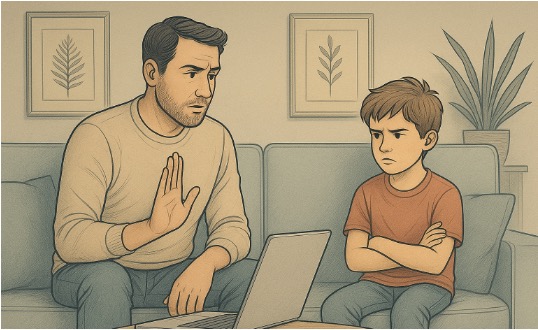
- Put devices down and give full attention. A closed laptop signals that this conversation matters more than anything else.
- Ask open-ended questions. Swap “Did you have a good day?” for “What was the best and worst part of today?”
- Reflect back what you hear. “Sounds like the group project felt unfair” lands harder than “I get it.”
- Validate before fixing. Try “You’re feeling frustrated, and that’s okay” before offering advice. Problem-solve only if they ask for help.
- Stay calm when they share hard things. Big reactions teach kids to share less next time.
Strategy 2: Create Structure While Allowing Unstructured Play
Rather than being a problem to fix, boredom is where kids learn creativity, critical thinking, and problem-solving. The more they practice entertaining themselves, the better they get. Aim for a balanced week: pick quality over quantity, leave real gaps for free play, and let kids choose how to fill them.
Unstructured play has no rules, scoreboard, or adult running the show, whether that’s building a fort or drawing for an hour. Set the stage and step back.
Examples
- Stock open-ended materials. Blocks, art supplies, and dress-up clothes invite invention, while single-purpose gadgets don’t.
- Resist directing the play. The less you steer, the more your child builds their own ideas.
- Let boredom and quiet count. Empty time isn’t wasted time because it often leads to the most inventive moments.
- Skip the photo or interruption. Save your reaction for when they come to show you.
Strategy 3: Establish Healthy Digital Boundaries & Sleep Routines
Screens and sleep work as a pair. When device use follows a clear routine and screens shut off before bed, kids fall asleep faster, sleep deeper, and wake up in better moods.
Examples
- Set fixed screen windows. Schedule 30 minutes after homework or one show on Saturday morning, so kids know what to expect instead of asking all day.
- Create screen-free zones. Keep bedrooms, dining tables, and the car device-free to protect sleep, mealtime talk, and attention spans.
- Use a visual timer. A sand or kitchen timer helps young kids see time running out and takes you out of the “bad guy” role.
- Watch with them when you can. You’ll spot what they’re absorbing and have something to talk about later.
- Stop screens one hour before bed. A device-free hour gives their brains time to settle.
- Build a simple bedtime routine. Following the same sequence each night, such as a bath, pajamas, a story, and lights out, helps signal to the body that it’s time to sleep.
- Keep bedrooms cool, dark, and quiet. A nightlight is fine. Blackout curtains and white noise help in louder homes.
- Get them outside during the day. Sunlight and active play support healthy sleep patterns at night.
- Skip sugar, caffeine, and big meals before bed. Even chocolate or sweet drinks within a few hours can keep kids wired.
Strategy 4: Build Strong Relationships and Social Connections
Strong relationships shape a child’s emotional well-being for life. Connections with family, peers, and community give kids emotional support, social skills, and a sense of belonging that protects mental health. Both sides matter: home and the world outside it.
Examples to Strengthen the Family Unit
Family is where kids first feel safe and seen. Small, repeated moments build more belonging than any big one-off event.
- Schedule regular family time. Shared meals, game nights, and weekend outings can strengthen family connections and provide a sense of stability.
- Practice active listening. Put phones down and reflect back on what your child shares.
- Build small traditions. Some examples include Friday pizza nights, Sunday walks, or a bedtime song.
- Show physical affection. While hugs and sitting close signal safety, follow your child’s comfort level.
- Resolve conflicts calmly. The way you handle disagreements models healthy relationships under stress.
Examples to Nurture Peer Connections
Friendships teach kids social skills that family can’t. Your job is to set up the conditions, not script the relationships.
- Encourage group activities. Sports, art classes, or library programs structure new friendships.
- Help with logistics. Drive playdates and keep kids connected to friends they like.
- Coach conflict in real moments. Walk them through a playground argument instead of solving it.
- Model empathy out loud. Narrate what others might feel (“She looked sad when no one sat with her”).
- Find smaller settings for shy kids. Remember that one-on-one playdates beat big crowds for softer entry points.
Strategy 5: Maintain Physical Health
What kids eat and how they move shapes mood, focus, and emotional regulation. Strong physical habits don’t replace mental health support, but they make every other strategy work better.

Examples
- Cut back on processed foods and sugar. They trigger the mood swings and energy crashes that wear down emotional regulation.
- Build physical activity into the week. Movement releases endorphins and eases anxiety better than almost any free intervention.
- Let your child pick the activity. A sport they enjoy builds self-esteem and sticks long-term.
- Make family movement regular. Weekend hikes, bike rides, or swimming turn exercise into shared time.
- Connect movement to sleep. Daytime activity helps kids fall asleep faster and more deeply.
Mental Health Warning Signs to Watch Out For
Some children still struggle even with strong habits. Watch for patterns past normal ups and downs. If something feels off for more than two weeks, take it seriously.
- Persistent sadness or irritability: Their mood remains low, negative, or unusually irritable for weeks at a time rather than improving after a few days.
- Dramatic mood swings: They experience emotional shifts that are much stronger than the situation would typically warrant.
- Pulling away from friends or activities: They lose interest in hobbies they once enjoyed or begin avoiding friends and social activities.
- Slipping school performance: Their grades, concentration, motivation, or overall academic performance decline noticeably.
- Increased aggression or defiance: They display unusual anger, hostility, or rule-breaking behaviors that are out of character for them.
When patterns last, reach out to your pediatrician, school counselor, or a licensed mental health professional who works with children. Asking for professional support is a sign of care, not failure.
5 Ways to Protect Your Child’s Mental Health: Summary Table
| Strategy | What to Do | Things to Keep in Mind |
| 1. Open Communication | Listen devices-down, ask open-ended questions, and validate before fixing. | Stay calm. Big reactions teach kids to share less next time. |
| 2. Unstructured Play | Leave weekly gaps for free play, stock open-ended materials, and step back. | Empty time isn’t wasted. Boredom often sparks the best ideas. |
| 3. Screens & Sleep Routines | Set fixed screen windows, stop devices an hour before bed, and build a routine. | Predictability beats banning. Watch for hidden caffeine in juice and chocolate. |
| 4. Strong Relationships | Schedule family time, build small traditions, support friendships, and model empathy. | Small daily moments matter more than big one-off events. |
| 5. Physical Health & Warning Signs | Limit sugar, encourage daily movement, and watch for patterns lasting over two weeks. | If something feels off, asking for help is a sign of care. |
How Can Mission Prep Help Strengthen Your Family’s Mental Wellness?
Five daily habits do most of the work: listening without fixing, protecting space for boredom, keeping screens and sleep predictable, building strong family and peer connections, and noticing changes early. These aren’t perfect parenting moves. They’re consistent ones, and steady consistency is what really shapes a child’s long-term mental health.
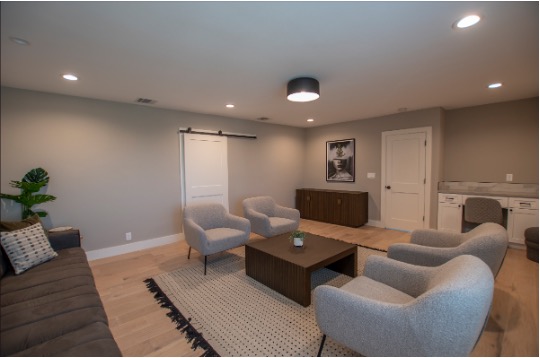
When daily strategies aren’t enough, professional support can help. At Mission Prep Healthcare, we treat teens ages 12 to 17 for various mental health conditions like anxiety, depression, trauma, and mood disorders. Our board-certified clinical team works in licensed, home-like settings, and we partner with the whole family throughout the recovery process. Start your teen’s recovery journey with Mission Prep Healthcare today.
Frequently Asked Questions (FAQs)
How to tell if my child has mental health issues?
Watch for persistent sadness, irritability, mood swings, social withdrawal, slipping grades, sleep or appetite changes, and unexplained headaches. Take hopelessness seriously and act on patterns lasting over two weeks.
What is the right balance between structure and free play?
Aim for quality over quantity in scheduled activities and leave real gaps for free play. Kids choosing their own free time builds autonomy, creativity, and self-regulation.
How much screen time is healthy for children and teenagers?
Focus on predictability, not full elimination. Set specific screen windows, keep bedrooms and dining areas device-free, and stop screens an hour before bed to protect sleep. Make sure screens don’t crowd out active, engaged time.
When should I be concerned about my child’s mental health?
Reach out to a professional when warning signs last for weeks, when symptoms interfere with daily life, or when concerns won’t go away. Contact your pediatrician, school counselor, or a licensed mental health professional. Asking for help is a sign of care.
What makes Mission Prep Healthcare different for teen mental health treatment?
Mission Prep Healthcare treats teens and the whole family together. Our board-certified team works in warm, home-like settings and combines proven therapies with modern clinical approaches. We focus on sustainable change and preparing teens for life beyond treatment.