
Key Takeaways
- The early signs of schizophrenia in adolescence often include social withdrawal, declining school performance, unusual thought patterns, emotional changes, neglected personal hygiene, and subtle perceptual disturbances.
- Schizophrenia symptoms rarely appear suddenly, as many teens experience gradual behavioral, emotional, and cognitive changes months or even years before psychosis develops.
- Early identification and assessment can improve long-term outcomes by helping teens receive support before symptoms significantly disrupt school, relationships, and daily functioning.
- Treatment typically combines professional evaluation, therapy, family involvement, educational support, and, when appropriate, medication to manage symptoms and promote stability.
- For teens showing early signs of schizophrenia, Mission Prep Healthcare offers residential, outpatient, and telehealth adolescent mental health programs with therapy, family care, and school support in one place.
What Are the Early Signs of Schizophrenia in Adolescence?
The early signs of schizophrenia in teens include social withdrawal, declining school performance, disorganized thinking, flat or inappropriate emotions, neglected hygiene, and unusual perceptual experiences. These shifts often appear two to four years before a first psychotic episode, making them easy to miss but critical to catch.
Most parents notice something is off well before they have a name for it. Understanding the warning signs of schizophrenia earlier can help parents, caregivers, and educators recognize when changes may require professional attention rather than being dismissed as typical teenage behavior.
At Mission Prep Healthcare, we help teens ages 12–17 who are experiencing complex mental health challenges through residential, outpatient, and telehealth programs. Using therapies such as CBT, DBT, and EMDR alongside family engagement and academic support, our team works to address symptoms while helping teens maintain progress in everyday life.
6 Early Warning Signs of Schizophrenia in Teens
Recognizing early changes in behavior, thinking, or emotions can make a significant difference in supporting teens at risk of schizophrenia. While these signs may seem mild or easy to overlook, they often emerge months or even years before more obvious symptoms appear.
Understanding what to watch for can help parents, teachers, and caregivers seek timely professional guidance.
1. Changes in Social Behavior & Withdrawal
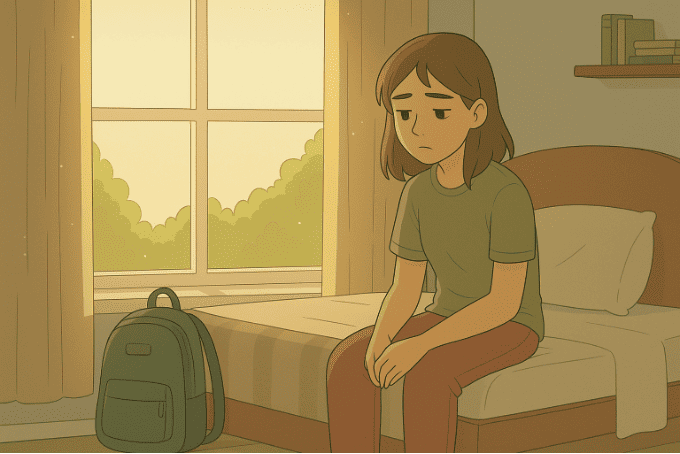
One of the earliest red flags is a sudden decline in social engagement. A once-active teen who withdraws from friends or activities may be showing more than normal mood changes. This withdrawal often appears months or even years before other symptoms.
Persistent disinterest in hobbies, sports, or social groups may signal something deeper than changing interests. Teens may feel disconnected from peers or find social interaction confusing, overwhelming, or even threatening. Some describe it as feeling like everyone around them is speaking a language they no longer understand.
Teens might also pull away from family, spending long hours alone or avoiding gatherings. Parents often describe them as “behind a glass wall”, physically present but emotionally distant. This isn’t typical teenage independence but a marked change in connection that warrants concern, especially when paired with other changes like sleep disruption or declining grades.
2. Declining School Performance
A drop in academic performance is another early sign, often tied to cognitive changes rather than effort. Research shows these difficulties can appear 2 to 4 years before clear psychotic symptoms.
Teens may lose focus easily, forget what they just read, or struggle to follow instructions. Working memory, holding and processing short-term information, often becomes impaired, frustrating students who once performed well.
Assignments and speech may become disjointed or hard to follow. Writing can appear tangential or illogical, reflecting changes in thought organization rather than carelessness or rushed work.
Arrange a private discussion with teachers to compare observations at home and school. Ask about participation, peer interaction, and quality of written work. Keeping records of these changes can support early evaluation if a referral becomes necessary.
3. Unusual Thought Patterns & Speech
Before delusions or hallucinations emerge, subtle disruptions in thinking may appear. Teens might express odd ideas, connect unrelated events, or hold beliefs that seem irrational.
They may assign special meaning to everyday events or believe they receive messages from the media. These convictions often cause distress or dysfunction, distinguishing them from typical teenage imagination.
Speech may wander between unrelated topics, include strange phrases, or feature made-up words. Writing can seem grammatically correct but illogical, an early sign of thought disorganization.
4. Emotional Changes
Emotional expression can change significantly in early schizophrenia. Expressions and tone may become noticeably muted. A teen may no longer laugh at jokes or respond warmly to affection, often seeming distant or “numb.”
Some teens laugh at distressing situations or remain expressionless during emotional moments, showing a disconnect between external events and inner emotional response.
They may stop enjoying favorite pastimes and seem easily frustrated. This loss of enjoyment, known as anhedonia, can accompany mood swings and restlessness, making it hard to distinguish from depression.
5. Decline in Personal Care
A marked decline in grooming or hygiene may indicate deeper cognitive or motivational changes. This isn’t typical adolescent neglect, as it’s often a sign of diminished self-awareness.
Teens might neglect showering, brushing teeth, or wearing clean clothes. Bedrooms and belongings can become unusually messy, showing reduced attention to personal or environmental order.
Irregular sleep patterns, staying up all night, excessive daytime sleepiness, or sleeping in fragmented cycles are common. Nighttime can heighten anxiety, intrusive thoughts, or sensory distortions, further disrupting rest.
6. Unusual Perceptual Experiences
Before hallucinations develop, many teens notice subtle distortions in how they see, hear, or feel the world around them. These sensations may be confusing but not yet fully psychotic.
Lights may appear brighter, sounds sharper, or familiar objects oddly distorted. These experiences often leave teens unsettled or fearful but unsure how to explain them.
Some teens describe feeling detached from themselves or as though their surroundings aren’t real. They might say, “It feels like I’m in a dream” or “I’m watching my life happen.” These sensations can be early indicators of perceptual instability.
Important Note on Psychosis
If a teenager is experiencing perceptual disturbances or early signs of psychosis, there are non-medication strategies that can help stabilize their experience. These include structured daily routines, reducing sensory overload, grounding techniques, consistent sleep schedules, and a calm, low-stress home environment. Therapy modalities such as Cognitive Behavioral Therapy (CBT) have also shown effectiveness in helping teens process and manage early psychotic experiences.
That said, psychosis is often a sign of a more complex underlying mental health diagnosis. In many cases, medication paired with therapy is necessary to achieve meaningful and lasting stability. A comprehensive professional evaluation is the most important first step to determine the right combination of care for your teen.
Without proper storage, semaglutide won’t work as effectively, meaning you may not see the results you expect from your treatment. Proper storage is only one part of safe medication management. In clinics that administer injectable treatments, using the best emr systems for IV therapy helps providers document administration records, monitor patient response, and maintain compliance with treatment protocols.
Top 6 Early Signs of Schizophrenia in Adolescence: Summary Table
| Sign | What to Look For |
| Social withdrawal | Pulling away from friends, family, and activities, often months or years before other symptoms appear |
| Declining school performance | Trouble with focus, memory, and organizing thoughts, sometimes 2 to 4 years before psychosis |
| Unusual thoughts and speech | Magical thinking, odd beliefs, disorganized communication, or made-up words |
| Emotional changes | Flat affect, muted reactions, irritability, or loss of enjoyment in favorite activities |
| Decline in personal care | Neglected hygiene, unusually messy spaces, and disrupted or fragmented sleep |
| Unusual perceptions | Brighter lights, sharper sounds, distorted objects, or feeling detached from reality |
How Can You Approach Your Teen If You Notice These Signs?
Discussing potential schizophrenia requires sensitivity and care. Your approach can determine if your teen feels safe enough to share their experiences and be receptive to seeking help. Many symptoms are confusing or frightening, so reassurance, not judgment, is important.
The goal isn’t to diagnose but to open communication and convey unconditional support. Choose calm moments for these conversations, and avoid addressing symptoms during distressing episodes or conflicts.
Creating a Safe Space
Pick a private, comfortable setting without distractions. Share observations using “I” statements, such as “I’ve noticed you’ve been having trouble sleeping lately,” rather than accusatory language. Show genuine curiosity and invite discussion without jumping straight to concerns about illness.
Phrases to Use and Avoid
Helpful statements include:
- “I’ve noticed some changes lately and wondered how you’ve been feeling.”
- “Sometimes talking about unusual experiences can help.”
- “I care about you and want to understand what you’re going through.”
Avoid phrases that judge or label, such as:
- “Snap out of this.”
- “You’re just doing this for attention.”
- “You’re acting crazy.”
Focus on understanding their perspective, expressing support, and creating an environment where they feel heard and safe.
Getting Professional Help for Teen Schizophrenia
If you’re noticing several of these signs in your teen, the next step is a professional evaluation. Your pediatrician or family doctor is a good place to start, as they can run initial screenings, rule out medical causes, and refer you to a child and adolescent psychiatrist.
From there, expect a few appointments. Clinicians interview both the parent and the teen, and screen for conditions with similar symptoms, such as bipolar disorder, severe anxiety, or substance use.
The most effective treatment is Coordinated Specialty Care (CSC), which pairs medication management with CBT, family education and support, supported employment and education, and case management. Research shows early intervention programs can reduce hospitalizations and protect long-term functioning, especially when started within the first year of symptoms.
Many communities also offer early psychosis intervention programs specifically for adolescents showing early warning signs. When seeking professional support for teens showing early signs of schizophrenia, many clinics and care providers also rely on specialized tools to streamline clinical workflows. A list of best physiotherapy practice management softwares can help practices maintain accurate documentation, optimize scheduling, and enhance overall patient care especially for multidisciplinary clinics that include physical rehabilitation alongside mental health services.

How Mission Prep Supports Teens with Schizophrenia

Catching schizophrenia early gives teens the best shot at recovery. The signs are subtle, but acting on them quickly can protect brain development, keep school and friendships on track, and reduce the risk of a full psychotic episode. The hardest part is often knowing where to start.
At Mission Prep Healthcare, we work with teens aged 12 to 17 through residential, outpatient, and telehealth programs across California, Minnesota, and Virginia. Our team uses evidence-based therapies like CBT, Dialectical Behavior Therapy (DBT), and Eye Movement Desensitization and Reprocessing (EMDR) alongside family involvement and academic support. This way, your teen gets personalized care that fits their life, beyond the diagnosis.
Frequently Asked Questions (FAQs)
Can a 15 year old develop schizophrenia?
Yes. A 15-year-old can develop schizophrenia, although it is uncommon. When schizophrenia begins before age 18, it is known as early-onset schizophrenia (EOS). Most people develop the condition in their late teens, 20s, or early 30s, but symptoms can sometimes appear during adolescence.
Can childhood trauma cause schizophrenia in teens?
Trauma doesn’t directly cause schizophrenia but can increase risk in genetically vulnerable teens. Chronic stress may affect brain development and stress responses, but many trauma survivors never develop schizophrenia, and some affected teens have no trauma history.
What is the difference between schizophrenia and bipolar in teens?
Schizophrenia affects thought, perception, and social functioning persistently, while bipolar disorder involves episodic mood disturbances with normal functioning between episodes. Psychotic symptoms in schizophrenia can occur independently of mood and are often more unusual or bizarre.
Can therapy help my teen if schizophrenia is suspected?
Absolutely. Evidence-based therapies such as CBT, family therapy, and skill-building interventions can improve coping, reduce distressing symptoms, and support social and academic functioning. At Mission Prep Healthcare, we combine these proven approaches with personalized care in a supportive, teen-focused environment to help adolescents process early symptoms and build lasting resilience.