
Key Takeaways
- Mother-son enmeshment is a relationship pattern where emotional boundaries erode, leaving the son responsible for managing his mother’s feelings rather than building his own adult life.
- The six signs to watch for are missing boundaries, having mom as primary emotional support, role reversal, guilt-based control, punished independence, and outside relationships being treated as threats.
- These patterns often create anxiety, low self-confidence, relationship difficulties, and intense guilt whenever the son tries to make independent choices.
- Recovery involves recognizing unhealthy dynamics, setting consistent boundaries, and using therapy to build healthier family relationships.
- At Mission Prep Healthcare, we provide holistic, family-focused mental health programs for teens, combining evidence-based therapies, tailored support, and skill-building to foster independence, resilience, and sustainable growth for both adolescents and their families.
What is An Enmeshed Mother-Son Relationship?
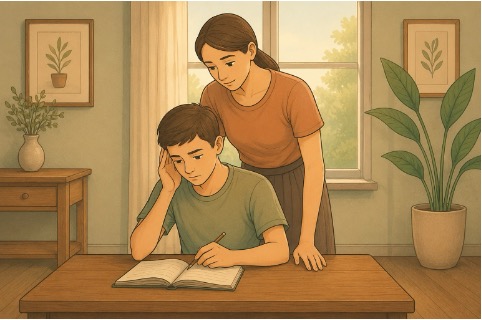
Mother-son enmeshment is an unhealthy relationship pattern in which emotional closeness replaces healthy boundaries, making it difficult for a son to develop a separate identity. While the relationship may appear loving from the outside, the son often feels responsible for his mother’s emotions and struggles to make independent decisions without guilt.
These dynamics can affect friendships, romantic relationships, self-esteem, and emotional development well into adulthood. The challenge is that enmeshment is often mistaken for strong family loyalty rather than a boundary issue.
The six signs below show what enmeshment looks like in everyday life, from privacy violations to guilt that surfaces around independent choices. At Mission Prep, our clinicians work with teens and their families to spot these patterns early and rebuild a connection where love and independence both have room.
6 Signs of Mother-Son Enmeshment & How to Spot Them
Enmeshment occurs when a mother and son’s emotional connection becomes overly intertwined, blurring boundaries and limiting independence.
While closeness and support are natural in parent-child relationships, enmeshment can interfere with healthy emotional development, attachment styles, and adult relationships.
1. Boundaries Don’t Exist Between Mother & Son
The hallmark of mother-son enmeshment is the absence of boundaries. Sons grow up confused about privacy, autonomy, and where their identity ends and their mother’s begins.
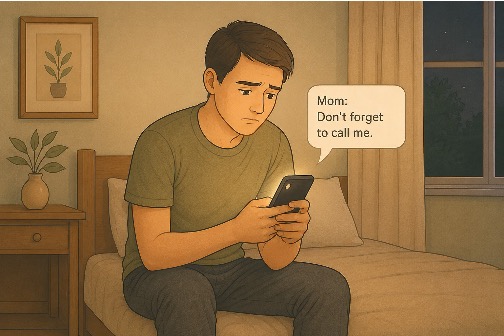
Mothers may monitor phones, read messages, or demand access to personal communications well into adulthood. Asserting privacy starts to feel like guilt-inducing rebellion rather than a normal adult right.
Overly intimate contact or entering private spaces without permission distorts a son’s sense of normal physical limits, leading to discomfort in adult friendships and romantic partnerships.
Mothers may also share private details about their sons with others while expecting full transparency in return. Over time, this fosters shame and anxiety around keeping anything private.
2. Mom Is the Primary Emotional Support
The mother stays the son’s main emotional anchor well into adulthood, often crowding out romantic partners. Sons habitually consult their mothers before partners, leaving partners sidelined and stalling the son’s own decision-making skills.
Major life decisions such as career moves, relocations, and marriage plans get delayed or dropped without maternal consent, overshadowing a partner’s input entirely. This makes romantic partners feel they are in constant competition for attention, and sons feel torn between loyalty to their mother and their partner, causing ongoing emotional strain.
3. The Son Acts Like Mom’s Emotional Partner
Role reversal happens when sons carry emotional weight meant for adult peers, leaving lasting psychological strain. Sons may manage household tasks, mediate conflicts, or provide emotional care long before they are ready. This parentification costs them ordinary childhood experiences and shapes how they handle adult relationships later.
Mothers discuss dating, marital problems, or other inappropriate adult issues that overburden their sons and teach distorted patterns of closeness. This causes him to put her needs above his own, feel guilty about pursuing independence, and often develop anxiety, depression, or difficulty forming healthy adult relationships.
4. Guilt Is Used to Control Behavior
Guilt is the engine that keeps enmeshment running, making independence feel like betrayal.
Physical or emotional symptoms may appear when he asserts autonomy, signaling that independence harms her. Sons cancel plans or avoid opportunities to protect her perceived well-being.
Statements like “After All I’ve Done For You” are common. Sacrifice narratives create unpayable emotional debt, pressuring sons into lifelong compliance and reinforcing feelings of obligation. Even small acts of independence, moving out, holiday plans, or personal decisions, trigger anxiety and guilt, making appeasement feel safer than building a fully autonomous adult identity.
5. Independence Is Discouraged or Punished
Enmeshed mothers see their sons’ autonomy as rejection, punishing normal developmental separation.
She criticizes or sabotages romantic partners, intrudes on private moments, or demands constant attention, undermining healthy partnerships. Sons may learn to avoid conflict by limiting closeness with partners.
Career moves, marriage, or relocation provoke anger, depression, or subtle sabotage, making normal growth feel dangerous. Sons often downplay excitement about opportunities to avoid conflict.
Repeated questioning of decisions and practical interference reinforces dependence and discourages independent action. Sons may internalize self-doubt, relying on maternal guidance for even minor choices.
6. Outside Relationships Are Seen As Threats
Outside connections get treated as competition, narrowing the son’s social world and stalling emotional growth. Mothers find faults in partners, stir up conflict, and destabilize the relationship to stay primary. Sons feel torn between loyalty to mom and loyalty to their partner.
Events, health concerns, or hurt feelings get timed to pressure the son into prioritizing her, turning ordinary moments into loyalty tests that strain both relationships. Close friendships or work bonds trigger jealousy or interference, leaving sons isolated, dependent on mom, and short on the practice needed to build healthy adult relationships.
How to Break Free From Mother-Son Enmeshment?
Breaking free from enmeshment takes courage, persistence, and often professional support. The goal is to transform the relationship into one that allows love, support, and independence for both of you, not to reject your mother.
Keep in mind:
- Change feels uncomfortable before improvement shows up.
- Guilt is expected and does not mean you are doing something wrong.
- Your mother’s initial reaction may be resistant.
- Recovery is about gradually establishing healthy closeness.
- Healthy boundaries reduce resentment over time and create a more authentic connection for both mother and son.
Recognizing The Pattern Is The First Step
Awareness is the starting point. Naming enmeshment in your relationship is often a relief, giving language to feelings written off as disloyalty or ingratitude. That clarity creates room to seek support without the guilt that shuts down independence, and gives families a shared vocabulary for change.
Therapy Can Help Both Mother & Son
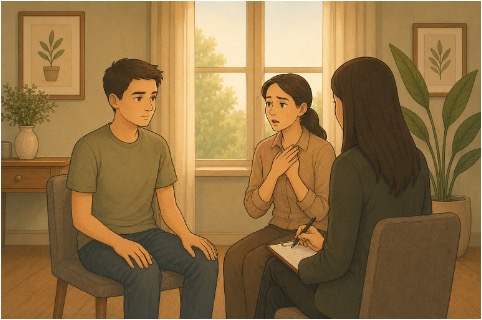
Professional support is often essential for entrenched enmeshment. Individual therapy helps sons trace the roots, rebuild self-confidence, and set boundaries while managing guilt. Family therapy adds value when both are willing to engage. Even when only the son participates, therapy gives him tools to gradually assert autonomy.
Setting Healthy Boundaries Takes Practice
Creating boundaries after years of enmeshment is hard and slow. Start small by skipping a non-urgent call, declining to share a detail, taking a day to answer. Effective boundaries are clear and consistent, without long explanations or apologies. A line like “I’ll need to discuss that with my partner before deciding” sets a limit and keeps respect intact.
Expect resistance. When a boundary gets crossed, calmly restate it and skip the debate. Progress is uneven, and old patterns may resurface under stress, but each reset reinforces the new pattern.
Partners Can Support Without Criticizing
Validation lands better than criticism. Noticing a partner’s stress or frustration helps him feel seen without putting him on the defensive. Change has to come from the son’s own recognition; partners should offer encouragement and patience, not pressure to confront or break away on a timeline.
Spotting 6 Signs of Mother-Son Enmeshment: Summary Table
| Sign | How to Spot It |
| Boundaries Don’t Exist | Privacy is ignored, personal space is not respected, and the son feels guilty for wanting independence. |
| Mom Is the Primary Emotional Support | The mother remains the son’s main source of emotional validation, often overshadowing partners and friends. |
| The Son Acts Like Mom’s Emotional Partner | The son is expected to manage adult emotions, solve problems, or provide emotional comfort beyond a child’s role. |
| Guilt Is Used to Control Behavior | Independence triggers guilt, obligation, or reminders of sacrifices made by the mother. |
| Independence Is Discouraged or Punished | Moving out, dating, career choices, or other normal milestones are criticized or met with resistance. |
| Outside Relationships Are Seen As Threats | Friends, partners, or mentors are viewed as competition for the son’s attention and loyalty. |
Get Comprehensive Teen Mental Health Support from Mission Prep

Identifying enmeshment is often the first challenge; breaking the pattern takes time and consistent effort. Recognizing privacy violations, guilt cycles, and role reversal gives a family something concrete to address, and small, repeated boundary practice gradually rewires how mother and son relate. Progress feels uneven, but every steady boundary counts.
At Mission Prep Healthcare, we treat teens ages 12 to 17 across residential, outpatient, and Virtual Intensive Outpatient Programs (VIOPs), with therapies including Cognitive Behavioral Therapy (CBT) and Dialectical Behavior Therapy (DBT) matched to each adolescent. Our family-focused model brings parents into the work directly, so the changes a teen makes in session hold up at home. Get family-centered support at Mission Prep today.
Frequently Asked Questions (FAQs)
What causes enmeshment between mother and son?
Mother-son enmeshment usually develops when emotional boundaries within the family become unclear. It is often linked to factors such as parental loneliness, unresolved trauma, marital conflict, divorce, anxiety, overprotectiveness, or a parent’s unmet emotional needs.
In these situations, a mother may unintentionally rely on her son for emotional support, companionship, or validation that would normally come from other adults. Over time, this can make separation and independence feel threatening to both mother and son, reinforcing the enmeshed dynamic.
How does mother-son enmeshment affect relationships?
Sons struggle to prioritize partners, set boundaries, or commit fully. Partners often feel sidelined, creating tension and mistrust that can end the relationship unless the enmeshed patterns are named and addressed.
What is the difference between enmeshment and closeness?
Healthy closeness supports independence, personal growth, and boundaries. Enmeshment restricts autonomy and blurs identities. The test is whether the relationship lets each person build separate interests, friendships, and a life of their own.
Can an enmeshed relationship be fixed while maintaining a healthy bond?
Yes. With commitment and the right support, enmeshed relationships can evolve into balanced ones. Programs at Mission Prep Healthcare help teens and families set clear boundaries, build mutual respect, and reconnect on healthier terms.








