
Key Takeaways
- Teen anxiety often manifests as physical symptoms like headaches and rapid heartbeat, frequently being mistaken for underlying medical issues.
- Persistent worry, irritability, and social withdrawal are primary emotional and behavioral signs that distinguish clinical anxiety from typical teenage stress.
- Using structured checklists or professional scales helps parents and clinicians track symptom severity and identify when professional treatment is required.
- Evidence-based therapies like CBT and DBT provide effective, medication-free ways for adolescents to manage anxious thoughts and build long-term resilience.
- Mission Prep Healthcare provides specialized, age-appropriate anxiety treatment for teens through residential and outpatient programs with integrated academic support.
When Does Normal Worry Become Teen Anxiety?
Nearly one in three adolescents will experience an anxiety disorder, with recent data showing that approximately 20% of adolescents report experiencing anxiety symptoms. While occasional stress over school or social circles is a normal part of development, persistent worry that interferes with daily life often signals a clinical condition. Recognizing these symptoms early, ranging from chronic headaches to social withdrawal, helps prevent long-term academic and emotional setbacks.
Modern teen anxiety frequently manifests through physical triggers like rapid heartbeat and “digital burnout” caused by constant online connectivity. This guide provides a structured anxiety checklist to help parents distinguish between typical teenage stress and disorders requiring professional intervention. Evidence-based treatments, including Cognitive Behavioral Therapy (CBT), remain the gold standard for helping adolescents manage these symptoms and build lasting resilience.
Common Anxiety Symptoms in Teenagers
Teen anxiety presents differently than adult anxiety, often masking itself as moodiness, defiance, or physical complaints. Understanding these symptom patterns helps parents and caregivers identify anxiety early and respond appropriately.
Physical Symptoms
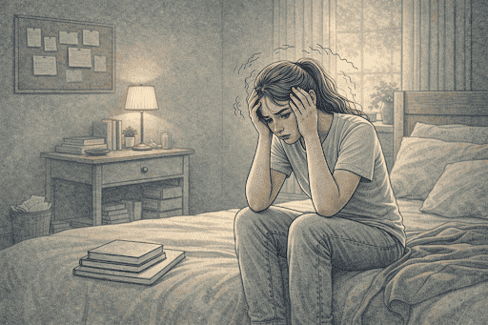
The body’s stress response triggers physical reactions in anxious teens. Rapid heartbeat and chest tightness are alarming symptoms, often mimicking a heart attack. Frequent headaches and stomach aches become routine complaints, leading to repeated school nurse visits. Sleep issues range from racing thoughts at bedtime to waking frequently during the night.
Modern physical indicators also include sensory overload (becoming overwhelmed by loud noise or bright lights), ‘tech-neck’ tension, and persistent fatigue driven by ‘revenge bedtime procrastination,’ where anxious teens stay awake late on devices to reclaim a sense of control. These physical symptoms often lead to medical appointments where no underlying health condition is found, pointing toward anxiety as the culprit.
Emotional and Behavioral Symptoms
Emotional symptoms of anxiety in teens can be particularly challenging to identify because they overlap with normal adolescent mood changes. Excessive worry that persists across multiple situations becomes the hallmark of anxiety disorders. Teens may worry intensely about upcoming events, past interactions, or potential future scenarios.
Irritability and mood swings increase, with teens snapping at family members or becoming easily frustrated over minor issues. Many anxious teens develop perfectionist tendencies, becoming distressed over small mistakes or anything less than perfect performance. Restlessness and an inability to relax characterize their free time, making it difficult for them to enjoy hobbies or downtime without feeling on edge.
Social and Academic Signs
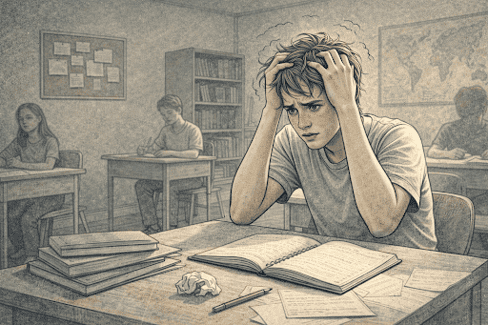
Anxiety significantly impacts social life and grades. Teens may engage in ‘digital withdrawal’ by ghosting friends, or ‘hyper-connectivity,’ where missing a notification triggers panic. Avoiding school events or loved activities is another warning sign. Grades often drop despite ability, as concentration issues make studying difficult. In social settings, anxious teens may withdraw from peers or panic when called on in class.
They might exhibit separation anxiety that seems developmentally inappropriate, becoming distressed when away from parents or familiar environments. Some teens develop compulsive behaviors or rituals they feel must be completed to prevent something bad from happening, which can indicate obsessive-compulsive disorder overlapping with anxiety.
How Do I Track Anxiety Symptoms?
A structured anxiety checklist helps quantify symptoms and track changes over time. Rate each symptom based on how often your teen experiences it over the past two weeks: Never (0 points), Sometimes (1 point), Often (2 points), or Almost Always (3 points).
Physical Symptoms:
- Rapid heartbeat or chest pain
- Headaches or stomach aches
- Difficulty sleeping or nightmares
- Muscle tension or body aches
- Fatigue or low energy
Emotional Symptoms:
- Excessive worry that’s hard to control
- Feeling nervous, on edge, or restless
- Irritability or mood swings
- Fear of embarrassment or judgment
- Difficulty concentrating
Behavioral Changes:
- Feeling extreme distress or ‘phantom vibrations’ when away from a phone/device.
- Compulsively checking social feeds to compare self-worth to peers.
- Avoiding social activities or school
- Perfectionist behavior or fear of mistakes
- Procrastination on tasks that cause stress
- Seeking constant reassurance
- Withdrawal from friends and family
Scoring: Total your points. Higher scores indicate a greater frequency of symptoms. If your teen scores consistently in the ‘Often’ or ‘Almost Always’ range for multiple items, or if symptoms interfere with daily life, consider a professional evaluation. This checklist serves as a starting point, not a clinical diagnosis, but it provides valuable information when seeking professional help.
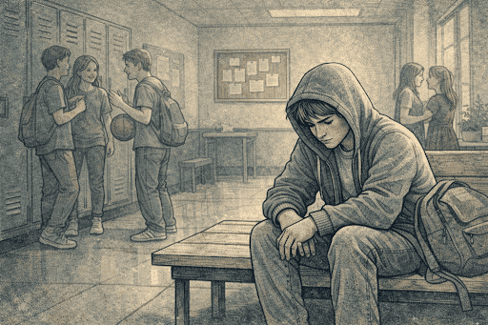
Anxiety Assessment Tools Professionals Use
Mental health professionals use validated anxiety scales to diagnose and monitor anxiety disorders in teens. The Generalized Anxiety Disorder 7-item scale (GAD-7) is commonly used for quick screening, asking about worry, nervousness, and related symptoms over the past two weeks. The Screen for Child Anxiety Related Emotional Disorders (SCARED) is a longer assessment specifically designed for children and teens, covering panic disorder, generalized anxiety, separation anxiety, social anxiety, and school avoidance. The Beck Anxiety Inventory (BAI) focuses on physical symptoms of anxiety, helping distinguish anxiety from other mood disorders like depression.
These professional assessments differ from informal checklists in their reliability and validity. Clinicians combine scale results with clinical interviews, family history, and observation to develop a thorough understanding of the teen’s anxiety. The severity indicated by these scales helps determine the appropriate level of care, from outpatient therapy to more intensive treatment programs. Regular reassessment throughout treatment tracks progress and guides adjustments to the therapeutic approach.
Moving Forward With Treatment with Mission Prep
Identifying the specific symptoms of adolescent anxiety helps parents offer timely support for their child. When persistent worry or physical complaints disrupt daily routines, professional care establishes a clear path forward. Mission Prep Healthcare delivers specialized residential and outpatient treatment programs for teenagers aged 12 to 17 facing these mental health challenges.
Clinical programs combine evidence-based therapies like CBT and DBT with integrated academic support to maintain educational progress. Weekly family therapy sessions and regular updates ensure that parents remain active participants in the recovery process.
Frequently Asked Questions (FAQs)
Can anxiety in teens go away without treatment?
Mild anxiety may improve with lifestyle changes like exercise, sleep hygiene, and stress management techniques. However, moderate to severe anxiety typically requires professional treatment to prevent worsening symptoms and the development of additional mental health conditions.
Untreated anxiety often persists into adulthood and can lead to depression or chronic physical health problems.
How do I talk to my teen about their anxiety symptoms?
Choose a calm, private moment to express your observations without judgment. Use specific examples, such as “I’ve noticed you’ve been staying home from activities you used to enjoy,” rather than labeling them as anxious.
Listen to their perspective, validate their feelings, and offer support in finding professional help together.
How does social media affect my teen’s anxiety checklist score?
Social media acts as an ‘anxiety multiplier.’ If your teen scores high on ‘Fear of Judgment’ or ‘Difficulty Concentrating,’ observe their phone habits. Treatment for anxiety might include Digital Detox strategies to help teens untether their self-esteem from online validation.
What’s the difference between stress and an anxiety disorder?
Stress is a normal response to specific challenges and typically resolves once the stressor passes. An anxiety disorder involves excessive, persistent worry that occurs even without clear triggers and interferes with daily functioning.
Anxiety disorders last for months, cause physical symptoms, and don’t improve simply by removing stressors.
How long does anxiety treatment typically take for teens?
Treatment length varies based on anxiety severity and individual progress. Many teens see improvement within 8–12 weeks of consistent therapy, though building lasting coping skills often takes several months.
Residential programs typically last 30–90 days, while outpatient therapy may continue for 6 months to 1 year, with gradually decreasing session frequency.
What makes Mission Prep Healthcare’s approach different for treating teen anxiety?
At Mission Prep Healthcare, we offer teen-only facilities with age-appropriate therapies specifically designed for adolescents aged 12–17. Our integrated model combines evidence-based treatments like CBT and DBT with academic support, ensuring teens don’t fall behind in school during treatment.
Family therapy is included weekly, and our small, home-like settings provide a comfortable environment where teens can focus on healing without the institutional feel of larger facilities.