Key Takeaways
- Teen anger is driven by brain development and stress, requiring professional support when it becomes frequent, intense, or disruptive to daily life.
- CBT effectively treats anger by teaching adolescents to recognize the connection between their thoughts, feelings, and impulsive physical actions.
- Core therapeutic techniques include identifying personal triggers, challenging distorted thinking, and practicing relaxation tools like box breathing or grounding exercises.
- Active parental involvement, including validating feelings and setting clear behavioral limits, significantly strengthens the effectiveness of a teen’s therapy.
- Mission Prep provides comprehensive adolescent mental health care through residential, outpatient, and telehealth programs designed to help teens build lasting resilience.
Why Teen Anger Becomes a Problem
Cognitive Behavioral Therapy (CBT) is an evidence-based treatment proven to help adolescents manage anger by addressing the relationship between thoughts, feelings, and behaviors. By teaching practical skills to identify triggers and challenge distorted thinking, CBT reduces the frequency and intensity of outbursts while improving emotional regulation. Programs typically span 12 to 16 weekly sessions, providing teens with immediate tools to respond calmly to stressors rather than reacting impulsively.
While occasional frustration is a normal byproduct of adolescent brain development and hormonal changes, professional intervention becomes necessary when anger disrupts school performance or family relationships. Mission Prep provides specialized care for teens aged 12–17 through residential, outpatient, and virtual programs in California, Minnesota, and Virginia, integrating CBT with academic support. These structured interventions help adolescents build long-term resilience by replacing destructive cycles with assertive communication and healthy coping mechanisms.
How Does CBT Work for Teen Anger?
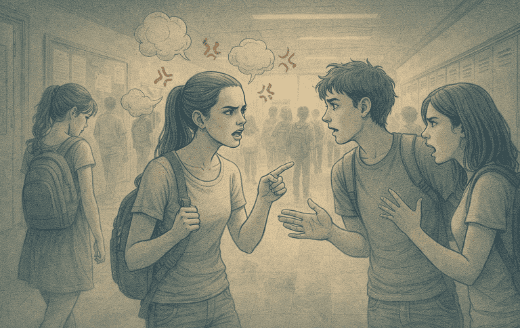
Understanding and managing anger can feel overwhelming for teens, but Cognitive Behavioral Therapy (CBT) provides practical strategies to recognize triggers, shift unhelpful thinking, and respond more effectively in everyday situations.
Understanding the Thoughts-Actions Connection
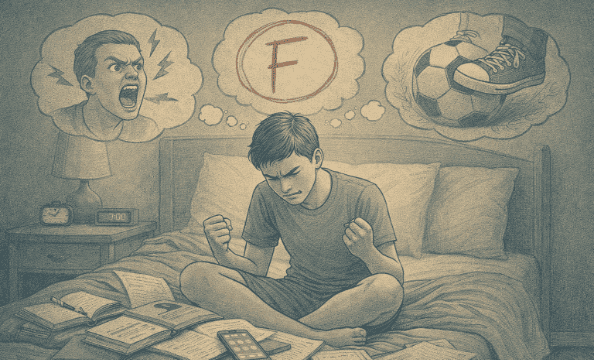
CBT focuses on how a teen’s thoughts shape feelings and behaviors. By identifying automatic, anger-triggering thoughts and challenging distortions like “always/never” thinking, teens learn to respond more calmly and reduce outbursts over time.
Research consistently shows that CBT interventions significantly reduce anger and aggression, with moderate to large effect sizes. Skills training and multimodal approaches (combining different techniques) showed the strongest results.
Building Practical Skills in Sessions
Teens gain tools to break destructive anger cycles, including thought logs, role-plays, and behavioral experiments. Sessions combine check-ins, exercises, and homework to reinforce emotional awareness, problem-solving, assertive communication, and distress tolerance for real-life situations.
4 Core CBT Techniques That Help Angry Teens
CBT includes many strategies, but a few techniques are especially effective for teens struggling with anger. Together, these tools help teens spot early warning signs, challenge unhelpful thinking, and respond to frustration in healthier ways.
A 2025 randomized controlled trial showed that a 12-week CBT program reduced suppressed anger, impulsivity, and self-harming thoughts in adolescents compared with a control group, demonstrating CBT’s effectiveness in emotional regulation.
1. Identifying Anger Triggers
Teens begin by learning what sets their anger off. Through self-monitoring, they identify common triggers such as certain situations, interactions, or physical states like hunger or fatigue. CBT also helps teens notice internal cues, thoughts, emotions, or body sensations that signal anger is building.
2. Challenging Negative Thoughts
Cognitive restructuring teaches teens to catch automatic thoughts that fuel anger, like “They’re doing this on purpose” or “No one listens to me.” With guidance, teens examine these thoughts and practice replacing them with more balanced interpretations. This shift doesn’t force positive thinking, but it often lowers emotional intensity and leads to more effective responses.
3. Practicing New Response Patterns
CBT helps teens replace impulsive reactions with intentional choices. Therapists work with teens to develop alternative responses for high-risk situations, then practice them through role-play and real-world assignments. These may include taking a brief time-out, using structured communication, or applying problem-solving steps during conflict.

4. Building Healthy Coping Skills
Teens learn practical tools to calm their bodies and minds before anger escalates. CBT offers coping strategies such as deep breathing, muscle relaxation, grounding exercises, and brief disengagement from triggering situations. These skills are designed to be realistic and easy to use in everyday settings.
Relaxation Tools That Work for Teens
Teens tend to benefit most from short, discreet techniques like box breathing, subtle muscle relaxation, or five-senses grounding. Practicing these skills during calm moments helps teens use them automatically when anger starts to rise, reducing the likelihood of explosive reactions over time.
What Parents Should Know Before Starting CBT
CBT for teens works best when parents understand their role and have realistic expectations. Supporting your teen, reinforcing skills at home, and knowing what therapy can achieve helps create a positive environment for change.
Your Role in Supporting CBT
Parents can reinforce skills by modeling healthy emotional regulation, validating feelings, and setting clear behavioral limits. Encouraging practice at home, staying consistent, and being open to adjusting family patterns strengthen therapy outcomes. Parent sessions or therapist-guided strategies often help.
Choosing a Therapist and Understanding Costs
Look for therapists experienced in adolescent CBT for anger who balance warmth with structure. Confirm insurance coverage, session limits, co-pays, or referrals beforehand. If needed, sliding-scale fees, community clinics, or group programs provide cost-effective alternatives without compromising care.
A controlled study found that teens in CBT-based anger management groups showed significant improvements in anger coping and social skills compared to a control group.
When CBT Might Not Be Enough
CBT effectively addresses many teen anger issues, but some situations require additional or complementary interventions. Recognizing these limitations helps families ensure teens receive the right support rather than relying on CBT alone.
Signs Additional Treatment Is Needed
If a teen shows little progress after 3-4 months of consistent CBT, or if anger involves self-harm, violence, or severe family conflict, more intensive support may be necessary. Underlying conditions like bipolar disorder, severe depression, trauma, or neurodevelopmental disorders often require targeted treatment beyond standard CBT.
Other indicators include substance abuse, persistent suicidal thoughts, or neurological conditions affecting impulse control. In such cases, CBT works best as part of a coordinated plan involving therapists, psychiatrists, school staff, and other providers.
Complementary Approaches That Work Well with CBT
Evidence-based therapies often enhance CBT’s effectiveness. Dialectical Behavioral Therapy (DBT) supports emotional regulation and distress tolerance, family therapy addresses patterns maintaining anger cycles, and Trauma-Focused CBT helps teens process trauma while developing healthier responses. Combining these approaches ensures treatment addresses both skills and underlying causes.
How Mission Prep Supports Your Teen’s Mental Health Recovery
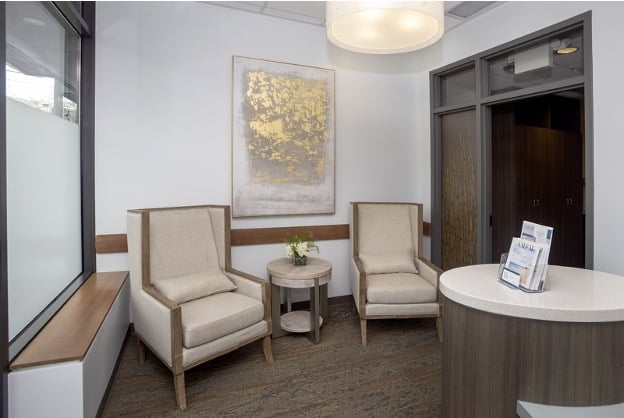
Managing adolescent anger requires a structured approach that addresses both the physical and emotional aspects of development. Mission Prep maintains specialized residential, outpatient, and telehealth programs for teens aged 12 to 17 facing these complex challenges. Adolescents in these programs work through their emotions in a safe, home-like setting while maintaining their academic progress.
The clinical team utilizes evidence-based methods like CBT, DBT, and EMDR to help participants build practical coping skills for long-term stability. Families remain central to the process through consistent communication and guided sessions that strengthen the home environment.
Frequently Asked Questions (FAQs)
How long does CBT treatment for teen anger typically take?
CBT for teen anger usually lasts 12-20 weekly sessions. Many teens improve within 3-4 months, while those with complex or long-standing issues may benefit from six months or longer, plus occasional booster sessions.
Can CBT help if my teen refuses to admit they have an anger problem?
Yes. Resistance is common and doesn’t prevent success. Therapists use motivational techniques to connect anger management to teens’ own goals, gradually increasing engagement. Framing therapy as skill-building rather than “fixing” often improves cooperation.
Does CBT work for teens with diagnosed conditions like ADHD or ODD?
CBT can be effective for teens with ADHD or ODD when adapted to their needs. Treatment often includes added structure, motivational strategies, and coordination with medication, school supports, or behavioral interventions for best results.
Will my teen need to take medication alongside CBT for anger?
Many teens improve with CBT alone. Medication may help when anger is linked to conditions like ADHD, anxiety, or depression. When used, medication supports CBT by improving emotional stability, not replacing skill development.
How do I know if my teen’s therapist is using CBT effectively?
Effective CBT is structured and skill-focused. Teens should understand the skills they’re learning, practice them between sessions, and receive guidance at home. At Mission Prep, our licensed therapists follow clear CBT protocols and actively involve parents, ensuring progress is monitored, supported, and applied in real-life situations for lasting results.
This article is for informational purposes only and does not constitute medical advice. Always consult a qualified healthcare professional before making decisions about mental health treatment. Individual results may vary. For more information about our services and admissions process, visit Mission Prep Healthcare.