
Key Takeaways
- Panic attacks are intense episodes of fear with physical symptoms that feel overwhelming but are not dangerous.
- Immediate coping strategies like controlled breathing, grounding techniques, and staying calm can help during an attack.
- Understanding that panic attacks are “false alarms” helps teens respond with less fear when symptoms occur.
- Cognitive Behavioral Therapy (CBT) teaches teens to change thought patterns and behaviors that trigger or worsen panic attacks.
- Mission Prep Healthcare provides comprehensive treatment combining individual therapy, skills training, and family support to help teens overcome panic disorder.
What a Panic Attack Actually Feels Like
Imagine your body’s alarm system suddenly blaring at full volume, except there’s no fire, no danger, no reason for the alarm. That’s what a panic attack feels like. It strikes without warning, bringing a wave of intense physical sensations that can be terrifying for teens experiencing them.
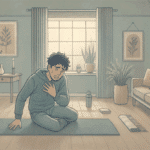
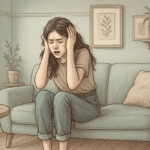
Their heart races like they’ve just sprinted up several flights of stairs. Breathing becomes difficult, as if the air isn’t quite reaching their lungs. They might feel dizzy, nauseated, or like they’re watching themselves from outside their body. Chest pain can make them worry they’re having a heart attack. Numbness or tingling in their hands intensifies the sense that something is seriously wrong.
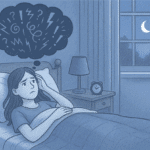
The worst part? Many teens think these symptoms mean they’re dying, going crazy, or losing control. This terrifying interpretation makes the panic worse, creating a cycle where fear of the symptoms intensifies the symptoms themselves.
But here’s the truth: panic attacks, while incredibly uncomfortable, are not dangerous. No one has ever died from a panic attack. Understanding this fact is the first step toward managing them.
What to Do in the Moment: Immediate Relief Strategies
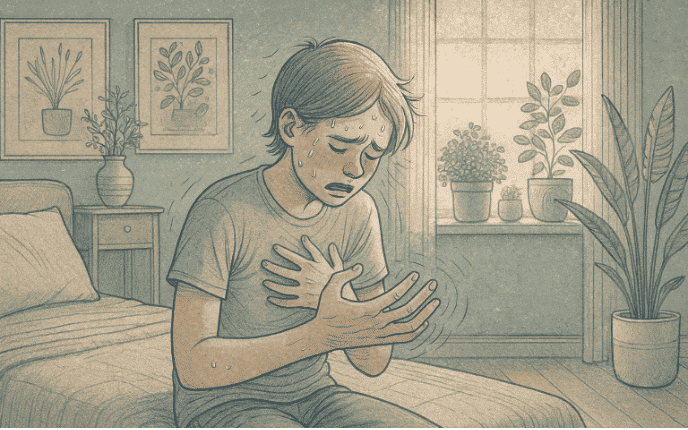
During a panic attack, teens experience real physical symptoms triggered by their body’s fight-or-flight response activating without an actual threat present.
Controlled Breathing: The Foundation
Breathing becomes shallow and rapid during panic, which actually worsens symptoms by disrupting the body’s oxygen-carbon dioxide balance. Teaching teens controlled breathing gives them something active to do when panic strikes.
The 4-7-8 technique works well: Breathe in slowly through the nose for four counts, hold the breath for seven counts, then exhale slowly through the mouth for eight counts. Repeat this pattern several times. The extended exhale activates the body’s natural calming response.
Another effective method: belly breathing. Place one hand on the chest and one on the belly. Breathe so the belly hand moves while the chest hand stays relatively still. This ensures deep, calming breaths rather than shallow chest breathing.
The 5-4-3-2-1 Grounding Method
This technique pulls attention away from internal panic sensations and anchors it to the present environment. Guide your teen through identifying:
- Five things they can see
- Four things they can touch
- Three things they can hear
- Two things they can smell
- One thing they can taste
This sensory inventory interrupts the panic loop and reminds the brain that there’s no actual danger in the current environment.
Temperature Change Techniques
Sudden temperature changes can interrupt panic’s momentum. Splashing cold water on the face, holding ice cubes, or placing a cold washcloth on the back of the neck triggers what’s called the “dive reflex,” naturally slowing heart rate and reducing panic symptoms.
Why Distraction Sometimes Helps
When other techniques fall short, distraction can offer meaningful relief. Listening to music, drawing, playing a game, or focusing on any engaging activity helps redirect mental energy away toward something calming. This approach doesn’t ignore the underlying issue; it simply provides a practical way to interrupt panic’s intensity in the moment.
How Parents Can Help During an Attack
Staying Calm When Your Teen Is Panicking
Your calm presence sends a powerful message: there is no emergency. Even though your teen feels like something terrible is happening, your steady demeanor communicates safety. Take slow, deep breaths yourself. Keep your voice low and reassuring.
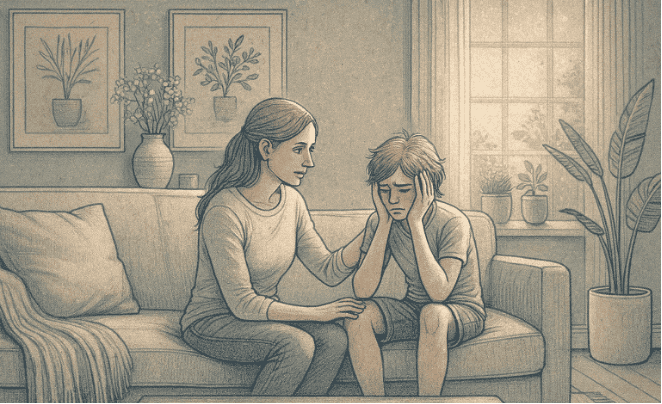
A parent’s calm, steady presence during a panic attack teaches teens that the symptoms, while uncomfortable, aren’t dangerous.
What to Say (and What Not to Say)
Helpful: “I know this feels scary right now, but you’re safe. This will pass. Let’s breathe together.”
Not helpful: “Just calm down,” “You’re fine, stop worrying,” or “You’re scaring me.”
The first approach validates their experience while providing reassurance. The second dismisses their very real symptoms and can increase their distress.
Your Presence Matters More Than Your Words
Sometimes, just sitting quietly with your teen, offering your calm presence without trying to fix or stop the panic, is most helpful. Let them know you’re there, you’re not panicking, and you’ll stay with them until it passes.
After the Attack: Processing What Happened
Once the panic subsides, resist the urge to analyze or problem-solve immediately. Your teen needs time to recover. Later, in a calm moment, you can discuss what happened, what helped, and what to try next time. Normalize the experience; many people have panic attacks, and with the right strategies, they become manageable.
Understanding Why Panic Attacks Happen
The body’s fight-or-flight response is designed to protect us from danger. When we encounter a genuine threat, this system floods our body with adrenaline, preparing us to fight or flee. Heart rate increases, breathing quickens, muscles tense, all helpful if we need to escape danger.
A panic attack is a response that activates when there’s no actual threat. It’s a false alarm, the fire alarm going off when there’s no fire. The body reacts as if there’s danger, but the danger is imagined rather than real.
For teens, common triggers include stress from school, social pressures, changes or transitions, certain physical sensations (like feeling hot in a crowded room), or sometimes no identifiable trigger at all. Some teens are more prone to panic attacks due to family history, temperament, or previous experiences with anxiety.
What keeps panic attacks going is the fear of the attacks themselves. When teens start worrying constantly about having another panic attack, avoiding situations where attacks occurred, or monitoring their body for any sign of panic starting, they create a cycle that makes attacks more likely.
Long-Term Strategies: Building Resilience Between Attacks
Regular Practice of Relaxation Techniques
The coping strategies that help during panic attacks work even better when practiced regularly during calm times. Daily practice of deep breathing, progressive muscle relaxation, or mindfulness helps lower overall anxiety levels and makes these techniques more automatic during actual panic.
Lifestyle Factors That Matter
Physical health affects mental health. Regular exercise helps regulate stress hormones and improves mood. Adequate sleep prevents the exhaustion that makes teens more vulnerable to panic. Limiting caffeine is crucial; caffeine can trigger panic-like symptoms in sensitive individuals, and teens prone to panic should be especially careful with coffee, energy drinks, and soda.
Avoiding Avoidance
One of the most important long-term strategies sounds counterintuitive: facing rather than avoiding situations associated with panic attacks. When teens avoid places or situations where they’ve panicked, it provides short-term relief but strengthens the disorder long-term. Gradually returning to avoided situations, with support and coping skills in place, teaches the brain that these situations are actually safe.
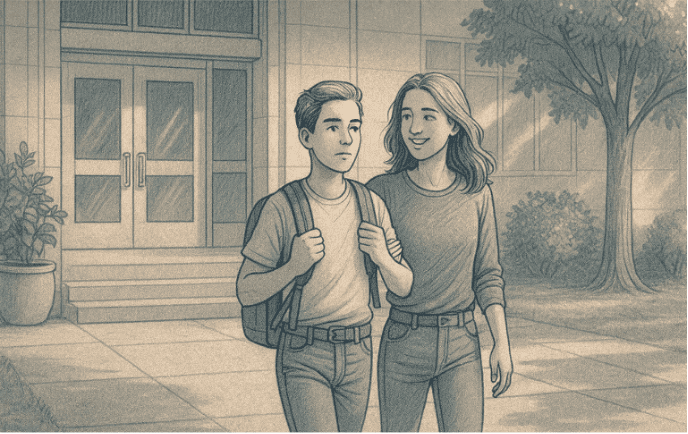
Gradually facing feared situations with support helps teens learn that panic attacks, while uncomfortable, are manageable and don’t have to control their lives.
Building Confidence Through Small Steps
Start with less anxiety-provoking situations and gradually work up to more challenging ones. Each success builds confidence and proves to your teen that they can handle difficult moments. Celebrate these victories; they’re evidence of real courage and progress.
Therapy That Works: Cognitive Behavioral Therapy for Panic
How CBT Addresses Panic Attacks
CBT helps teens understand the connection between their thoughts, physical sensations, and panic. When they feel their heart racing, instead of thinking “I’m having a heart attack,” they learn to recognize “This is anxiety—uncomfortable but not dangerous.”
Therapists teach teens to identify catastrophic thinking patterns that intensify panic. The thought “I’m going to die” makes panic worse. Replacing it with “This is a panic attack, it will pass, I’ve handled this before” reduces the panic’s intensity.
Exposure Therapy Explained
A key component of CBT for panic involves gradually and safely exposing teens to the physical sensations they fear. This might include intentionally increasing heart rate through exercise or spinning around to create dizziness. By experiencing these sensations in a controlled way and learning that they’re not dangerous, teens lose their fear of the symptoms themselves.
What to Expect From Treatment
CBT for panic disorder typically involves weekly sessions over several months. Teens learn about panic, practice new ways of thinking about symptoms, gradually face avoided situations, and develop a comprehensive set of coping strategies. Homework between sessions helps reinforce skills and build confidence.
The results are often dramatic. Many teens who complete CBT experience significant reduction in panic attacks or eliminate them entirely, along with decreased fear of future attacks and improved functioning in daily life.
Mission Prep’s Approach to Treating Panic in Teens

Mission Prep combines evidence-based therapy with compassionate support, helping teens develop confidence in managing panic and reclaiming their lives.
Mission Prep Healthcare specializes in comprehensive treatment for teens ages 12 to 17 struggling with panic attacks and panic disorder. Our approach addresses not just the immediate symptoms but the underlying patterns that maintain anxiety.
We begin with a thorough assessment to understand each teen’s unique experience with panic: their triggers, thought patterns, avoidance behaviors, and how panic impacts their daily life. This understanding guides personalized treatment planning.
Our evidence-based treatment incorporates Cognitive Behavioral Therapy techniques proven effective for panic disorder. Teens work individually with skilled therapists who specialize in adolescent anxiety, learning to understand their panic, challenge catastrophic thinking, and develop robust coping strategies.
Group therapy provides additional benefits, allowing teens to connect with peers facing similar challenges. They learn they’re not alone, practice skills together, and support each other’s progress. This peer connection often accelerates healing and builds confidence.
Family involvement is essential. We educate parents about panic disorder, teach them how to respond helpfully during attacks, and involve them in supporting their teen’s treatment goals. When families understand panic and respond effectively, teens feel safer and make faster progress.
Whether through our residential programs, outpatient services, or telehealth options, Mission Prep provides the structure, skills, and support teens need to overcome panic disorder and build lasting resilience.
Frequently Asked Questions (FAQ)
What should I do the first time my teen has a panic attack?
Stay calm and reassuring. Help them to a safe, comfortable place. Encourage slow, deep breathing and remind them that while this feels scary, they’re not in danger. Don’t rush them to the emergency room unless you’re genuinely unsure if it’s panic or a medical emergency. After the attack passes, consider consulting with a mental health professional to develop a plan for managing future attacks.
How long do panic attacks typically last?
Most panic attacks peak within ten minutes and subside within twenty to thirty minutes. However, the aftermath: feeling shaky, exhausted, or worried, can last longer. Understanding that the intense symptoms are temporary helps teens ride them out rather than fighting them, which often makes them last longer.
Can panic attacks be treated without medication?
Yes. Cognitive Behavioral Therapy is highly effective for treating panic attacks and panic disorder without medication. Many teens experience significant improvement or complete resolution of symptoms through therapy alone. CBT teaches practical skills for managing panic that provide lasting benefits even after treatment ends.
How does Mission Prep help teens with panic disorder?
Mission Prep offers comprehensive treatment including individual therapy using evidence-based approaches like CBT, group therapy for peer support and skill practice, family education and involvement, and personalized coping strategies. We provide residential, outpatient, and telehealth options for teens ages 12–17. Our experienced clinicians specialize in adolescent anxiety disorders and work collaboratively with families to help teens overcome panic and build confidence in managing anxiety.