Key Takeaways
- Panic attacks come in three primary types: unexpected, situational, and nocturnal, each with distinct triggers and manifestation patterns.
- Common symptoms across all three include a racing heart, chest pain, dizziness, and fear of dying.
- The causes of these three types of panic attacks range from brain chemistry and genetics to chronic stress and trauma.
- Teens experiencing any type of panic attack can benefit from age-specific care, and with proper treatment, most can reduce both the frequency and intensity of their symptoms.
- Mission Prep Healthcare provides evidence-based treatment for adolescent panic attacks using Cognitive Behavioral Therapy (CBT), exposure therapy, and family involvement as primary approaches, with medication considered when clinically appropriate.
Types of Panic Attacks Explained
Individuals may experience three types of panic attacks: unexpected ones that arrive without a trigger, situational ones linked to a specific cue, and nocturnal ones that occur during sleep. Unexpected attacks reach peak intensity within minutes and offer no warning, while situational ones can build for hours, and nocturnal ones strike during the transition between sleep stages.
At Mission Prep Healthcare, we treat all three in our adolescent programs and shape the approach around what each teen is actually facing: interoceptive work for unexpected attacks, graded exposure for situational ones, and sleep-pattern repair for nocturnal episodes.
The sections below break down what each type looks like, what causes it, and how treatment plays out.
Understanding the 3 Types of Panic Attacks
1. Unexpected Panic Attacks
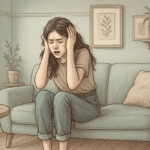
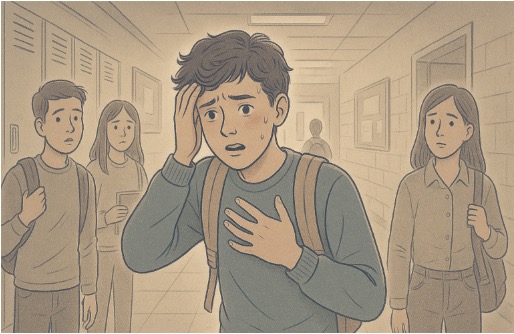
Unexpected panic attacks, also called spontaneous or uncued panic attacks, are attacks that occur without any obvious trigger or warning.
What makes them particularly distressing for adolescents is their unpredictable nature, which often leads to a persistent fear of having another attack.
This fear-of-fear cycle can significantly restrict your teen’s activities and social engagement as they attempt to avoid situations where help might not be readily available if an attack occurs.
Physical Symptoms
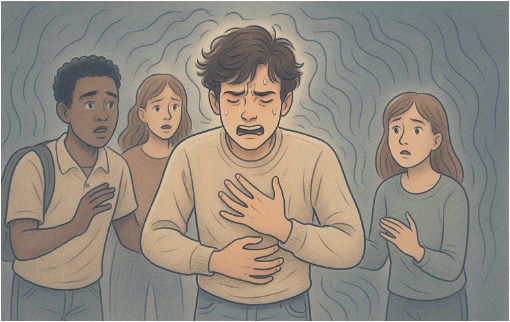
During an unexpected panic attack, the body’s alarm system fires without a real threat to respond to, and the physical reaction can feel overwhelming. Common physical symptoms of panic attack include racing heart, chest pain, shortness of breath, dizziness, trembling, sweating, nausea, and tingling sensations in the extremities.
Gastrointestinal symptoms such as nausea, stomach discomfort, and digestive distress often follow. Individuals may also notice thermoregulatory shifts like hot flashes or sudden chills as the body cycles through stress hormones. Most of these sensations peak within minutes, then gradually ease.
Mental Symptoms
The psychological experience of unexpected panic attacks can feel as overwhelming as the physical one, sometimes more. Adolescents typically report an intense sense of doom or dread, fear of losing control, and even fears of dying or “going crazy.”
These thoughts often arrive in seconds and feel completely real in the moment, even when no actual danger is present.
2. Situational Panic Attacks
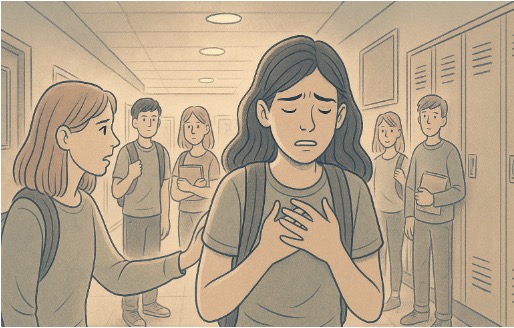
Situational panic attacks, also called cued panic attacks, are directly linked to specific triggers or situations. These attacks occur either during exposure to the trigger or in anticipation of it.
For many adolescents, these triggers might include social situations, performance pressures, crowded spaces, or specific phobias. Unlike unexpected attacks, situational panic attacks follow a more predictable pattern, making them somewhat easier to anticipate and address.
Symptom Progression
Unlike unexpected attacks that reach peak intensity quickly, situational panic attacks often follow a more gradual progression. Many adolescents report feeling increasing anxiety as they approach or think about their trigger situation.
This anticipatory anxiety can build for hours or even days before the actual encounter. During exposure to the trigger, physical and psychological symptoms typically intensify rapidly, creating the full panic experience.
Avoidance Behaviors
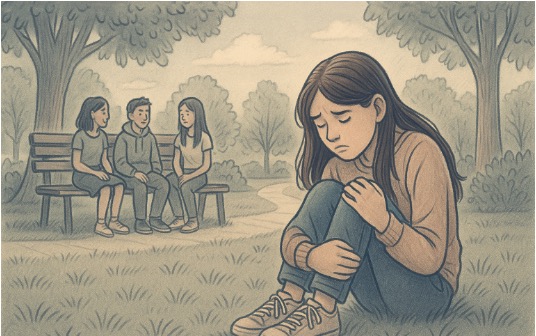
Teens experiencing situational panic attacks naturally begin to avoid situations that have triggered panic in the past, which can significantly restrict their lives and development.
While avoidance provides short-term relief, it actually reinforces anxiety in the long run and can lead to more pervasive functional impairments.
3. Nocturnal Panic Attacks
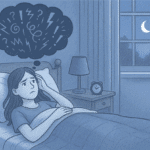
The third major type of panic attack occurs during sleep, waking teens from rest with intense symptoms of panic. These nocturnal panic attacks can be particularly disruptive to an adolescent’s well-being, as they interrupt the sleep that developing brains require.
Nocturnal panic differs from nightmares in important ways. While nightmares involve frightening dream content that wakes the person, nocturnal panic attacks aren’t triggered by dreams but rather occur when the body’s alarm system activates inappropriately during sleep.
Teens experiencing these attacks typically wake suddenly with the same physical and psychological symptoms they might experience during daytime panic.
Nighttime Symptoms
The symptoms of nocturnal panic attacks mirror those of daytime attacks but can feel even more intense due to the sudden transition from sleep to a state of extreme arousal. Common symptoms include severe heart palpitations, sweating, trembling, chest discomfort, and feelings of unreality.
Teens may feel a particularly strong sense of doom or fear of dying during nocturnal episodes. The disorientation of being awakened by these sensations often adds to the distress, as they struggle to process what’s happening in their semi-awake state.
Sleep Disruption
When nocturnal panic attacks occur, they typically wake adolescents from sleep with a startling intensity.
These episodes most commonly occur during the transition from stage 2 to stage 3 sleep, about 2–3 hours after falling asleep. The abrupt awakening with a racing heart, shortness of breath, and intense fear can be profoundly disorienting.
Impact on Rest
The consequences of nocturnal panic attacks extend far beyond the episodes themselves. After experiencing a nighttime attack, many adolescents develop sleep anxiety, fear of going to sleep due to concerns about having another attack.
This can lead to insomnia, sleep avoidance, and chronic sleep deprivation, which in turn can worsen anxiety and trigger more panic attacks, creating a troubling cycle.
How Do the 3 Types of Panic Attacks Differ from Each Other?
| Feature | Unexpected | Situational | Nocturnal |
| Trigger | None identifiable | A specific cue or feared situation | None; activates during sleep |
| Warning signs | None; strikes without notice | Anticipatory anxiety for hours or days | None; wakes the teen suddenly |
| Peak intensity | Within minutes of onset | Gradual build then rapid spike | Within seconds of waking |
| Typical pattern | Random, unpredictable episodes | Triggered by exposure or anticipation | Occurs in stage 2 to stage 3 sleep |
What Are the Causes of Panic Attacks?
Brain Chemistry
Research shows that panic attacks involve several key brain regions and neurotransmitter systems.
The amygdala, which processes fear responses, often shows heightened activity in individuals prone to panic. Meanwhile, the prefrontal cortex, responsible for rational thought and emotional regulation, may struggle to effectively modulate these fear responses.
Several neurotransmitters, including serotonin, norepinephrine, and gamma-aminobutyric acid (GABA), play important roles in regulating anxiety and panic. Imbalances in these chemical messengers can lower the threshold for panic attacks, making them more likely to occur.
Genetic Factors
There appears to be a genetic component to panic vulnerability, with research suggesting that panic disorder tends to run in families. While genetics may create a predisposition to panic, they don’t determine destiny.
Even with genetic vulnerability, effective treatment and management strategies can significantly reduce the impact of panic attacks on an adolescent’s life. At Mission Prep, we help families understand these genetic connections without viewing them as limiting factors in recovery.
Stress
Chronic stress is one of the most significant environmental contributors to panic attacks in adolescents. Academic pressures, social challenges, family conflicts, and other stressors can deplete psychological resources and lower the threshold for panic.
Trauma
Teens who have experienced trauma may develop heightened threat sensitivity, making their nervous systems more reactive to potential danger signals. This hypervigilance can trigger panic attacks in situations that remind them of past trauma, even subtly.
Improper Diet
Caffeine is one of the most direct contributors. Found in energy drinks, sodas, coffee-based beverages, and even some teas popular with teens, caffeine is a stimulant that increases heart rate and activates the body’s stress response; directly mimicking the physical sensations of a panic attack. For teens already prone to anxiety, even moderate caffeine intake can lower the threshold for an episode.
Skipping meals or irregular eating patterns are also common among adolescents and are frequently overlooked as panic contributors. When blood sugar drops significantly, the body releases adrenaline to compensate, which can produce symptoms including a racing heart, shakiness, and lightheadedness. All these can trigger or escalate a panic attack in vulnerable teens.
Get Panic Attack Treatment at Mission Prep

Panic attacks aren’t one experience with one fix. Unexpected, situational, and nocturnal attacks each follow a different pattern, carry different warning signs, and respond to different treatment angles. Recognizing which type of panic attack a teen is actually dealing with is the first real step toward calming the cycle and rebuilding their confidence.
This is the work we do every day at Mission Prep Healthcare. Our clinicians match each treatment plan to the type of panic a teen is living with, using CBT, exposure work, family involvement, and medication when appropriate. Reach out to us when you’re ready to get your teen the help they need from panic attacks.
Frequently Asked Questions (FAQ)
Can panic attacks cause physical damage?
No. Panic attacks activate the body’s fight-or-flight response, an acute reaction designed to be temporary and self-limiting. Symptoms like chest pain and a racing heart feel alarming, but don’t damage the heart, brain, or other organs, even when episodes repeat.
How long does a typical panic attack last?
Panic attacks typically peak within 10 minutes and resolve within 20–30 minutes, though some symptoms may linger longer. While they feel like they last forever during the experience, panic attacks are actually time-limited events that will pass, regardless of intervention.
Are panic attacks a sign of weakness?
No. Panic attacks come from biological vulnerability and environmental stressors, not character flaws or personal weakness. Many accomplished, capable people experience them, and seeking help shows strength and self-awareness.
Can children experience panic attacks?
Yes. Children and younger adolescents experience panic attacks too, but often describe them through physical complaints like stomach aches or feeling sick, since they may lack the vocabulary for symptoms like depersonalization or fear of losing control.
How does Mission Prep Healthcare’s treatment approach differ for each type of panic attack?
Mission Prep Healthcare provides individualized treatment plans based on the specific type of panic attacks an adolescent experiences. For unexpected attacks, we focus on CBT and interoceptive exposure to reduce fear-of-fear cycles.
Situational attacks are addressed through gradual exposure therapy and trigger identification. Nocturnal attacks receive integrated treatment combining panic management with sleep hygiene improvements.
Our full approach includes family involvement, medication when appropriate, and ongoing support to ensure lasting recovery for all types.