
Key Takeaways
- Parenting a teen with BPD requires different approaches than traditional parenting, focusing on validation, emotional safety, and consistency.
- Understanding that intense behaviors stem from emotional pain, not manipulation, helps parents respond with compassion rather than frustration.
- Validation techniques and creating calm environments are essential skills that help teens feel heard and supported.
- Evidence-based treatments like DBT and family therapy provide teens with crucial emotional regulation skills while involving the whole family.
- Mission Prep Healthcare offers comprehensive family-centered programs that equip both teens and parents with the tools needed for lasting healing.
When Traditional Parenting Strategies Don’t Work
You’ve tried everything. Time-outs, reward systems, heart-to-heart conversations, tough love, setting consequences; all the strategies that worked with your other children or that parenting books recommended. But with your teen who has borderline personality disorder, nothing seems to land the way it should. In fact, traditional approaches often seem to make things worse.
Here’s what many parents don’t realize: teens with BPD need fundamentally different parenting approaches. Their brains process emotions differently, their fears run deeper, and their needs are more complex than typical teenage challenges. The parenting toolkit that works for most teens simply isn’t equipped for the intensity of BPD.
This doesn’t mean you’ve been doing anything wrong. It means you need new strategies specifically designed for teens who experience emotions with overwhelming intensity, struggle with identity, and live in constant fear of abandonment. Understanding this difference is the first step toward becoming the parent your teen needs right now.
The Daily Reality: What Parenting a Teen with BPD Looks Like
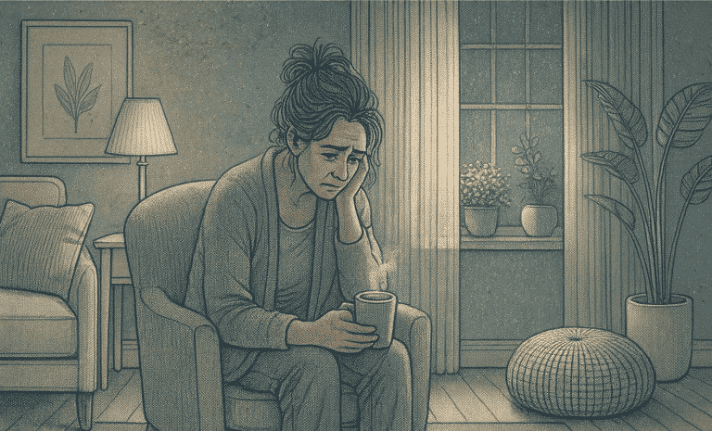
Parents of teens with BPD often describe feeling emotionally drained, constantly vigilant, and uncertain about how to respond without triggering another crisis.
If you’re parenting a teen with BPD, you probably know the feeling of walking on eggshells. You wake up unsure which version of your child you’ll encounter; the loving teen who wants to spend time with you or the one who sees you as the enemy. Small comments can trigger explosions. Calm mornings can deteriorate into chaos within minutes.
The emotional intensity is exhausting. Your teen doesn’t just feel sad; they’re devastated. They’re not simply angry; they’re enraged. And these feelings can shift rapidly, sometimes within the same conversation. You might be their favorite person one moment and the target of their fury the next.
Many parents describe feeling like they’re failing. You question your every decision. You lie awake wondering if you’re too strict or too lenient, too involved or too distant. The guilt weighs heavily, especially when you feel resentment toward your own child for the chaos their disorder brings into your home.
This is the daily reality, and acknowledging it doesn’t make you a bad parent. It makes you honest about how difficult this journey is.
Essential Parenting Skills That Make a Difference
Validation: The Foundation of Connection
Validation means acknowledging your teen’s feelings as real and understandable, even when you don’t agree with their behavior or interpretation of events. It’s not about saying they’re right or that their actions are acceptable. It’s about communicating that their emotions make sense, given how they’re experiencing the situation.
Instead of saying, “You shouldn’t feel that way” or “You’re overreacting,” try: “I can see you’re really hurt right now. That must feel awful.” This simple shift can de-escalate situations that might otherwise spiral.
Active Listening Without Judgment
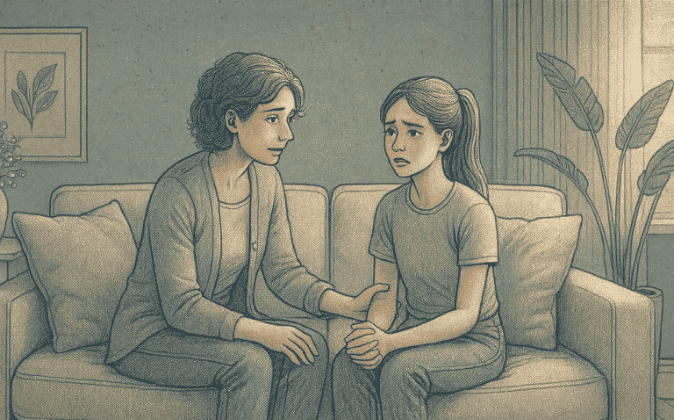
When your teen is upset, resist the urge to immediately fix, correct, or dismiss. Give them your full attention. Make eye contact. Reflect back what you’re hearing: “It sounds like you felt rejected when your friend didn’t respond to your text, and that brought up fears that she doesn’t care about you anymore.”
This kind of listening helps your teen feel genuinely heard rather than judged or dismissed, which is often what they fear most.
Creating Emotional Safety at Home
Emotional safety means your teen knows they can express feelings without being shamed, punished for having emotions, or told their feelings are wrong. It doesn’t mean accepting destructive behaviors; boundaries are still essential, but it means separating the emotion from the action.
You might say: “I understand you’re furious right now, and that’s okay. What’s not okay is throwing things. Let’s find a safer way to express that anger.”
Managing Your Own Emotions First
You cannot regulate your teen’s emotions while your own are escalating. When you feel anger, frustration, or panic rising, pause. Take deep breaths. Step away if needed. Your emotional state directly impacts your teen’s ability to calm down. When you remain calm and grounded, you become an anchor they can return to.
Practical Strategies for Difficult Moments
Theory is helpful, but what do you actually do when your teen is in crisis?
Responding to Emotional Outbursts
When your teen is in the midst of an emotional storm, remember that logic doesn’t work. They’re not thinking rationally, they’re overwhelmed by feelings. Don’t try to reason with them or convince them their perspective is distorted. Instead, focus on helping them feel safe.
Stay calm. Lower your voice rather than raising it. Use simple, soothing statements: “I’m here with you. You’re safe. This feeling will pass.” Sometimes your presence alone, without words, is what they need most.
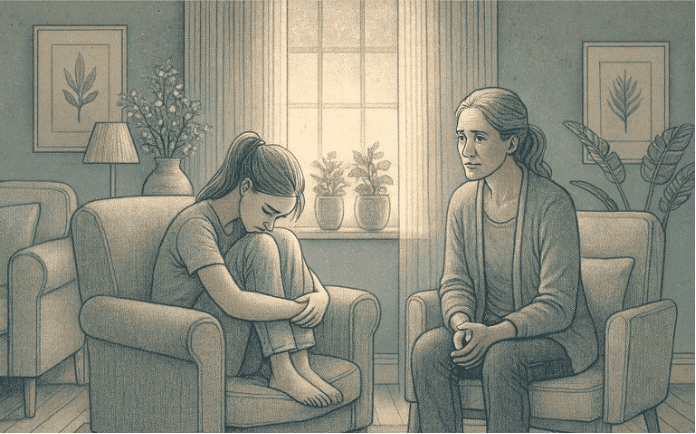
During emotional crises, teens with BPD need calm presence and validation more than logic or solutions.
Setting Boundaries With Compassion
Boundaries are essential, but how you set them matters enormously. Frame boundaries as protection for everyone rather than punishment. “I love you, and I won’t allow violence in our home. When you feel like you might hurt someone or break something, we need to use the calm-down strategies we’ve practiced.”
Enforce consequences consistently but without anger. Your teen needs to know that rules exist not because you’re trying to control them, but because you’re creating a safe environment for the whole family.
When to Step Back vs. Step In
Learn to distinguish between situations that need immediate intervention and those where your teen needs space. If there’s immediate danger, step in. Otherwise, sometimes the most helpful thing is to give them room to process emotions independently while staying nearby and available.
Understanding What Your Teen Really Needs
The Fear Behind the Anger
When your teen lashes out, they’re often terrified. Terrified of being abandoned, of not being good enough, of being too much for anyone to love. Their anger is often a defense mechanism protecting them from deeper, more vulnerable feelings they don’t know how to manage.
Understanding this helps you not take their words personally. When they say “I hate you,” they’re usually expressing “I’m scared you’re going to leave me like everyone else.”
Why They Push You Away
The push-pull dynamic is one of the most confusing aspects of BPD. Your teen desperately needs connection but also fears it intensely. Getting close means risking rejection, which feels unbearable. So they push you away as a way to control the abandonment they believe is inevitable.
This isn’t conscious manipulation. It’s a deeply ingrained pattern driven by genuine terror of being hurt.
Building Secure Attachment Despite the Chaos
Your teen needs to know your love is unconditional and consistent, even when their behavior isn’t. Find ways to demonstrate this regularly. Leave notes expressing love. Create small rituals of connection that happen regardless of how difficult the day has been. Show them that your commitment to them doesn’t waver based on their mood or behavior.
Creating Structure Without Control
Consistent Routines That Provide Safety
Predictable routines reduce anxiety. When teens know what to expect—regular meal times, consistent bedtimes, established check-in times—they feel more grounded. The structure itself becomes a source of security.
Passive vs. Direct Parenting Approaches
Direct parenting involves telling your teen what to do. Passive parenting involves helping them figure out solutions themselves. With BPD, passive approaches work better because they build your teen’s sense of capability.
Instead of: “You need to apologize to your sister right now.”
Try: “That argument with your sister was tough. What do you think might help repair that relationship?”
This approach helps them develop problem-solving skills and a stronger sense of self.
Helping Them Solve Problems
Resist the urge to rescue your teen from every difficult situation. Guide them toward solutions rather than providing them. Ask questions: “What are your options here? What do you think might work? What feels manageable to try first?”
This builds confidence and helps them internalize that they can handle challenges, which is crucial for identity development.
Treatment Options That Bring Real Hope
Dialectical Behavior Therapy for Families
DBT teaches specific skills for managing intense emotions, tolerating distress, improving relationships, and staying present. When families learn these skills together, everyone benefits. You develop a shared language for discussing emotions and strategies. You can practice skills together and support each other’s growth.
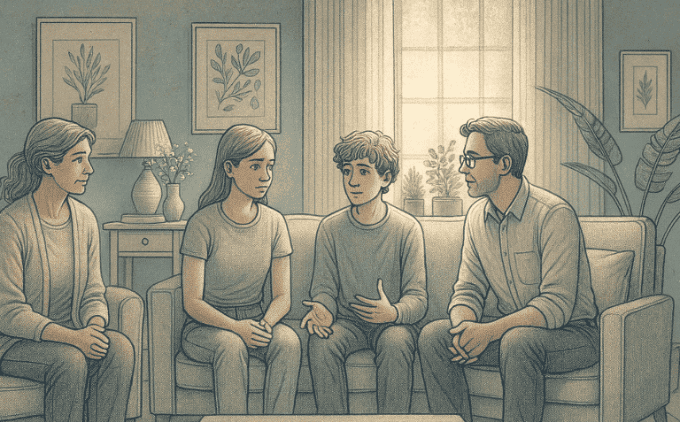
Family participation in treatment creates a common language and shared understanding that strengthens the entire family system.
Individual Therapy Approaches
Your teen needs individual therapy where they can work on their own emotional regulation, identity development, and relationship patterns. Therapies like DBT and Mentalization-Based Therapy help teens understand their thought patterns and develop healthier ways of responding to emotions.
Why Family Involvement Matters
BPD doesn’t exist in isolation; it affects and is affected by family dynamics. Family therapy helps everyone understand their roles, improve communication, and heal together. Parents learn strategies specific to their teen’s needs, while teens practice new skills in the safety of family sessions.
Skills Training Programs
Many treatment programs offer structured skills training where teens learn concrete techniques they can use daily. These might include mindfulness practices, distress tolerance strategies, emotion regulation tools, and interpersonal effectiveness skills.
Mission Prep’s Family-Centered Approach

Mission Prep creates healing environments where both teens and families develop the skills needed for lasting positive change together.
Mission Prep Healthcare recognizes that healing from BPD requires family involvement at every level. Our programs for adolescents ages 12 to 17 don’t just treat teens; we equip entire families with tools for success.
Our residential, outpatient, and telehealth programs incorporate evidence-based therapies specifically designed for BPD, including DBT and family therapy components. We understand that parents need support, education, and skill-building just as much as teens do.
What makes Mission Prep different is our commitment to treating the whole family system. We work with parents to develop effective strategies, process their own emotions around their teen’s diagnosis, and build confidence in their parenting approach. You’re not just dropping your teen off for treatment, you’re becoming an active partner in their healing journey.
Our experienced clinicians specialize in adolescent BPD and understand the unique challenges families face. We create individualized treatment plans that address your teen’s specific needs while supporting family healing and long-term behavioral change.
Every family we work with leaves equipped not just with knowledge about BPD, but with practical skills they can use every day to create a healthier, more connected family dynamic.
Frequently Asked Questions (FAQ)
How do I respond when my teen has an emotional outburst?
Stay calm and present. Don’t try to reason with them or convince them their feelings are wrong. Use simple validation: “I can see you’re really upset right now.” Ensure safety first, then give them space to feel the emotion while staying nearby and available. Once they’re calmer, you can discuss what happened and practice alternative responses for the future.
What is validation and how do I practice it?
Validation means acknowledging that your teen’s feelings make sense from their perspective, even if you don’t agree with their interpretation or behavior. Practice by listening fully, reflecting what you hear, and communicating understanding. Instead of “You’re overreacting,” try “I can see why that would feel hurtful to you.” Validation doesn’t mean agreement—it means acknowledging their emotional experience as real.
Can my teen’s BPD improve with treatment?
Yes. With appropriate therapy, family support, and commitment to the healing process, teens with BPD can make significant improvements. Many individuals who receive early, effective treatment develop strong emotional regulation skills and build healthy relationships. Treatment doesn’t “cure” BPD, but it provides tools that dramatically improve quality of life and functioning.
What role do parents play in Mission Prep’s programs?
Parents are essential partners in our treatment approach. You’ll participate in family therapy sessions, learn strategies for supporting your teen at home, attend educational workshops about BPD, and develop your own skills for managing stress and emotions. We communicate regularly with parents, involve you in treatment planning, and provide ongoing support as your family navigates this journey together. Reach out to Mission Prep Healthcare today!