Key Takeaways
- Parenting a teen with ADHD becomes more effective when you use the 5 C’s framework, which provides practical strategies that align with how ADHD affects attention, emotions, and decision-making.
- Consistency and self-control help reduce conflict by creating predictable routines and teaching emotional regulation through steady parental responses.
- Compassion and collaboration strengthen trust by addressing executive function challenges while involving teens in solutions that support their growing independence.
- Celebration reinforces motivation and confidence by recognizing effort and progress in ways that support the ADHD brain’s reward system.
- Mission Prep Healthcare helps teens with ADHD build emotional regulation, coping skills, and healthy family relationships through structured, evidence-based adolescent mental health treatment.
Parenting a Teen with ADHD
Parenting a teen with ADHD works best when you use the 5 C’s framework: Consistency, Self-Control, Compassion, Collaboration, and Celebration. These five practices give you a structured way to support a brain whose prefrontal cortex develops up to three to five years later than a neurotypical teen’s, which changes what actually works at home.
Each C addresses a specific challenge ADHD teens face, from emotional regulation to motivation gaps. Applied together, the 5 C’s reduce daily friction at home. At Mission Prep Healthcare, we build these same principles into our adolescent ADHD care, so families and clinicians work from the same playbook.
Below, we’ll break down each of the 5 C’s and show how they can help create a more positive and supportive home environment for teens with ADHD.
How Can You Parent a Teen with ADHD Using The 5 C’s?
1. Consistency
For teens with ADHD, the world can feel chaotic and unpredictable. Their internal regulation systems don’t automatically create the structure neurotypical brains develop, so they rely heavily on external structure.
When expectations, routines, and consequences remain steady, teens with ADHD can devote their mental energy to growth rather than constantly trying to figure out the changing rules.
Creating Predictable Routines That Stick
Creating effective routines for teens with ADHD requires more than just making a schedule. Involve your teen in developing these routines so they have ownership in the process.
Start with just one routine at a time, perhaps morning or homework time, and keep it simple with clear visual reminders. Many parents find success using digital tools like reminder apps that teens respond to better than verbal prompts.
Setting Clear Boundaries Without Power Struggles
Clear, concise rules work better than vague expectations. Instead of saying “be responsible,” specify “homework starts at 7 pm at the kitchen table with the phone in the basket.”
When discussing boundaries, use a collaborative approach: “Here’s what I need to see happen. What do you think would help you meet this expectation?”
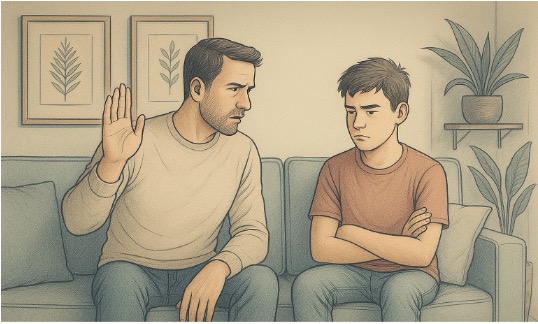
Write down agreed-upon expectations and review them regularly. When boundaries are tested, and they will be, respond consistently without escalating into power struggles.
2. Self-Control
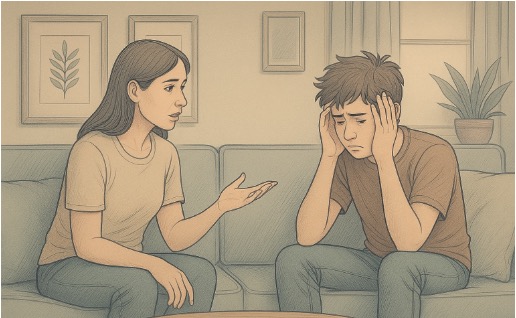
Parents who regulate their own emotions raise teens with stronger self-regulation. Your calm during heated moments does more than prevent escalation. It teaches your teen’s brain how to respond to frustration.
This isn’t about suppressing emotion or walking on eggshells. Remember that ADHD behaviors are largely neurological, not disrespectful. That shift creates the distance needed to respond thoughtfully.

Recognizing Your Emotional Triggers
Every parent has specific behaviors that push their emotional buttons. For parents of teens with ADHD, common triggers include repeated requests, apparent disregard for consequences, and seeming indifference to important responsibilities.
Take time to identify your specific triggers and the emotions they evoke, whether frustration, helplessness, or worry about your teen’s future.
Modeling the Behavior You Want to See
Teens with ADHD are constantly watching how you handle frustration, setbacks, and conflicts. When you make a mistake, use it as an opportunity to demonstrate accountability by acknowledging it, apologizing if needed, and showing how to make amends.
This modeling is particularly impactful because the ADHD brain learns better from demonstration than instruction.
3. Compassion
Compassion fundamentally shifts how you interpret your teen’s behavior. Instead of seeing laziness, defiance, or carelessness, you recognize these behaviors as manifestations of executive function challenges.
This perspective change doesn’t excuse problematic behavior, but it does allow you to address the real issues rather than misattributing symptoms to character flaws.
The Science Behind Executive Function Delays
Research shows that the brains of teens with ADHD develop differently, particularly in regions controlling attention, impulse control, and emotional regulation.
The prefrontal cortex, responsible for executive functions, may develop up to 3–5 years behind schedule in adolescents with ADHD. These neurological differences aren’t visible but profoundly impact daily functioning.
Separating the Teen from Their Behavior
One of the most impactful shifts parents can make is distinguishing between who your teen is and what their ADHD causes them to do. Your teen isn’t trying to be forgetful, disorganized, or emotionally reactive, these are symptoms of their neurological difference.
This distinction helps maintain your positive connection even during challenging behaviors.
4. Collaboration
Rather than imposing solutions that trigger resistance, collaboration engages your teen’s problem-solving abilities and respects their growing need for autonomy.
This approach builds critical executive function skills while preserving your relationship.
Problem-Solving Together vs. Imposing Solutions
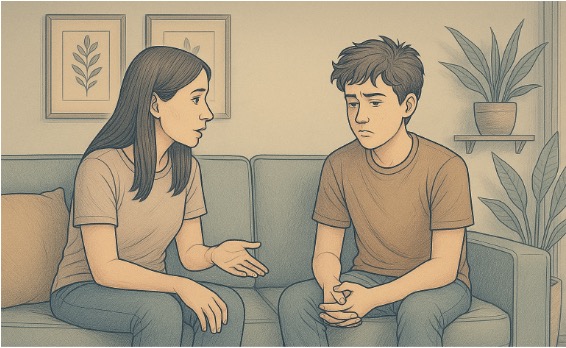
When issues arise, whether academic struggles, missed responsibilities, or social conflicts, invite your teen into the problem-solving process.
Start with curious questions: “What do you think is getting in the way here?” or “What solutions might work for this situation?” Listen openly to their ideas before offering your own.
This respects their autonomy while still providing guidance. The imperfect solutions your teen helps create will be more effective than perfect solutions they resist.
Creating Systems That Your Teen Helps Design
The most effective organizational systems incorporate your teen’s preferences and processing style. Include them in designing homework spaces, morning routines, or technology guidelines.
Ask questions like “Would a visual checklist or reminders on your phone work better for you?” Their input increases both the system’s effectiveness and their commitment to using it.
5. Celebration
The ADHD brain has altered reward circuitry that makes it harder to stay motivated by distant or abstract rewards. Regular celebration of effort and incremental progress provides the dopamine boosts that help rewire motivation pathways over time.
This strategy counters the negativity bias that many teens with ADHD develop after years of correction and criticism. By intentionally noticing and acknowledging positive efforts, you help your teen build a more balanced self-perception and increase their resilience when facing challenges.
Specific Ways to Celebrate Effort
The most effective celebrations are immediate, specific, and genuine. Avoid generic praise like “good job” in favor of detailed observations that help your teen connect their efforts with positive outcomes.
Even a simple “I noticed…” statement drawing attention to a small improvement can be helpful in reshaping how teens with ADHD view themselves.
Celebration doesn’t always mean rewards or prizes. Often, sincere verbal recognition holds the most emotional value, especially when it highlights qualities your teen values in themselves.
Creating a Positive Feedback Loop That Builds Confidence
Regular celebration creates a virtuous cycle that turns both behavior and self-perception. As your teen receives more positive feedback, their confidence grows, making them more willing to tackle challenges and persist through difficulties.
This increased effort leads to more successes, which create more opportunities for celebration, continuing the positive cycle.
The 5 Cs for Parenting Teens with ADHD: Summary Table
| The 5 C | What It Means | How to Apply It |
| Consistency | Predictable routines and steady expectations reduce daily anxiety. | Build one routine at a time and use visual reminders. |
| Self-Control | Your calm reaction trains your teen’s regulation skills. | Pause, name your trigger, then respond instead of reacting. |
| Compassion | ADHD behavior reflects brain wiring, not character flaws. | Separate the teen from the symptom before correcting. |
| Collaboration | Shared problem-solving respects autonomy and builds skills. | Ask what’s getting in the way before offering solutions. |
| Celebration | Frequent recognition rewires motivation pathways over time. | Praise specific effort right when you notice it. |
How Can Mission Prep Help Teens with ADHD?
Visit Mission Prep for comprehensive ADHD treatment.
The 5 C’s give parents a clear way to meet their teen where their brain actually is. Consistency builds structure, self-control models regulation, compassion reframes behavior, collaboration respects autonomy, and celebration rewires motivation. Together, these shifts change daily life at home.
Some teens need more than what home routines can offer, and the residential and outpatient programs at Mission Prep Healthcare are built for those moments. We combine behavioral therapy, emotional regulation training, group counseling, and family sessions in a structured setting so teens leave with skills that hold up long after ADHD treatment ends. Start your teen’s recovery journey with Mission Prep Healthcare today.
Frequently Asked Questions
What should I do when the 5 C’s aren’t working during a crisis?
Focus solely on de-escalation and safety during acute crises rather than teaching or problem-solving. Use simple, direct language, maintain calm, and remove stimulating factors.
After everyone is calm, which might be hours later, apply the 5 C’s framework to process what happened and develop preventive strategies. These intense episodes reflect regulatory challenges, not deliberate choices.
How can I help my ADHD teen with school when they refuse my support?
Transition to a consultant role by asking what support would feel helpful to them. Options include peer tutors, homework coaches, or digital tools providing structure without parental oversight.
Collaborate with teachers and school counselors for supports that respect growing independence while addressing ADHD challenges. Sometimes stepping back strategically is more effective than pushing against resistance.
Should I tell my teen’s teachers about their ADHD diagnosis?
Include your teen in this decision, balancing privacy concerns with need for academic support. If disclosing, provide specific information about how ADHD affects learning along with effective strategies.
Focus on strengths, challenges, and request regular communication. Whether or not you formally disclose, maintaining collaborative teacher relationships creates beneficial support networks.
When might families need Mission Prep Healthcare’s residential treatment for teens with ADHD?
Mission Prep Healthcare’s residential programs become valuable when ADHD challenges exceed what can be managed at home or in traditional settings.
Consider our specialized services if teens show severe impulsivity leading to unsafe behaviors, intense academic struggles affecting self-esteem and future prospects, or family tensions straining relationships.
Our immersive environments provide behavioral therapy, emotional regulation training, and family support to help teens develop effective coping strategies and self-regulation skills.