
Key Takeaways
- Inpatient and outpatient teen mental health programs are the two main treatment options, with inpatient care providing 24/7 residential support and outpatient care allowing teens to live at home while attending therapy sessions.
- Inpatient programs offer intensive supervision, crisis stabilization, and a structured environment that can accelerate recovery for teens with severe mental health needs.
- Outpatient programs provide greater flexibility, lower disruption to school and family life, and more opportunities for teens to practice coping skills in real-world settings.
- The main drawbacks are that inpatient care can feel restrictive and requires time away from home, while outpatient care may not provide enough support during severe crises.
- Mission Prep Healthcare treats teens ages 12–17 through residential, outpatient, and Virtual Intensive Outpatient Programs (VIOPs), helping families access the level of care that best matches their teen’s needs.
Inpatient vs Outpatient for Teens: What You Need to Know
Choosing between inpatient and outpatient teen mental health programs depends largely on how acute the condition is, whether the teen is a risk to themselves or others, how stable the home environment is, and what the family can afford long-term. Inpatient treatment provides around-the-clock care in a residential setting, while outpatient treatment allows teens to receive therapy while maintaining their daily routines.
Mission Prep Healthcare helps families make this decision by offering residential treatment, outpatient services, and VIOPs for adolescents ages 12–17. Because both levels of care are available within the same organization, families can receive guidance on which option best fits their teen’s circumstances and transition between programs when clinically appropriate.
The rest of this guide compares both program types side by side so you can spot which one fits your teen.
How Do Inpatient Teen Mental Health Programs Work?
Inpatient programs are designed for teens who require intensive care and supervision. These programs provide a safe and structured environment where teens can receive round-the-clock support from mental health professionals.
This level of care is typically recommended for severe mental health issues that put a teen’s safety or daily functioning at serious risk, including depression, severe anxiety disorders, bipolar disorder, PTSD, schizophrenia, severe OCD, and eating disorders affecting physical health. It is also appropriate when a teen is at risk of harming themselves, such as having active suicidal thoughts, a recent attempt, or ongoing self-injury. In some cases, a teen may also pose a risk to others through serious aggression, threats of violence, or unpredictable behavior that makes the home environment unsafe.
Intensive Care
The primary goal of inpatient programs is to stabilize the teen’s mental health condition and provide immediate intervention. During their stay, teens participate in a variety of therapeutic activities, including individual therapy, group sessions, and family counseling, to ensure that all aspects of the teen’s mental health are addressed.
Inpatient care also involves medication management, if necessary, and close monitoring of the teen’s progress. This way, teens focus solely on their recovery without the distractions and stresses of daily life.
Pros of Inpatient Care
The benefits of inpatient care are numerous, most significantly, the constant access to professional support.
Inpatient programs also provide a break from potentially harmful environments, allowing teens to focus on healing in a safe and supportive setting. The intensive nature of these programs often leads to quicker stabilization and improvement in mental health symptoms.
Cons of Inpatient Care
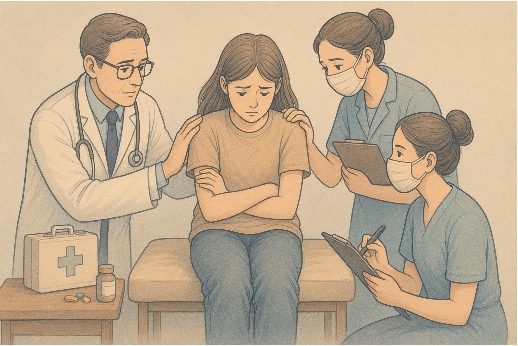
The highly structured environment can feel restrictive for some teens, and being away from home and familiar surroundings can be challenging. Plus, the cost of inpatient care can be high, and not all families have access to insurance coverage that fully supports this level of treatment.
Also, the transition back to daily life after discharge can be difficult. It requires careful planning and ongoing support to ensure that the progress made during inpatient treatment is maintained.
How Do Outpatient Teen Mental Health Programs Work?
Outpatient programs are treatment options designed for individuals who do not require 24-hour supervision but still need support for their recovery. Teens can attend therapy sessions during the day or in the evening and attend other activities while living at home or in a supportive environment.
Program Flexibility
Outpatient programs allow teens to continue attending school, participating in extracurricular activities, and maintaining social connections, which can be particularly beneficial for teens who thrive in familiar environments and have a supportive home life.
Outpatient care is designed to integrate seamlessly into a teen’s daily routine. Treatment sessions are scheduled around other commitments, so teens can receive the support they need without significant disruption to their lives.
Pros of Outpatient Care
Aside from flexibility, outpatient care lets teens apply what they learn in therapy to real-world situations. This can improve the effectiveness of treatment, as teens can practice coping strategies and problem-solving skills in their everyday lives.
Outpatient programs also tend to be more cost-effective than inpatient care, so they’re more accessible to a wider range of families.
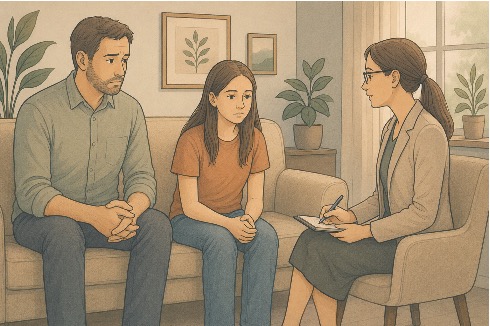
Another benefit is the involvement of family members in the treatment process. Outpatient programs often include family therapy sessions, which can strengthen family dynamics and improve communication.
Cons of Outpatient Treatment
One potential drawback of outpatient therapy is the limited supervision compared to inpatient programs. Teens may not receive the same level of immediate support in a crisis, which can be a concern for those with severe mental health issues.
Also, the success of outpatient treatment largely depends on the teen’s home environment; a lack of support or exposure to negative influences can hinder progress. It’s important for families to provide a stable and nurturing environment to maximize the benefits of outpatient care.
Comparative Analysis
Effectiveness Evaluation
The effectiveness of a mental health program is often measured by the progress a teen makes during and after treatment. Inpatient programs typically yield faster results due to their intensive nature and constant professional oversight.
However, outpatient programs can be equally effective for teens with less severe issues or those who benefit from applying therapeutic techniques in real-life scenarios.
Cost Comparison
Cost is a significant factor for many families when choosing a mental health program. Inpatient care is generally more expensive due to the comprehensive services and 24/7 supervision it provides.
Outpatient programs are more affordable, and therefore a more feasible option for families with limited financial resources or those without extensive insurance coverage.
Accessibility & Support
Inpatient programs are located in specialized facilities and require extended stays away from home, which can pose logistical challenges for families, particularly those in rural areas.
Outpatient programs, on the other hand, are more widely available and can be accessed within the community. At Mission Prep Healthcare, we also offer Virtual Intensive Outpatient Programs (VIOPs) to teens in California or Washington so that they can heal in the comfort of their homes.
Inpatient vs Outpatient Teen Mental Health Programs: Comparison Table
| Feature | Inpatient Programs | Outpatient Programs |
| Setting | Teen lives at a treatment facility full-time | Teen lives at home and attends scheduled sessions |
| Supervision | 24/7 clinical and medical oversight | Limited to session times |
| Best for | Severe conditions, crisis stabilization, safety risks | Mild to moderate conditions with stable home support |
| Typical length | A few weeks to a few months | Several months to a year or longer |
| School and routine | Paused; academic support provided onsite | Maintained alongside treatment |
| Therapy types | Individual, group, family, plus medication management | Individual, group, and family therapy |
| Family involvement | Scheduled family sessions and visits | Frequent, often weekly involvement |
| Cost | Higher per day due to room, board, and round-the-clock care | Lower per session and more flexible to the budget |
| Insurance coverage | Often requires preauthorization and medical necessity review | Usually covered with fewer restrictions |
| Crisis response | Immediate, onsite intervention available | Relies on outside emergency services if a crisis hits |
| Transition support | Discharge planning and step-down to outpatient care | Ongoing care with adjustments as needed |
Mission Prep Offers Comprehensive Teen Mental Health Care

Choosing between inpatient and outpatient care is rarely a simple call. The right answer depends on how serious the condition is, what kind of support your teen has at home, and how much structure they need to stay safe. Both paths can lead to real recovery when the level of care matches the situation.
At Mission Prep, we treat teens ages 12 to 17 via our residential, outpatient, and VIOPs in California, Minnesota, and Virginia. Our team works only with adolescents, builds each treatment plan around the individual teen, and involves families at every step so progress made in treatment holds at home. Start your teen’s recovery journey with Mission Prep Healthcare today.
Frequently Asked Questions (FAQ)
What is the difference between inpatient and outpatient care?
Inpatient care involves a residential stay in a mental health facility where teens receive 24/7 supervision and support. This type of care is intensive and typically used for severe mental health conditions.
Outpatient care, on the other hand, allows teens to live at home while attending scheduled therapy sessions. It provides flexibility and is suitable for less severe issues.
When should a teen consider inpatient treatment?
Inpatient treatment is recommended for teens experiencing severe mental health issues that pose a risk to themselves or others. It is also appropriate when outpatient care has not been effective, or when a teen requires a structured environment to focus on recovery without outside distractions.
Are outpatient programs effective for severe issues?
Outpatient programs can be effective for severe issues if there is a strong support system at home and the teen is motivated to engage in treatment. However, they may not provide the immediate, intensive intervention needed for acute crises. In such cases, inpatient care may be more appropriate.
How involved are parents in teen mental health treatment?
Family involvement is pivotal to effective teen mental health treatment. In both inpatient and outpatient settings, parents typically participate in family therapy sessions, receive education about their teen’s condition, and learn supportive strategies to implement at home. The level of involvement may vary based on the program and individual needs.
At Mission Prep Healthcare, we consider parents important partners in the treatment process, providing opportunities for meaningful participation while respecting appropriate boundaries and the therapeutic relationship.