

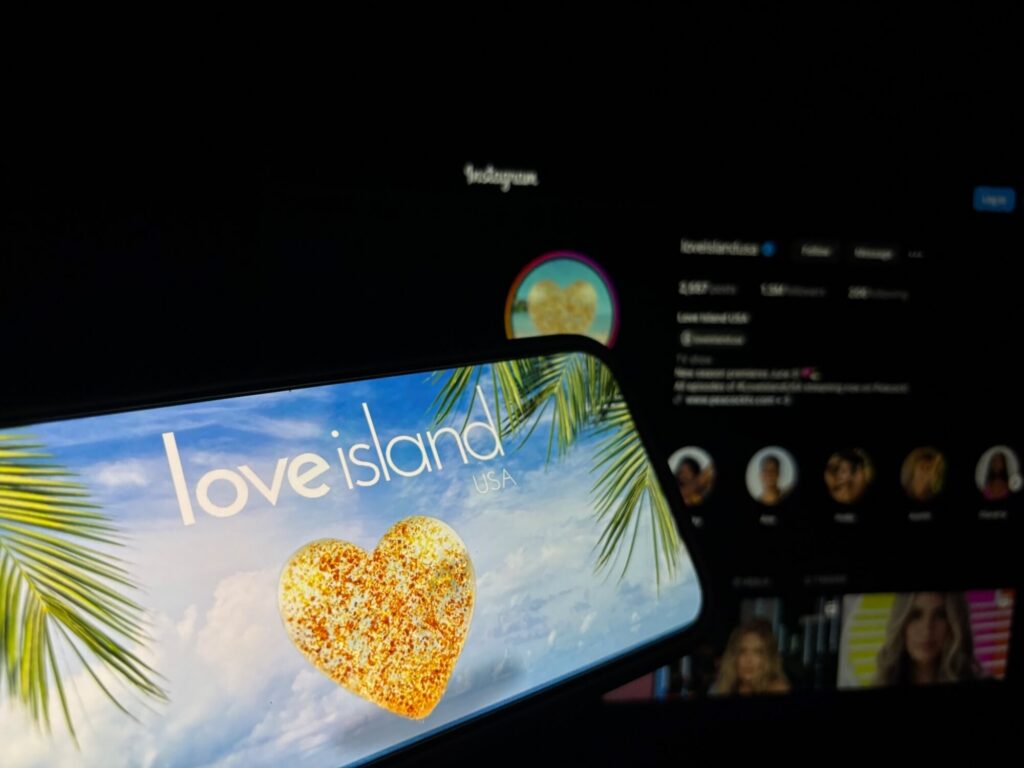
Every year, the internet gets excited when a new season of Love Island is announced. Fans immediately begin following contestants on Instagram, TikTok, Snapchat, and other platforms to learn more about the people who will be entering the villa.
But lately, something else has become part of the tradition.
Before the first episode even airs, viewers often search through years of contestants’ social media content looking for old posts, videos, comments, or screenshots that could be considered offensive or controversial.
This season, contestant Vasana Montgomery was removed from Love Island USA before the show even premiered after videos resurfaced showing her using a racial slur. The clips quickly spread online and sparked conversations about accountability, social media history, and the lasting impact of what we post online.
While situations like this can lead to important discussions about harmful language and behavior, they also raise bigger questions about digital citizenship and how social media follows us throughout our lives.
The Internet Remembers More Than You Think
Many teens grow up hearing that “the internet is forever,” but it can be hard to fully understand what that means until situations like this make headlines.
A video posted years ago can suddenly resurface. A screenshot from an old Snapchat story can be saved by someone else. A comment made as a teenager can show up years later when applying for a job, college, internship, scholarship, or public opportunity.
One of the biggest misconceptions about social media is that platforms like Snapchat are temporary.
While messages may disappear, screenshots, screen recordings, and saved content can last indefinitely.
Something that feels funny, harmless, or unimportant in the moment can take on a completely different meaning years later.
That is why it is important to think carefully before posting anything online, regardless of the platform.

What Is Digital Citizenship?
Digital citizenship is the way we behave online.
It includes how we communicate with others, how we handle disagreements, how we share information, and how we manage our own digital footprint.
Being a responsible digital citizen means understanding that online actions have real-world consequences.
It means asking questions like:
- Would I be comfortable if this post resurfaced years from now?
- Would I say this to someone’s face?
- Could this hurt someone else?
- Does this reflect the kind of person I want to be?
These questions may seem simple, but they can make a huge difference.
Accountability Matters
When harmful language or behavior comes to light, accountability is important.
Words carry weight, especially when they involve slurs, discrimination, or language that harms specific communities.
Conversations about accountability can help people learn, grow, and understand the impact of their actions.
At the same time, accountability is not always the same thing as online harassment.
There is a difference between discussing someone’s behavior and sending thousands of hateful messages, threats, or attacks.
Unfortunately, social media often blurs that line.
When Accountability Becomes Cyberbullying
One of the most concerning parts of internet culture is how quickly criticism can turn into cyberbullying.
When someone becomes the target of online outrage, thousands of strangers may join in without fully understanding the situation.
People leave cruel comments. Others create videos mocking them. Some send direct messages filled with hate.
What starts as a conversation about a mistake can quickly become a pile-on.
For teens watching these situations unfold, it is important to remember that there is a real person on the other side of the screen.
Nobody deserves harassment.
Even when someone has made mistakes, attacking them relentlessly rarely creates meaningful change.
People Are Allowed to Grow
One of the most important conversations we can have about social media is whether people should be defined forever by their worst moment.
The reality is that many people look back at things they said or did years ago and cringe.
Teenagers, especially, are still learning, developing, and figuring out who they want to become.
Growth is part of being human.
This does not mean harmful behavior should be ignored. It means that accountability should leave room for reflection, education, and change.
Instead of only asking, “What did this person do?” we can also ask, “Who are they now?”
Both questions matter.
Social media has created a world where mistakes can follow people into adulthood, sometimes long after they have changed.
That is why thinking before posting is so important. It is also why offering room for growth can be equally important.

What Teens Can Learn From This
The conversation surrounding Love Island contestants is bigger than reality television.
It is a reminder that every post, comment, video, and story contributes to your digital footprint.
It is also a reminder that how we treat people online matters.
As social media continues to become part of everyday life, digital citizenship is one of the most important skills young people can develop.
That means:
- Thinking before posting.
- Being mindful of what you share.
- Understanding that screenshots last forever.
- Avoiding cyberbullying.
- Practicing empathy online.
- Taking accountability when you make mistakes.
- Allowing room for people to learn and grow.
At the end of the day, social media is powerful.
It can connect people, create opportunities, and build communities. It can also cause harm when used carelessly.
The next time you see a viral post exposing someone’s past or find yourself about to post something online, pause and ask yourself one question:
Will this help create the kind of digital world I want to be part of?
That answer matters more than you might think.