

Key Takeaways
- Transcranial Magnetic Stimulation (TMS) is an effective treatment for teen depression, with studies showing about 70% of adolescents experience meaningful symptom improvement, especially when previous treatments have not worked.
- TMS works by stimulating underactive mood-regulating brain circuits, helping improve depression symptoms without the systemic side effects associated with antidepressant medications.
- TMS sessions are short, noninvasive, and generally well tolerated by teens, with most side effects limited to temporary headaches, scalp discomfort, or mild fatigue.
- Parents should expect gradual progress over several weeks and achieve the best outcomes when TMS is combined with therapy, healthy routines, and ongoing family involvement.
- Mission Prep Healthcare provides teen-focused, family-centered mental health care, including TMS, through residential, outpatient, and Virtual Intensive Outpatient Programs (VIOPs), giving adolescents structured, supportive environments for sustainable recovery.
Is TMS Effective for Teen Depression?
TMS is proving to be one of the most effective treatments for teen depression, using gentle magnetic pulses to wake up the brain circuits that regulate mood. In a large real-world study, around 70% of adolescents felt meaningful relief within 2 to 3 weeks, far faster than the 4 to 6 weeks most antidepressants need to take hold.
This drug-free approach can help reduce depressive symptoms while allowing teens to continue their normal daily routines. At Mission Prep, TMS is offered alongside therapy, family involvement, and academic support, so teens recover within a complete system of care rather than through a single treatment.
The sections below cover how TMS works, what the research shows, the safety profile for teens, and how parents can prepare.

What Is TMS and How Does It Work for Depression?
Transcranial Magnetic Stimulation (TMS) has a unique approach to depression treatment. Instead of altering brain chemistry with medication, TMS directly stimulates neural circuits that regulate mood, making it valuable for adolescents who don’t respond to traditional treatments or cannot tolerate medication side effects.
The Science Behind TMS
TMS generates magnetic pulses that pass through the skull to activate neurons in targeted brain regions. The primary focus is the dorsolateral prefrontal cortex (DLPFC), often underactive in depression. Repeated stimulation across sessions helps normalize activity in mood-regulating networks.
A 2019 study found TMS led to clinically meaningful changes in depressive symptoms in adolescents with treatment-resistant depression.
During adolescence, the prefrontal cortex undergoes remodeling, and TMS can take advantage of this neuroplasticity to promote healthier neural pathways. Modern TMS precisely targets affected circuits without impacting surrounding tissue.
How TMS Differs from Medication & Other Treatments
Unlike antidepressants that affect the whole brain, TMS is targeted, reducing systemic side effects. Unlike ECT, it doesn’t require anesthesia, cause seizures, or impair memory, allowing teens to continue school and daily activities.
Results can appear within 2–3 weeks, faster than the typical 4–6 week medication timeline, which is important for minimizing disruption during formative years.
What Happens During a Typical TMS Session
Sessions are specific to adolescent needs. The provider locates the precise coil placement and motor threshold for each teen.
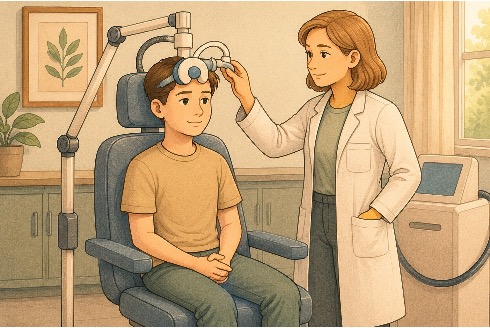
Treatments last 20–40 minutes, with teens sitting comfortably while the coil delivers rhythmic pulses to the prefrontal cortex. Most report the sensation as unusual but not painful, and they quickly adapt.
The Evidence: Does TMS Really Help Depressed Teens?
Research on TMS for adolescent depression is growing, showing promising results similar to those in adults. While studies are fewer, multiple investigations demonstrate safety and effectiveness specifically in teens.
Clinical Study Results
A large real-world study of adolescents and young adults found that TMS led to meaningful improvement in depressive symptoms, with around 70% reporting benefits and a clear dose-response effect over the course of treatment
Comparisons to Traditional Treatments
TMS may offer advantages for adolescents who don’t respond to medication. The STAR*D study showed that each failed medication trial reduces the chance of subsequent response, whereas TMS remains effective even in treatment-resistant cases.
Response rates for TMS are comparable or superior to SSRIs, with fewer side effects and better tolerance in teens.
Real Patient Outcomes
TMS can meaningfully improve quality of life. Teens often experience restored motivation, energy, and engagement in school, hobbies, and family life, sometimes before their mood fully stabilizes.
These improvements support active participation in recovery through therapy and healthy lifestyle changes, helping adolescents break free from depressive inertia.
Safety Profile of TMS for Teenage Brains
Safety is a top priority when treating adolescents. TMS has shown an excellent safety record in teens, with no negative effects on cognitive function, brain development, or long-term neurological health.
Common Side Effects
Side effects are generally mild and temporary, similar to those in adults:
- Scalp discomfort or mild headache (usually resolves within 24 hours)
- Temporary fatigue after initial sessions
- Occasional lightheadedness or difficulty sleeping
These effects often ease as teens adjust, and over-the-counter pain relievers or scheduling adjustments can help. Unlike medications, TMS avoids weight gain, sexual dysfunction, emotional blunting, or gastrointestinal issues, supporting better adherence and completion of therapy.
Finding Qualified Providers
Choose a provider experienced in adolescent TMS. Ideally, a child/adolescent psychiatrist works alongside the TMS team to tailor treatment. Ask about their experience with teenage patients, age-specific protocols, and outcomes to ensure safe, effective care.
What Do Parents Need to Know Before Starting TMS?
Deciding on TMS for your teen requires understanding the science, practical logistics, and setting realistic expectations. Time, costs, and coordination with therapy or medication should be planned in advance. Open communication with your teen and the treatment team supports better outcomes.
Supporting Your Teen
Parental support is vital. Create a comfortable routine around sessions and acknowledge the commitment your teen is making. Be attentive to subtle mood changes and maintain privacy while avoiding stigmatizing language, as teens may feel embarrassed or worry about peer perceptions.
Combining TMS with Other Therapies
TMS is most effective as part of a comprehensive approach. Continuing psychotherapy during TMS enhances engagement, while therapy provides coping strategies to extend benefits. Some teens may continue or adjust medication under supervision, and lifestyle factors like exercise, sleep, and nutrition further improve outcomes.
Setting Realistic Expectations
TMS works gradually. Many adolescents notice improved energy first, followed by sleep, motivation, and mood over several weeks. Benefits often continue after treatment ends, lasting 6–12 months, though some may need maintenance sessions.
- Improvement typically begins weeks 2–4
- Energy and motivation often improve before mood
- A partial response can still enhance the quality of life and therapy engagement
Get Evidence-Based Teen TMS from Mission Prep

TMS gives families a real option when antidepressants fall short or take too long. It works faster, targets the brain regions tied to mood, and avoids many side effects that make medication hard for teens. Paired with therapy and family support, it can meaningfully shift a teen’s recovery path.
At Mission Prep Healthcare, we treat teens aged 12 to 17 through residential, outpatient, and VIOPs that combine TMS with Cognitive Behavioral Therapy (CBT), Dialectical Behavior Therapy (DBT), Eye Movement Desensitization and Reprocessing (EMDR), academic support, and family therapy. We build each plan around your teen so the progress made in treatment carries into school, home, and everyday life. Give your teen a fresh start with TMS at Mission Prep.
Frequently Asked Questions (FAQs)
Will TMS interfere with my teen’s daily activities?
Most teens can continue school, sports, and hobbies during TMS. Sessions last 20–40 minutes, and side effects are usually mild. Concentration and energy are rarely affected, allowing daily routines to continue uninterrupted throughout treatment.
How long does it take for TMS to kick in?
Subtle improvements in energy, motivation, and sleep often appear within 2–3 weeks. Mood changes typically follow by weeks 3–5, with full benefits emerging over the complete 6–8 week course. Progress may continue even after treatment concludes.
How is TMS administered for teens?
Each teen’s motor threshold is measured, and coil placement, intensity, and session duration are adjusted to match their unique brain physiology. This personalization ensures the treatment is safe, effective, and specific to the adolescent’s needs.
Does TMS disrupt brain activity?
Research indicates TMS does not harm adolescent brain activity, cognitive function, or long-term neurological health. It is considered a safe alternative to medications that can have broader systemic side effects, making it suitable for teens.
What options are available if my teen needs additional support beyond TMS?
If TMS helps but your teen still struggles with depression, anxiety, or other mental health challenges, specialized adolescent programs can provide comprehensive care. Facilities like Mission Prep Healthcare offer residential, outpatient, and VIOPs combining therapy, academic support, and family involvement to help teens build long-term resilience and recovery.