

Healthy teen relationships are supposed to feel safe, supportive, and caring. But for many adolescents, relationships can slowly become controlling, frightening, or emotionally exhausting without them realizing it at first.
One reason dating abuse is hard to recognize is that it doesn’t always involve physical violence. Yet control, fear, guilt, and emotional manipulation can seriously affect a teen’s mental health and confidence.
Abuse can happen in any teen relationship. Thankfully, dating violence recovery for teens is possible with support, safety, and time. This guide explores:
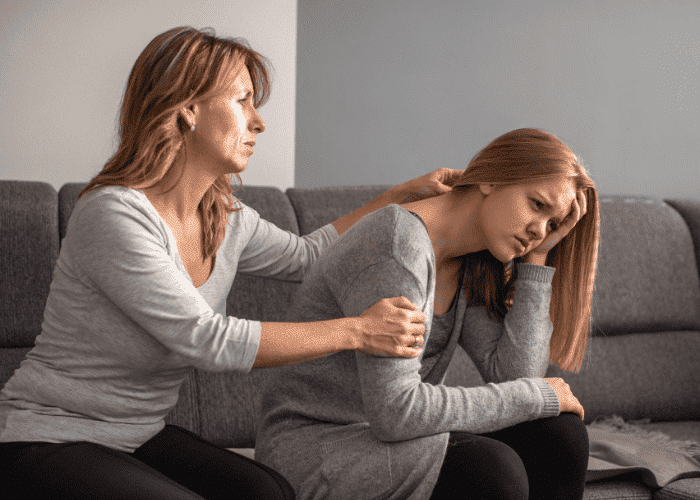
Teen dating violence affects millions of young people across the U.S.[1] But what does it actually look like?
Teen dating violence involves harmful behaviors used to gain power or control over a romantic partner. Many people think “violence” only refers to physical harm. However, dating violence can also include emotional, verbal, sexual, digital, or controlling behaviors, meaning it can happen both in person and online.[1]
Some examples of dating violence include the following behaviors:[1][2]
Knowing what relationship abuse looks like is one thing, but recognizing the more subtle signs of being in an unhealthy relationship is crucial for dating violence recovery for teens.
Every relationship has ups and downs, which can make unhealthy behavior difficult to spot at first. For instance, someone might act controlling while claiming they are just being “protective” or doing it because they “love you.” However, healthy relationships shouldn’t leave you feeling frightened, controlled, or emotionally drained.
The unfortunate reality is that dating violence is more common than most people realize. Studies show that many teens experience emotional abuse, harassment, stalking, or physical violence when dating.[3] This highlights why recognizing relationship red flags matters so much.
To help you tell whether you are in an unhealthy relationship, here are some of the key abusive teen relationship signs to watch out for (alongside the more obvious signs of abuse).[4]
You (or your teen) might:
If you can relate to any of those signs, you may be in an unhealthy relationship. If this is the case, it’s important to talk to someone you trust, whether this is a parent, teacher, or close friend. Dating violence recovery for teens is possible, and many teens move forward and find healthy relationships.
Still, it’s important to understand the effect that dating violence can have on a teen’s mental health.
Dating violence can seriously affect a teen’s mental health. For instance, teens who have been in abusive romantic relationships are more likely to experience:[1][3][5][6]
Also, unhealthy relationships may affect school performance, friendships, and daily life.[5][6] Teens may become distracted at school, isolated from friends, or give up hobbies and activities as the relationship takes up more of their time, attention, and energy.
Plus, even after the relationship ends, hurtful comments and controlling behaviors can stay with teens emotionally.
Put simply, the effects of dating violence can continue long after the relationship ends, affecting mental health, friendships, school life, and trust in others.
So, how do you cope after leaving an abusive relationship?
Mission Prep is here to help you or your loved one take the next steps towards an improved mental well-being.

Leaving an unhealthy, violent, or abusive relationship often brings up a lot of mixed emotions. For instance, some teens might feel relieved, while others may feel confused, angry, or sad.
It’s also normal to sometimes miss your previous partner, because you loved them, even if the relationship ultimately caused you pain.
Dating violence recovery for teens can take time; healing doesn’t tend to happen overnight. There’s no perfect way to heal, and you aren’t doing anything wrong if recovery feels difficult at times.
The most important elements for recovery tend to involve:
Here are some practical suggestions for coping after abusive relationships end for teens:
If you’re constantly texting, checking their social media feeds, or re-reading old messages from your ex, it may feel harder to heal. Having space from reminders of them can help your mind and body begin to feel safer and calmer again.
Being in an abusive relationship may have made you feel lonely, especially if you drifted away from friends or hobbies during the relationship. Reconnecting with friends, hobbies, clubs, or your family can help rebuild your confidence and remind you that you still matter to others.
It may be useful to know that healing rarely follows a straight line, so some days may feel easier than others. While it might seem confusing, remember that all of your emotions are valid – there’s no right way to feel. Feelings are meant to be felt, and finding ways to express them can help you process and release them.
It may help to get things out of your head and onto paper. Next time you feel overwhelmed by your emotions, you might try writing about how you feel, expressing yourself through painting, or creating a music playlist. Creative outlets can help release emotions instead of keeping them bottled up inside.
It’s important to look after your body as well as your mind while you recover. You could do this by prioritizing sleep, meals, drinking water, and incorporating movement into your days. Starting small routines like these can help create stability during stressful times.
Trauma recovery after abuse in teens isn’t just about leaving the violent relationship. It’s also about rebuilding trust in yourself and understanding what respect, healthy boundaries, and relationship safety for teens feels like.
Still, there may be times when self-help strategies aren’t enough, and you might want some extra support to help you move forward. This is when professional support enters the conversation.
Dating violence can be traumatic, and some teens may need professional support to help them heal. This is why teen breakup trauma recovery often involves talking to a mental health professional, such as a counselor or therapist.
A therapist can help teens safely process what happened and slowly rebuild confidence and trust in themselves.
Through teen relationship trauma support, therapists help teens process difficult emotions, manage stress, and learn healthy coping skills. Therapy sessions may include:
Also, support groups can be valuable for helping teens feel less alone. By connecting them with peers who have experienced similar situations to them, teens may feel truly seen, heard, and understood.
Healing from teen dating violence is possible. Remember that asking for help is a sign of courage and shows you are ready to give yourself the care and support that you deserve.
There is no commitment required. Just an honest, confidential conversation about the support your family needs. Let’s take the first step together.
"*" indicates required fields
Leaving an abusive relationship can bring up a mix of feelings, and it might be difficult to know how to start rebuilding your life. But recovery is possible with the right support. This is where we can help.
At Mission Prep Teen Treatment, we support adolescents experiencing mental health challenges, including trauma, anxiety, and depression. Our team works with teens to create personalized treatment plans that support their emotional recovery, confidence, and mental health.
Through evidence-based therapy and coping skills, teens can build healthier boundaries and relationships moving forward.
We know how difficult it can be to reach out for help when you’ve gone through relationship violence. All communication with our compassionate team is confidential.
Contact us online or call us at 866-901-4047 to begin living the life you deserve.
Are You Covered for Mental Health Treatment?
We’re in-network with many providers. Call us at 866-901-4047 to verify your benefits and find out how much your plan will cover









Find out if Mission Prep is right for you by reaching out to us and speaking with one of our admissions representatives.