Self-Harm Risks in LGBTQ+ Teens

Self-harm in LGBTQ teens is sadly much more common than many parents realize. LGBTQ+ adolescents face rejection, discrimination, isolation, and mental health issues that can put massive pressure on a still-developing mind. 

For some, cutting behavior in teenagers and other forms of self-injury develop as a way to cope with pain that feels too enormous to carry on their own. 

This article will explore the risks for self-harm in LGBTQ+ teenagers, including: 

  • Why LGBTQ+ teens engage in self-harm
  • The warning signs of self-harm behaviors in teens
  • The link between depression and self-harm for queer teens
  • How to help an LGBTQ+ teen who is self-harming
  • Mental health treatment options
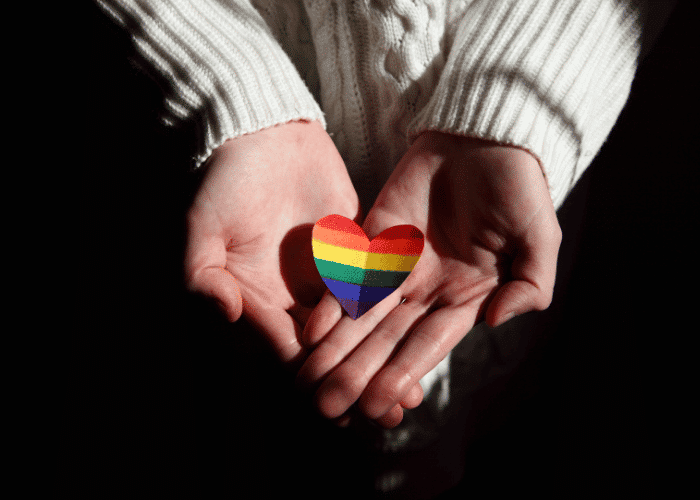
Teen hands holding a rainbow paper heart needing support with self-harm risks in LGBTQ+ teens

What Causes LGBTQ+ Teenagers to Engage in Self-Harm?

Emotional pain and self-injury research for youth indicates that LGBTQ+ teens often self-harm because they’re carrying a level of psychological and emotional pressure that can be difficult to navigate. They also often feel isolated and apart from their peers and loved ones.[1]

Stigma, bullying, and family rejection can create the type of chronic stress that a developing brain can struggle to manage and regulate. The physical pain may momentarily disrupt feelings of emotional detachment and numbness. As such, self-injury can sometimes come about because it feels like a natural release valve for a teen who feels ashamed or confused about who they are. 

LGBTQ+ teens self-harming can commonly arise based on some core experiences in their lives: 

  • Minority stressors: The cumulative toll of making their way through a world that doesn’t always affirm their personhood and identity can quickly wear on a young person’s mental health over time.[2] 
  • Family rejection and discord: Teenagers who face rejection at home are much more likely to engage in self-harm behaviors than those who come from accepting families.[3]
  • Internalized shame: Taking in negative messages constantly about one’s identity can cause shame, which can furthermore be turned inward and lead to self-injury.
  • Social isolation: Feeling like you don’t belong, especially during sensitive adolescent years, can increase teen self injury among LGBTQ+ youth. 
  • Lacking access to affirming people and spaces: Without safe outlets to process and work through their identity, a teen may struggle to express and process their emotional pain in healthy ways. 


The Warning Signs of Self-Harm in Teens

Being aware of the early warning signs for self-harm in your teenager can make a huge difference. Not only may this allow you to support your teen sooner, but it can also help them develop healthier coping strategies. The challenge, of course, is that many teens who engage in self-harm also go to great lengths to hide it, so knowing what to be on the lookout for matters. 

Unexplained Injuries

Cuts, burns, or bruises that don’t have a clear explanation (especially on the arms, thighs, or stomach) can be one of the most direct signs of self-harm practices. Your child might try to brush these off as the result of an accident, but make sure to trust your instincts if something feels off to you. 

Changes in Clothing or Appearance

Suddenly wearing long sleeves or pants in warm summer weather are both common ways teens try to hide self-harm marks and evidence. This alone likely isn’t enough to be definitive, but it’s worth paying attention to if it’s combined with other changes in behaviour and mood.

Emotional Withdrawal

A teenager pulling away from family, friends, and things they once loved could also be a sign that they’re struggling to name or get to grips with difficult experiences. Isolation in this case can be both a risk factor and a potential warning sign. 

Keeping Sharp Objects Close By

Finding razors, scissors, or other sharp objects hidden in your child’s room or backpack can indicate cutting behavior in teenagers, especially if they don’t appear to be serving any other practical use. 

Mood Swings and Emotional Struggles

Intense emotional reactions, suddenly having a short fuse, or being calm out of nowhere after a period of stress can all be potential signs of using self-harm as a coping mechanism. 

It’s important to note that this symptom may not indicate self-injury in isolation. However, when combined with others, it can help to paint a holistic picture of your teen’s wellbeing.  

Saying They Feel Hopeless

If your child starts talking about feeling worthless, trapped, hopeless, or like a burden to everyone, this requires immediate action. These statements can signal depression or suicidal ideation – all of which are treatable and deserving of support. 

If your teen is showing signs of suicidal thoughts or tendencies, contact us or reach out to a teen mental health hotline such as the 988 Suicide & Crisis Lifeline.


The Link Between Depression and Self-Harm

Teen depression treatment research for LGBTQ+ teenagers has shown that depression and self-harm can often be linked, feeding one another and hampering your child’s ability to cope.[4] As a result, self-harm sometimes begins to feel like one of the only things that can bring them relief. 

LGBTQ+ teens experience depression at a much higher rate than their peers, facing chronic exposure to rejection, harassment, and being exhausted from hiding who they are, all paving the way for depressive symptoms to take hold.

[5] 

For queer teens especially, depression can often go unrecognized, as it doesn’t always look like sadness. It can show up as irritability, a decline in their academic performance, or appear ‘normal’ but disengaged, like they’re going through the motions of daily life without any true engagement. 

When depression and teen self-injury overlap, the risks escalate quickly. A teenager who feels emotionally numb and ashamed of who they are faces a heavy burden, so getting the right support in place is critical for the healing process. 

How to Help an LGBTQ+ Teen Who is Self-Harming

Finding out your child is engaging in self-harming behaviors is terrifying. The automatic impulse to react with alarm or demand answers is natural and normal. However, it’s important to recognize that these situations are best dealt with when we take a break and approach self-injury with caution and love. 

If you’re unsure how to handle the situation, here’s a step-by-step guide:

1. Don’t Panic

Your teen needs to know they won’t lose you or your support over this. A calm and open response – even when you’re scared inside – will let them know it’s safe to keep talking with you. Reactions that come off in anger or shock can be a big sign to your child that they should keep things to themselves in the future. 

2. Listen More Than You Talk

If you’re feeling lost as to how to help an LGBTQ+ teen self-harming, ask them open-ended questions and be curious about their experiences that drive it. Do your best to sit with what they share with you, without trying to automatically fix it all. For a child who already feels like a burden to people, feeling truly heard can be a powerful experience. 

3. Affirm Their Identity

The research is sparkling clear: LGBTQ+ teens with affirming parents have much better mental health outcomes than those who don’t. Telling your teenager, clearly and repeatedly, that you love and accept who they are is both kind and protective of their health. 

4. Remove any Dangerous Objects

Reduce access to sharp objects or anything your child might be using to self-harm, quietly and without confrontation. This isn’t a form of punishment, after all – it’s merely a practical step that buys more time and space for conversation and healing. 

5. Don’t Try to Handle This Alone

Self-harm is a sign that your child needs more support than any parent should be expected to give on their own. Affirming help for self-harming teens can be transformative, and the sooner professional support enters the picture, the better. 

Mission Prep specializes in mental health treatment for teens and provides a genuine, affirming place where LGBTQ+ teens feel safe enough to do the work of healing. Reaching out for help is the most important step you and your loved ones can take. 

Mental Health Treatment Options for LGBTQ+ Teens Who Self-Harm

Therapy for self-harming teenagers always works best when the young person feels safe enough to be honest about their experiences. That’s why finding a provider with genuine experience supporting LGBTQ+ youth is so important. 

Several therapy approaches have strong clinical support for helping LGBTQ+ and questioning teens deal with self-harm, depression, and other critical mental health issues: 

Cognitive-Behavioral Therapy (CBT)

CBT helps teens identify the thought patterns that underscore self-harm and build new, healthier responses to dealing with stress. A skilled therapist can work with your child to interrupt these cycles before they start escalating. 

Dialectical Behavioral Therapy (DBT)

DBT was originally developed for people experiencing intense emotional pain, making it well-suited for teenagers experiencing mental health symptoms and self-harming behaviors. It teaches them practical, everyday skills for tolerating distress, regulating their emotions, and staying present during difficult moments. 

Somatic Therapy

For teenagers who carry pain in their bodies (which is common for those who engage in self-harm), somatic approaches help them reconnect with physical sensations in a safe and grounded way. It treats the entire body as a critical part of the healing process. 

Family Therapy

Family participation can improve treatment outcomes, and attending sessions to explore family dynamics and acceptance can be genuinely healing for everyone who participates. 

Residential Treatment

When a teen’s self-harm is escalating or severe, a more intensive level of care might become necessary. Affirming help for self-harming teens in a residential, inpatient setting provides support in a place that’s uniquely designed for adolescent mental health. 

Two teen girls with Pride flag around shoulders after support with self-harm risks in LGBTQ+ teens

Support for Self Harm in LGBTQ Teens at Mission Prep

At Mission Prep, our care spans residential programs, outpatient-based care, and intensive outpatient options. Our approach is shaped by and grounded in holistic, evidence-based therapies, and is delivered by clinicians who take support seriously. 

Our team works hard to make sure everyone feels seen from day one, and that includes LGBTQ+ teens managing self-injury. 

Contact us today to support your family’s wellbeing. 

Frequently Asked Questions About Self-Harm Risks in LGBTQ+ Teens

Is Self-Harm More Common For LGBTQ+ Teens?

Yes, research shows that self-harm for LGBTQ+ teens occurs at much higher rates than it does for their heterosexual, cisgendered peers. Experiences with rejection, bullying, family conflicts, and the chronic stress of navigating school and the outside world can all contribute. 

Emotional pain and self-injury for youth research makes it clear that these factors, not their sexual orientation or gender identity, drive the elevated risks. 

What Should I Do if My Teen Tells Me They’re Harming Themselves?

Do your best to stay calm and stay present. Your child took a big step in telling you, so try to listen without judgement and resist any urges to take over. Tell them you love them and that you’re going to get through this together. 

As soon as you can, connect with a professional with experience with teen mental health and self-harm. Early intervention goes a long way to making a huge difference. 

How Can I Find Affirming Mental Health Support?

Look for providers that name LGBTQ+ youth in their specialties as a core part of how they work. Mission Prep’s team works with teens experiencing a wide range of mental health challenges, including self-harm, always taking the young person’s full identity into account.