Bullying, Discrimination & School Safety for LGBTQ+ Teens

School is supposed to be a place where your teenager can focus on learning and friendships. It should also be a place for figuring out who they are and who they want to be in the world. 

But for far too many LGBTQ+ teens, it can be something else entirely. A place where they’re constantly aware of potential dangers and dread classes because of who’s in them. 

Nearly 60% of LGBTQ+ students report feeling unsafe at school because of their sexual orientation, and more than a third because of their gender identity.[1] Bullying affects LGBTQ+ mental health in several ways, including the potential for depression, anxiety, being absent from school, and even self-harm and suicidal ideation. 

This article will help you learn about the importance of feeling safe at school for LGBTQ+ youth, including: 

  • The impact of discrimination against LGBTQ+ students
  • The mental health impact of being bullied
  • School safety issues
  • How to best support bullied LGBTQ+ teens
  • Therapy options for more support
Teen boy standing outside needing support with school safety for LGBTQ+ teens

The Impact of Discrimination Against LGBTQ+ Students

Discrimination in schools can occur in ways both big and small. For example, a teacher ignoring the use of a slur in the classroom, or a policy that forces a transgender student to use the wrong bathroom. Discrimination against LGBTQ students usually operates on a spectrum, and even its quieter forms can add up to something that damages a young person’s mental health. 

Teens can’t easily escape discrimination at school, since they are mandated to be there. Unfortunately, this can take a toll on various aspects of their lives:

Academic Impact

When a teenager spends their school day trying to manage fear and hypervigilance, there isn’t a lot of brainpower left over for learning. School anxiety in LGBTQ+ youth can sometimes manifest as: 

  • Declining grades and test scores,
  • Having trouble concentrating, and 
  • Chronically being absent

This all often arises because survival is taking up most of their available energy.[2]

Research has linked anti-LGBTQ+ discrimination directly to lower GPA, higher dropout rates, and a reduced likelihood of going to college and pursuing higher education.[3]

Mental Health Consequences

Teen depression from bullying and discriminatory experiences can build up over time, with each incident adding to a load that your child’s nervous system eventually struggles to carry. 

LGBTQ+ students who experience frequent and ongoing discrimination at school report much higher rates of depression, anxiety, and post-traumatic stress disorder (PTSD). These rates are significantly higher than among students who attend more affirming school environments.[4]

For transgender students in particular, being misgendered or deadnamed repeatedly by staff or their peers tells them, again and again, that who they are is not acceptable. This repeated experience can lead to severe mental health impacts in the short and long-term. 

Physical Health Effects

Chronic stress from peer harassment also shows up physically, with the potential to disrupt your child’s sleeping patterns, weakening their immune function, causing headaches and gastrointestinal problems.[5] Teenagers who dread having to go to school often develop physical symptoms that can negatively impact their health. This is true even when the adults around them dismiss it as avoidance behaviors. 

What Bullying Does to a Teen’s Mind and Health

Some people have a tendency to treat bullying as a normal part of growing up. But bullying can have an outsized impact on a young person’s well-being. And for LGBTQ+ teens who are already dealing with minority stress and a host of other challenges, bullying can quickly send a young person into a genuine crisis. 

The mental health impact of bullying teens has been well-researched, drawing a clear link between sustained harassment from their peers and serious psychological harm: 

Depression and Withdrawal

Teen depression from bullying often develops gradually, which can also make it easy to miss for a long time. A teenager who was once engaged and social might start pulling away from others, losing interest in their hobbies and pursuits. This can sometimes be confused with the moodiness and laziness common to the teenage years, but paying close attention can help you spot something more going on. 

For LGBTQ+ teens, depression from bullying can also be compounded by shame. Bullying can seem to confirm the worst messages they’ve already been internalizing – that they’re different and somehow deserving of being treated so poorly. 

Anxiety and Hypervigilance

A teen who has been repeatedly targeted by others soon learns to look for danger around every corner. School anxiety in LGBTQ+ youth can become so severe that attending school itself becomes a trigger and sends their nervous system into an automatic fear response. 

Having this kind of chronic hypervigilance is exhausting, mentally and physically – it doesn’t just switch off when they leave the building. Many bullied teens bring that heightened state of awareness home with them, affecting their ability to sleep, eat, and feel safe just about everywhere. 

Increased Risks of Self-Harm and Suicidal Ideation

LGBTQ+ teens who experience bullying are also much more likely to engage in self-harm and report having suicidal thoughts than those who don’t.[6] Bullying doesn’t necessarily cause these outcomes in everyone. There can be many reasons they happen, but it does remove the protective buffers that might otherwise keep a vulnerable teenager safe. 

A young person in that much pain needs coordinated, affirming mental health care to help them feel supported. This care should help them attend to their feelings and experiences in a way that upholds who they are as a person of inherent worth. 

Common School Safety Issues for LGBTQ+ Teens

School safety for LGBTQ teens is about whether they can move through their day without being degraded, dismissed, targeted, or erased. For many, the answer is no – and the problems can come from multiple directions all at the same time. 

Verbal Harassment and Name-Calling

One of the most common forms of LGBTQ bullying in schools (and also one of the most frequently dismissed by adults), verbal harassment can quickly create a hostile academic environment. 

Hearing slurs, mocking comments about sexuality or gender expression, and name-calling all do damage. If staff don’t intervene consistently, it also sends a powerful message that this treatment is acceptable and encouraged. 

Physical Harassment and Assault

School safety for transgender students and other LGBTQ+ teens demands that adults take their physical safety seriously. LGBTQ+ students report higher rates of physical harassment than their peers, making several spaces throughout the school feel dangerous and unsafe to be in.[7]

Being Ostracised

Being deliberately excluded from social groups and ignored by classmates can be a form of victimization. This is especially significant because the brain processes the experience of social rejection through the same pathways as it does physical pain.[8]

Unsupportive Staff

Affirming school support for LGBTQ+ students depends heavily on the adults in the building. So, when teachers ignore harassment or encourage it (directly or indirectly), they are also actively contributing to a hostile environment. 

Discriminatory Policies

Safe schools for transgender students and others within the LGBTQ+ community can feel out of reach in many areas. This is often due to policies that restrict bathroom access, prohibit chosen names on school records, or ban GSAs from operating on campus. 

Ways to Support a Bullied LGBTQ+ Teen

Support for bullied LGBTQ teens demands that the adults in their lives take what’s happening, being reported, or being noticed seriously, even if the school isn’t. 

LGBTQ+ teens who report experiences of bullying are sometimes met with skepticism or minimization. A teen who feels heard and believed is far more likely to keep talking, and keeping communication open is an extremely productive thing to do. 

Try to document everything, keeping a record of any incidents. Having this will matter if things escalate to talking to school administrators or district leadership. Try to work with the school, asking specifically what their anti-bullying policy covers and how it applies to your child’s situation. 

When it comes to the home environment, do your best to make it as welcoming and restorative as you can. Coping with discrimination as an LGBTQ+ teen is exhausting, and teens need somewhere they can decompress without having to perform. Affirm their identity often, letting them set the pace of difficult conversations. 

If your child is showing signs of a mental health issue, therapy for bullied adolescents can give them a structured and safe place to process what they’ve been going through. It allows them to do so without adding to the burdens they’re having to bring home. 

Therapy Options for Bullied LGBTQ+ Teens

Therapy definitely works best when the clinician understands the world your child is living in. A therapist who treats bullying as the only potential issue, without accounting for the identity-based dimensions of what they’re experiencing, could miss a major part of the overall picture. 

For teenagers whose mental health has been impacted but are still functioning well overall, outpatient therapy can help them process the trauma of feeling targeted. It can also help rebuild their sense of self-worth and develop new tools for coping with discrimination as an LGBTQ+ teen.

If their symptoms are feeling more disruptive – such as persistent depression, ongoing anxiety, refusing to go to school, or practicing self-harming behaviors – an intensive outpatient program can help. It offers more robust support without requiring them to leave home at night. Sessions are more frequent, and teens can benefit from the group component, developing new skills for coping with discrimination as an LGBTQ+ teen at school. 

Residential treatment can provide around-the-clock care in a safe environment if your child is in crisis or experiencing severe symptoms. It removes them from the setting that causes harm and gives them the space and stability to focus on themselves. 

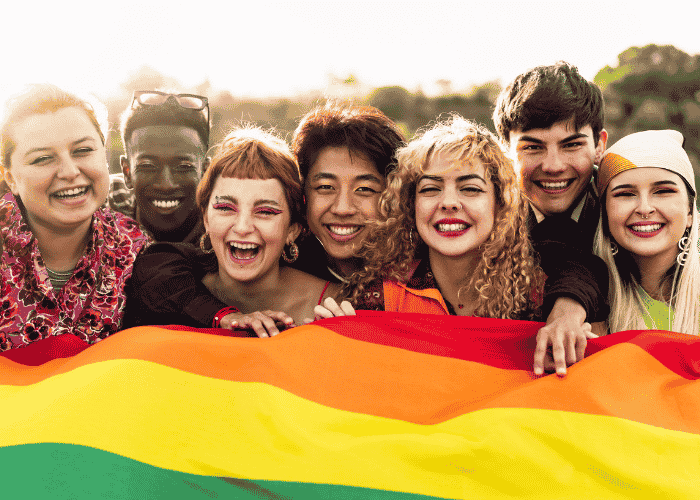
Teens holding Pride flag smiling after support with school safety for LGBTQ+ teens

Treatment for LGBTQ+ Teens at Mission Prep

At Mission Prep, we offer an array of mental health treatment programs, including residential and outpatient options. Our care is built on the foundation of holistic, evidence-based treatment to help your child overcome the impacts of bullying, discrimination, and other school-related stressors. 

Contact us today to talk about how we can help things get back on the right track. 

Frequently Asked Questions About Bullying, Discrimination & School Safety for LGBTQ+ Teens

What Should I Do if the School Isn’t Taking Bullying Seriously?

Put everything in writing and make a record of when you reach out to them. If the administration isn’t responsive, escalate things to the district level. 

Organizations such as GLSEN can offer legal guidance and advocacy resources for those navigating discrimination in the school environment. 

Can Bullying Cause Long-Term Issues?

It can, especially when it goes unchecked for a lengthy period of time. Mental health disorders that develop during adolescence can last into adulthood without the proper support and treatment. Early intervention can make a huge difference for long-term outcomes. 

How Do I Talk to My Child Without Making Things Worse?

Try to follow their lead, asking open questions and resisting the urge to problem-solve right away. Avoid responses that minimize their experiences, even unintentionally. Support for bullied LGBTQ+ teens at home starts with having a parent or caregiver who can manage their own discomfort with what their teen is sharing without rushing past it.