Key Takeaways
- Emotional dysregulation is a core feature of ADHD, making anger and intense emotional reactions common experiences for teens, not signs of bad behavior or defiance.
- The ADHD brain struggles with the executive functions that regulate emotions, leading to low frustration tolerance, quickness to anger, and difficulty calming down once upset.
- Common triggers for anger in teens with ADHD include feeling misunderstood, academic pressure, sensory overload, unexpected changes, and criticism.
- Evidence-based therapies like Cognitive Behavioral Therapy (CBT) and Dialectical Behavior Therapy (DBT) help teens develop emotional regulation skills and healthier ways to express intense feelings.
- Mission Prep Healthcare offers comprehensive treatment for teens with ADHD and emotional dysregulation, combining evidence-based therapies with family involvement for lasting results.
Understanding the ADHD-Anger Connection in Teens
If you’re parenting a teenager with ADHD, you’ve likely witnessed emotional outbursts that seem to come out of nowhere. A minor frustration becomes a full-blown meltdown. A simple “no” triggers an explosive reaction.
These experiences are exhausting and confusing for everyone involved, but they’re also incredibly common among teens with ADHD.
While anger and irritability aren’t part of the official diagnostic criteria for ADHD, they’re fundamental to the lived experience of many adolescents with the condition. Emotional dysregulation, difficulty managing emotions in adaptive ways, affects the vast majority of people with ADHD.
This means teens with ADHD don’t just struggle with attention and impulsivity. They also experience emotions more intensely, react more quickly, and have a harder time returning to baseline after becoming upset.
Understanding that your teen’s anger is connected to how their brain processes emotions, not a character flaw or intentional defiance, is the first step toward helping them develop healthier coping strategies.
Why Teens with ADHD Struggle with Emotional Regulation
The teenage years are emotionally turbulent for everyone. Adolescents are navigating identity development, social pressures, academic demands, and hormonal changes, all while the brain regions responsible for impulse control are still maturing.
For teens with ADHD, these challenges are amplified significantly.
ADHD is fundamentally a disorder of self-regulation. The same executive function deficits that make it hard to focus on homework or remember assignments also make it challenging to manage strong feelings.
When the brain’s emotional control center senses real or imagined danger, it triggers a fight-or-flight response. Within seconds, the thinking brain goes temporarily offline, and emotions take over.
Teens with ADHD often describe this flood of emotion as feeling like a tidal wave they can’t escape. They’re not choosing to overreact; their brains are wired to respond with greater intensity and less built-in braking power than their neurotypical peers.
Low frustration tolerance, impatience, and quickness to anger are hallmark features of how ADHD affects emotional processing in adolescents.
How ADHD-Related Anger Shows Up in Teenagers
ADHD-related anger can manifest in several ways. Recognizing these patterns helps parents distinguish between typical teen moodiness and something that may need additional support.
Explosive Outbursts
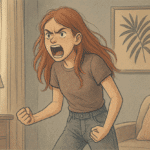
These are intense reactions that seem grossly out of proportion to the trigger. A teen might scream, slam doors, throw things, or say hurtful words over something as minor as being asked to pause a video game.
Chronic Irritability
Some teens with ADHD seem to walk around with a low-grade hum of annoyance. They snap at family members, become easily agitated, and struggle to enjoy activities they once loved.
Difficulty Calming Down
Once triggered, teens with ADHD often can’t simply “get over it.” They may stay angry long after the situation has passed, unable to move on.
Rapid Mood Shifts
A teen might go from laughing to raging to crying within a short span, leaving parents bewildered by the emotional whiplash.
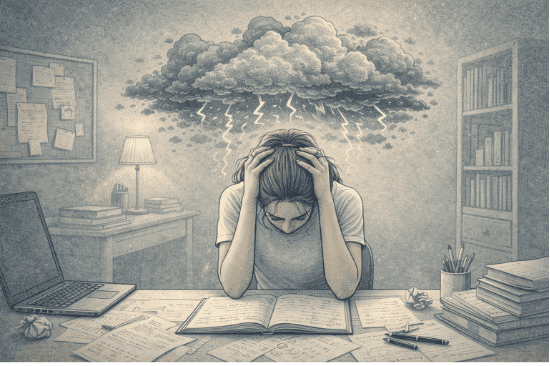
Recognizing the patterns of ADHD-related anger helps parents respond with understanding rather than frustration, creating space for more effective support.
ADHD Anger vs. Other Conditions
It’s essential to understand how ADHD-related anger differs from other conditions that also involve irritability and outbursts.
Mood Disorders
With depression, teens typically experience a persistent low mood most of the time. ADHD-related emotional dysregulation usually appears in reaction to specific triggers and then subsides. Teens with ADHD generally return to their usual mood between episodes.
Oppositional Defiant Disorder (ODD)
ODD frequently co-occurs with ADHD and involves angry, defiant behavior directed at authority figures. While there’s overlap, ODD includes vindictiveness and deliberate attempts to annoy others, which aren’t core features of ADHD alone.
Typical Teen Behavior
All teenagers experience moodiness and occasional outbursts. However, when anger is frequent, intense, and significantly impairing relationships, school, or daily functioning, it likely warrants professional evaluation.
Common Triggers for Anger in Teens with ADHD
Understanding what sets off your teen’s anger can help you anticipate and sometimes prevent explosive episodes. While triggers vary, several common themes emerge:
- Academic Pressure: Homework, tests, and organization demands can feel overwhelming for teens whose brains struggle with focus. Repeated experiences of falling short despite effort build frustration that eventually boils over.
- Feeling Misunderstood or Criticized: Teens with ADHD often experience heightened sensitivity to rejection. A comment that seems minor to you might feel like a devastating blow to them.
- Transitions and Unexpected Changes: Teens with ADHD struggle to shift from one activity to another. Being asked to stop something enjoyable or facing a sudden change in plans can spark intense resistance.
- Sensory Overload: Too much noise, crowded spaces, or environmental chaos can quickly overwhelm a teen with ADHD and lower their threshold for emotional reactions.
- Social Difficulties: Many teens with ADHD struggle with peer relationships. The resulting loneliness, rejection, or conflict can fuel anger and resentment.
The Impact of Untreated Anger on Teens with ADHD
When emotional dysregulation goes unaddressed, the consequences ripple through every area of a teen’s life.
Relationships Suffer
Family members walk on eggshells to avoid triggering outbursts. Friendships fray under the strain of unpredictable reactions. Teens may find themselves increasingly isolated.
Self-Esteem Takes a Hit
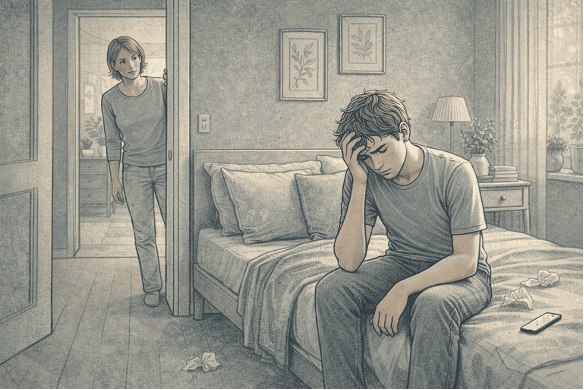
After an outburst, many teens feel deep shame and regret, even when they couldn’t control it in the moment. This cycle of losing control and feeling terrible afterward erodes self-worth.
Academic Performance Declines
Beyond ADHD’s direct effects on attention, the emotional fallout of angry episodes at school, conflicts with teachers, and disciplinary consequences takes a toll.
Mental Health Risks Increase
Untreated emotional dysregulation raises vulnerability to depression, anxiety, and other complications over time.
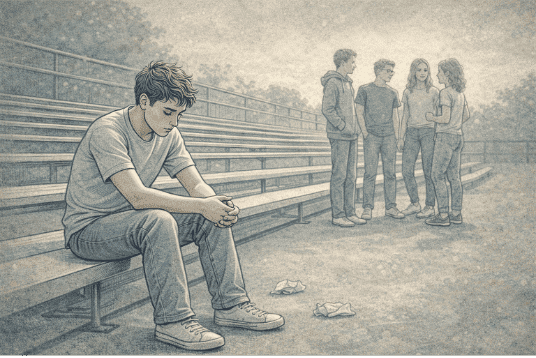
Addressing ADHD-related anger early helps protect teens from the cascading effects on their relationships, self-image, and overall well-being.
Effective Therapeutic Approaches for ADHD & Anger
Several evidence-based therapies help teens with ADHD develop better emotional regulation skills.
Cognitive Behavioral Therapy (CBT)
CBT helps teens identify the thought patterns and situations that trigger their anger. By learning to recognize distorted thinking, like assuming the worst or taking things personally, teens can interrupt the cycle before emotions escalate. CBT also teaches practical coping strategies and problem-solving skills.
Dialectical Behavior Therapy (DBT)
DBT is particularly well-suited for teens who struggle with intense emotions. It combines mindfulness (observing feelings without immediately reacting) with concrete skills for tolerating distress, regulating emotions, and communicating effectively.
The emphasis on accepting difficult emotions while working to change unhealthy behaviors resonates with many adolescents.
Parent Management Training
This approach equips parents with strategies to respond effectively to emotional dysregulation. Learning to avoid escalating conflicts, reinforce positive behaviors, and maintain consistent boundaries can transform family dynamics.
Social Skills Training
This addresses the interpersonal difficulties that often accompany ADHD and contribute to frustration. Learning to read social cues, resolve conflicts, and communicate needs helps teens navigate relationships more successfully.
Mindfulness-Based Approaches
These teach present-moment awareness, helping teens notice rising anger before it takes over. Practices like deep breathing, body awareness, and grounding techniques give teens tools to calm themselves in the moment.
Family Therapy
This addresses how emotional dysregulation affects the entire family system, improving communication, reducing conflict, and helping everyone understand their role in supporting the teen’s progress.
How Parents Can Help at Home
While professional support is often essential, parents can make a significant difference in how their teen manages anger day to day.
Stay Calm During Outbursts
This is easier said than done, but your ability to regulate your own emotions models healthy coping for your teen. When you remain calm, you help their nervous system settle. Reacting with your own anger only escalates the situation.
Validate Feelings First
Before trying to solve the problem or correct behavior, acknowledge what your teen is experiencing. Saying something like, “I can see you’re really frustrated right now,” shows you understand, without condoning harmful behavior.
Create Structure & Predictability
Teens with ADHD do better with clear routines, consistent rules, and advance notice of changes. Establishing concrete expectations and boundaries actually helps them feel safer, even if they resist in the moment.
Identify Triggers Together
When things are calm, talk with your teen about what tends to set them off. Collaboratively developing strategies for high-risk situations gives them more control and shows you’re on their team.
Teach & Practice Coping Skills
Help your teen build a toolkit of strategies, whether that’s taking a walk, listening to music, doing breathing exercises, or punching a pillow. Practice these when emotions aren’t running high so they’re accessible during difficult moments.
Take Care of Yourself
Parenting a teen with emotional dysregulation is exhausting. Make sure you have your own support system, coping strategies, and time to recharge. You can’t pour from an empty cup.
Mission Prep’s Approach to Treating ADHD & Emotional Dysregulation in Teens

Group therapy spaces at Mission Prep give teens a supportive setting to practice emotional regulation skills alongside peers.
ADHD affects attention and also plays a role in how teens process and express emotions. Many adolescents struggle with frustration, irritability, and intense emotional reactions, which can make everyday situations feel harder to manage. Mission Prep Healthcare works with teens ages 12–17 to address these challenges in a way that feels supportive and practical.
Our programs use evidence-based therapies such as CBT and DBT, paired with treatment plans built around each teen’s specific needs. We focus on helping adolescents understand their emotional responses, practice skills for managing strong feelings, and feel more confident in handling stress as it arises.
Family involvement is a key part of progress. Through family therapy, parents gain a clearer understanding of their children’s emotional regulation difficulties, learn effective ways to respond during challenging moments, and begin to repair relationships that may have been strained over time.
Mission Prep offers residential, outpatient, and telehealth options to meet families where they are. Each setting is designed to feel safe and welcoming, giving teens the space to try new skills, learn from setbacks, and grow at their own pace.
Frequently Asked Questions (FAQs)
Is anger a symptom of ADHD, or is something else going on?
While anger isn’t in the official ADHD diagnostic criteria, emotional dysregulation is widespread among people with the condition. Difficulty managing intense emotions stems from the same executive function challenges that cause other ADHD symptoms. However, if anger is severe or accompanied by other concerning symptoms, a professional evaluation can help determine whether additional conditions may be contributing.
How can I tell the difference between ADHD-related anger and typical teenage moodiness?
All teenagers experience mood swings and occasional outbursts. ADHD-related anger tends to be more intense, more frequent, and more difficult for the teen to control or recover from. If anger is significantly impairing your teen’s relationships, school performance, or daily functioning, it’s worth seeking professional guidance.
Will my teen grow out of these anger issues?
Some teens see improvement as their brains mature, but many continue to struggle with emotional regulation into adulthood without appropriate support. Early intervention with evidence-based therapies helps teens develop skills that serve them throughout their lives.
Does Mission Prep Healthcare treat teens who have both ADHD and anger issues?
Yes, Mission Prep Healthcare specializes in treating adolescents with ADHD and co-occurring challenges, including emotional dysregulation and anger. Our comprehensive approach addresses these interconnected difficulties through individualized, evidence-based treatment designed specifically for teens.