
Key Takeaways
- Anger in teenage boys is usually a surface symptom of anxiety, depression, unresolved trauma, or a narrow vocabulary for softer feelings like shame, fear, or grief.
- Yelling back, shifting consequences, or pushing face-to-face talks during a blowup almost always makes the pattern worse, even when parents are doing their honest best.
- The reliable fix pairs calm, consistent parenting at home with teen-specific clinical care, and Mission Prep builds both sides into one adolescent-only treatment plan for boys aged 12 to 17.
- Most families see meaningful change within 8 to 12 weeks when evidence-based therapy is paired with weekly family sessions that teach the whole household the same regulation skills.
- Mission Prep treats only adolescents and uses CBT, DBT, EMDR, and TMS across residential, outpatient, and virtual programs in California, Minnesota, and Virginia, with academic support built in so a boy never has to choose between recovery and school.
Helping Your Son Get a Handle on His Anger
The most effective way to help a teenage boy with anger issues is to combine calm, consistent parenting at home with clinical therapy that treats what sits underneath the outbursts. At home that means staying regulated yourself, holding clear limits, protecting sleep and physical activity, and creating low-pressure moments for him to talk. On the clinical side, therapies like CBT, DBT, EMDR, and for some boys TMS address the anxiety, depression, or trauma that usually drives the anger in the first place.
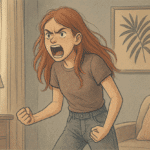
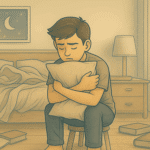
Adolescent anger is one of the most misread mental health signals in the home, in part because boys often default to anger when they lack words for softer feelings. This guide walks through the at-home strategies that actually move the needle, the proven treatment options for teenage anger, and how family-centered care helps the gains hold up long after sessions end.
What Are the Best At-Home Strategies for a Teen Boy’s Anger?
1. Stay Regulated Yourself First
Your son borrows your calm. Yelling back, lecturing during a blow-up, or matching his intensity teaches him that anger is how adults handle conflict. Step away if you need to, take slow breaths, and return only once you can speak in a steady voice.
Set a household rule that important conversations happen after everyone has cooled down. Wait until you are both regulated, then talk through what happened and what each of you can do differently next time. This single change often reduces conflict frequency at home faster than any other parenting shift.

2. Set Clear, Consistent Limits
Boys need predictable rules and consequences they understand in advance. Vague threats and shifting expectations fuel resentment and more anger. Spell out which behaviors are off limits, such as name-calling, hitting, or breaking property, and apply the same consequence every single time.
Pair those limits with a clear path back to trust. Short repair conversations and small acts of accountability work better than long groundings that breed more resentment. Consistency matters more than severity, so a small consequence applied every time beats a harsh one applied only sometimes.
3. Build in Physical Outlets and Sleep
Movement helps a stressed teen’s body release stored tension. Running, lifting, martial arts, basketball, or long walks all lower the volume of anger he carries into conversations. Daily activity also improves sleep quality, which compounds the benefit.
Sleep itself matters as much as exercise. A tired teenage brain has far less capacity to regulate strong feelings. Cut back on late-night screen use and protect a steady bedtime. Small adjustments here often soften the edges of his mood within a couple of weeks.
4. Open Lines of Communication
Most teen boys do not respond well to direct, face-to-face emotional conversations. Try talking while driving, walking the dog, shooting hoops, or playing a game together. Side-by-side communication feels far less confrontational and lets him think before answering.
Ask open questions and listen more than you speak. Reflecting back on what you heard, without fixing or judging, signals that his inner world is welcome at home. The more often these low-pressure conversations happen, the more he will share before pressure builds into a blowup.
5. Help Him Name What He Is Feeling
Many boys default to anger because they have a small vocabulary for tougher feelings like shame, fear, disappointment, or grief. Naming the feeling out loud reduces its grip. You can model this by describing your own emotions in everyday moments, even small ones.
Over time, your son learns that softer feelings are safe to express at home. The more words he has, the less often anger has to do all the emotional work for him.
Which Therapies Work Best for Teenage Anger Issues?

Cognitive Behavioral Therapy (CBT)
CBT helps a teen notice the thoughts that trigger his anger, check those thoughts for accuracy, and replace them with more balanced ones. He learns to spot early body signals of rising anger, like a clenched jaw or a racing heart, and to use practiced skills to pause before reacting.
CBT works well for teens whose anger is tied to anxiety, depression, or rigid thinking patterns. Sessions are usually structured and goal-focused, which fits how many teen boys prefer to work.
Dialectical Behavior Therapy (DBT)
DBT centers on four skill areas: emotion regulation, distress tolerance, mindfulness, and interpersonal effectiveness. It is especially helpful for teens with intense, fast moving emotions and impulsive reactions. Group skills sessions teach concrete techniques he can pull out during a heated moment.
Many adolescents respond well because the tools feel practical rather than abstract. DBT also provides parents with matching skills, so the household speaks the same regulatory language.
EMDR for Anger Rooted in Trauma
If your son experienced bullying, loss, abuse, witnessing violence, or another difficult event, his anger may be a protective response wired in by that experience. Eye Movement Desensitization and Reprocessing helps the brain process those memories so they lose their charge.
After EMDR, teens often report that the same triggers no longer hijack their reactions. The work is gentler than many parents expect, and most adolescents tolerate it well over a focused course of sessions.
TMS for Treatment-Resistant Symptoms
Transcranial Magnetic Stimulation is a non-invasive option for adolescents whose anger is driven by depression that has not improved with therapy alone. It uses gentle magnetic pulses to stimulate the brain regions involved in mood regulation.
TMS sessions are short, painless, and delivered in an outpatient setting. Many teens notice gradual mood lifts within a few weeks, which often reduces the anger that comes alongside untreated depression.
Family Therapy
Anger lives inside relationships, so treating only the teen rarely creates lasting change. Family therapy gives parents and siblings a shared emotional language, healthier boundaries, and clear repair tools after conflict.
Weekly sessions help the whole household practice what the teen is learning in individual care, so the gains hold up at home. Over time, parents often notice their own patterns shifting too, which deepens the progress for everyone.
The Calmer Path Forward for a Boy Whose Anger Has Taken Over
Helping a teenage boy with anger issues comes down to two pieces working in step: calm, consistent parenting at home and clinical care that treats what sits underneath the outbursts. Most boys do not need medication to recover; they need regulated adults, clear limits paired with real repair, and skill-based therapies like CBT, DBT, and EMDR practiced alongside a household that speaks the same emotional language.
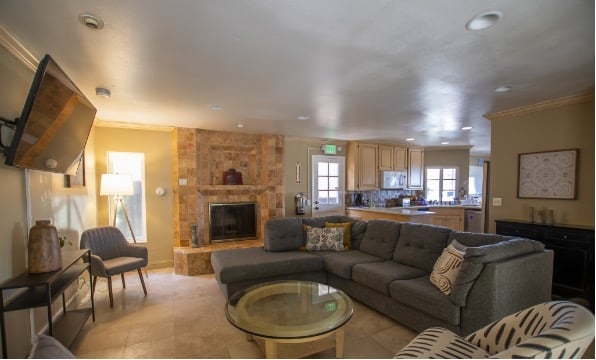
Mission Prep is built specifically for adolescents aged 12 to 17, so every part of care, from therapist training to the rhythm of the day, is shaped around how teen boys actually heal. Residential, outpatient, and virtual programs are available across California, Minnesota, and Virginia, each pairing evidence-based therapy with weekly family sessions, academic support, and small licensed group homes that feel closer to a home than a hospital.
Visit Mission Prep to start a teen-only treatment plan that pairs evidence-based therapy with family support.
Frequently Asked Questions (FAQs)
Is anger a normal part of being a teenage boy?
Some irritability and frustration are expected during adolescence because of brain development and hormonal changes. The concern arises when anger becomes frequent and intense, harms relationships, leads to property damage, or hints at deeper distress. At that point, professional support helps the entire family.
Can a teenage boy outgrow anger issues without treatment?
Some boys do calm down as their brains mature, but waiting carries real risk. Untreated anger often hardens into long-term patterns, damages relationships and academics, and worsens any underlying anxiety, depression, or trauma. Early treatment shortens the timeline and prevents harder problems from showing up later in life.
How long does therapy take to help with teenage anger?
Many families see meaningful change within eight to twelve weeks of consistent therapy, though the full timeline depends on what is driving the anger. Trauma-based anger usually takes longer than situational anger. Steady weekly sessions, paired with family practice at home, speed progress significantly more than therapy alone.
What if my son refuses to go to therapy?
Resistance is common among teen boys. A short consultation framed as information-gathering rather than a lifelong commitment often lowers his defenses. Family therapy can also begin without him and pull him in once he sees his parents changing, too. A skilled adolescent therapist knows how to build buy-in over time.
How does Mission Prep help a teenage boy with anger issues?
At Mission Prep, we work only with adolescents aged 12 to 17, so our therapy approach, group homes, and academic support are built for this age. Mission Prep uses CBT, DBT, EMDR, and TMS, plus weekly family therapy, across residential, outpatient, and virtual programs in California, Minnesota, and Virginia.