
Parasomnias in Teens: Symptoms, Causes, & Treatment for Sleepwalking & Talking in Sleep

Sleepwalking usually occurs early at night, so you might be in the process of getting ready for bed only to find your teen wandering about, seemingly asleep. Sleepwalking teens can catch parents off guard, and it’s natural to wonder what’s causing these episodes. Somnambulism such as this is often a sign of parasomnia – conditions that lead to strange behaviors while asleep.
While many parasomnias are harmless, multiple episodes may signal a deeper issue. They can also increase the risk of harm and lead to excessive daytime fatigue, affecting daily life. Understanding these sleep patterns is crucial for helping your teen rest better.
If frequent sleepwalking is a concern, a mental health professional can help you and your teen get to the root of the issue. This page can you better understand parasomnias in teens, as it explores:
- What parasomnias are
- Parasomnia symptoms youth experience
- Causes of parasomnia in teens
- Impact of sleep disturbances
- Sleep disorder treatment teens respond to
- Coping with unusual nighttime behaviors at home
- Professional support for overwhelmed teens
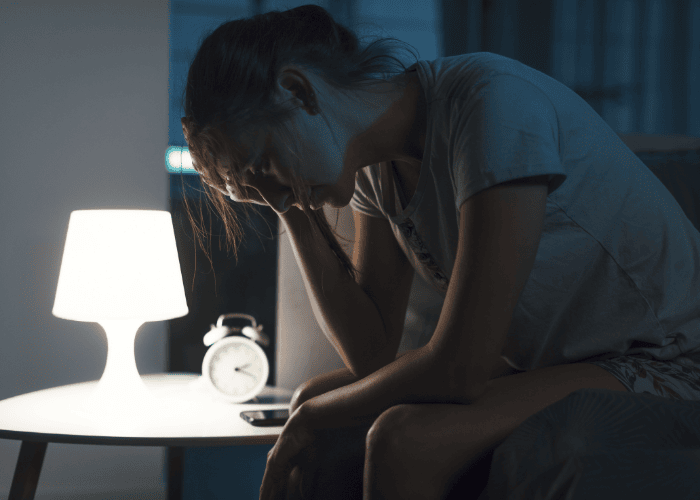
Understanding Parasomnia in Teens
How is it possible for a teenager to walk, talk, or even open doors while their brain is still asleep? These behaviors could be due to conditions called “parasomnias”.
Parasomnias are sleep disorders that cause abnormal behaviors either while asleep or during the moments between sleep and wakefulness.1 This means that, although parts of the brain may be deep asleep, another part may “wake up” just enough to take control of actions. That’s why parasomnias can feel so worrying: sleepwalking teens aren’t fully conscious, so they won’t remember anything about it in the morning, but you’ll have witnessed it.
Some of the most common abnormal sleep behaviors teens experience can look like:2
- Sleepwalking: Walking or wandering around while asleep
- Sleep talking: Talking, shouting, or mumbling in sleep
- Night terrors: Waking up in extreme fear with hardly any memory of a terrifying dream
- Confusion arousal: Waking up feeling confused and acting strangely
Remember that these are not deliberate actions or a sign of misbehavior. They happen because of a brain “glitch” during sleep and when waking up; they’re not something your teen can control.
Knowing the symptoms of parasomnia can help you determine a one-off event from a recurring pattern that could impact daytime tiredness, school work, relationships, and even their safety. So, what signs should you be looking for?
Recognizing the Symptoms of Parasomnias
Parasomnias can look very different from one teen to the next, which is why parents often feel confused. And, while each episode may vary, most neurological sleep symptoms youth experience will fall into a few typical patterns. These are made up of:3-6
- Sleepwalking: Sleepwalking teens get up from bed and walk around while still asleep. They may also run, talk, or shout while wandering. Usually, their eyes are open but may have a confused or empty look. What’s more, they often have no memory of their actions in the morning.
- Talking in sleep: Talking in sleep in adolescence can range from soft mumbling to full-blown sentences.
- Night terrors: Teens may sit up in bed shouting or screaming, and might kick or appear to be thrashing about. They could also appear scared, with their eyes wide open.
- Confusion arousals: Adolescents might wake up and act confused, like they don’t know where they are or what they are doing. They may also seem “foggy”, speak slowly, and give short responses to questions.
If any of these signs resonate with you, parasomnia might be behind them. Identifying these symptoms is essential for helping your teen to sleep better because, without the right support, these behaviors may become more frequent and intense.
But why do these sleep episodes happen in the first place? In the next section, we’ll explore the underlying causes of parasomnias in teens.
Causes of Parasomnias in Teens
If your teen has suddenly started wandering around during the night, it’s natural to wonder why. You may be comforted to learn that parasomnias are quite common in children and adolescents, and may be triggered by several factors, including genetics, psychology, lifestyle, and environment. Let’s take a closer look at each of these below.
Genetics
When considering the role genetics plays in nighttime behavior issues teens face, there are two components: genetic predisposition and teenage biology.
Genetic predisposition means there may be an element of having a condition “passed on” through the family line. For instance, 47% of children who sleepwalk have one parent who has sleepwalked before. This number rises to 61.5% for children with two sleepwalking parents.7
When it comes to biology and sleepwalking teens, the sleep-wake cycle often isn’t fully mature, as the brain is still developing. This means that adolescents may be more vulnerable to sleep-wake disturbances and parasomnia.8
Emotional Well-being
Stress, academic pressures, or emotional upheavals, such as during exam periods, can trigger nighttime disruptions. Anxiety and sleep disruptions in adolescents often go hand in hand, while the stress responses during sleep that teens experience can intensify parasomnia symptoms.8,9
Lifestyle and Environment
Teens need between eight to ten hours of sleep each night.9 Missing sleep, staying up late, or inconsistent bedtimes can all increase the risk of parasomnia episodes. Additionally, some medications can cause nighttime disturbances like sleepwalking or night terrors; therefore, checking medication information leaflets is worthwhile.9
Understanding what causes these sleep behaviors can be reassuring. Moreover, it’s important to realize the potential impact of these episodes on your teen’s daily life and emotional well-being. The following sections dive into the impact of parasomnias in adolescence.
Impact of Untreated Parasomnias
What happens when parasomnias are left untreated? They don’t just disrupt sleep; they can also cause problems in daily life. When up to 27% of children and teens experience unusual nighttime behaviors like sleepwalking, night terrors, and sleep talking, it’s important to consider the potential impact they could have.10 These are explored in more detail below.
- Emotional struggles: Teens may feel more irritable or emotionally sensitive due to fragmented sleep. They may also feel worried or embarrassed by what they have said or done during an episode. Further, research shows links between emotional problems and parasomnias, such as anxiety, depression, and obsessive-compulsive disorder.7,11
- Daytime functioning: Disrupted sleep can lead to daytime sleepiness, affecting a teen’s ability to stay alert and focused in class. If sleep is disturbed frequently, this could lead to a drop in academic performance.11,12
- Social stress: Teens may avoid sharing rooms with others or sleeping over at a friend’s house if they feel self-conscious about their nighttime activities. On top of that, many parents become extra-vigilant at nighttime, leading to stress or burnout from their own disrupted sleep.
- Safety concerns: There are real physical risks when it comes to parasomnias. For example, sleepwalking teens may accidentally injure themselves while they wander through the home by bumping into furniture or falling down stairs. They may even go outside, increasing the risk of harm.13 This is why sleep safety for teens is so important.
When you understand how parasomnias affect a teen’s overall well-being, you can feel more confident exploring the treatment options that can make a real difference.
Treatment Options for Parasomnias In Teens
When sleep disruptions begin to affect your teen’s mood, confidence, or safety, knowing where to turn can sometimes feel overwhelming. So, where do you start?
Professional Evaluation and Early Support
Often, the first step is to have an adolescent sleep evaluation. This assessment is typically carried out by a sleep specialist, mental health professional, or pediatrician. They’ll look at different aspects such as sleep habits, medical history, and any mental health signs at night teens may be exhibiting, like confusion, fear, or distress. An evaluation can also indicate whether more tests or a sleep clinic teenage help assessment is required.
Therapy
If stress, anxiety, or overwhelm contribute to sleep episodes, therapy can be a powerful treatment. To find support, many families begin by searching online for “teen therapy near me”. If you do this, keep in mind to look for a therapist who understands adolescent mental health as well as sleep problems.
Therapies that may be helpful for teens with sleep issues and emotional overwhelm include:
- Cognitive behavioral therapy (CBT): CBT can help people change unhelpful thoughts, beliefs, and behaviors. This may be particularly useful for teens struggling with anxiety before going to sleep or who have an underlying emotional concern contributing to sleep issues.
- CBT-I: The “I” in this form of CBT stands for “insomnia”. It is a type of therapy that focuses on creating healthy sleep routines and reducing nighttime disturbances.
Understanding the treatment options available can give you the knowledge and tools for supporting your teen in having more restful nights. But did you realize there are small, daily changes you and your teen can make to help manage parasomnias at home? Let’s explore these strategies next.
Coping With Parasomnias at Home
When parasomnia episodes are encroaching on your teen’s life, having some practical strategies to fall back on can make a big difference in how you cope. Here are a few suggestions for how parents and teens can work together to create calmer, safer nights.
What Parents Can Do
Creating a safe sleep environment can help reduce the risk of injury for sleepwalking teens. For instance, removing trip hazards or installing nightlights in hallways can make safe navigation easier during sleep episodes.
Also, helping your teen create a calming bedtime routine can help them relax before sleep. Consider incorporating dim lights, warm showers, or calming activities like reading or listening to soothing music into a calming bedtime routine. You could also reduce screen time before bed to increase a sense of peace.
Furthermore, if your child regularly has episodes of parasomnias, make a note of any patterns that occur. For instance, you may notice they sleepwalk or talk more after a stressful day or a late night. Making a note of these patterns can help identify triggers.
Finally, if your child is sleepwalking, gently guide them back to bed without waking them. If you wake them, they may become confused, angry, or scared, which could lead to them hurting themselves or someone else.
What Teens Can Do
If you find yourself feeling nervous before sleep, relaxation exercises like body scans or deep breathing may help you relax. Another option is to write down how you feel in a journal. Doing so can help you become more aware of things that trigger you and allow you to get intense thoughts or feelings out of your head before going to sleep.
Sticking to similar bedtimes and wake times can help your brain and body establish a good rhythm for sleep, reducing disturbances. Adopting a good all-round sleep routine can also be beneficial. For example, you could try reducing screen time, avoiding caffeine late in the day, and doing a relaxing activity before bed, such as reading.
Beyond these steps, if you feel embarrassed, confused, or exhausted after sleep, sharing how you feel with a trusted adult can help take the weight off your shoulders. You’re not expected to know the answers or manage this alone: it’s all a learning process.
Home routines can have a positive impact on sleep; however, if episodes are frequent or you feel concerned about them, it may be time to look for professional support.
Find Help for Better Sleep With Mission Prep
Parasomnias can be unsettling, but you don’t have to face them alone. Reaching out for professional help can make a real difference to your teen’s overall well-being.
At Mission Prep, we offer a variety of resources for parents, allowing them to support teens in improving their mental health, including any issues around sleep. For instance, you may find some of the following free resources helpful:
If you are concerned about your teen’s sleep or mental health, contact us today. We can offer guidance that brings clarity and calmer nights.
References
- American Psychological Association. (2023, November 15). Parasomnia. APA Dictionary of Psychology. https://dictionary.apa.org/parasomnia
- Wilbanks, J. (2021, December 3). Learn about Sleep Disorders – Sleep Education by AASM. American Academy of Sleep Medicine (AASM). https://sleepeducation.org/sleep-disorders/
- Robards, K. (2021, May 5). Sleep Talking – Sleep Education by AASM. Sleep Education. https://sleepeducation.org/sleep-disorders/sleep-talking/
- Robards, K. (2021, May 6). Sleep Terrors – Sleep Education by American Academy of Sleep Medicine. Sleep Education. https://sleepeducation.org/sleep-disorders/sleep-terrors/
- Robards, K. (2021, May 6). Sleepwalking – Sleep Education by American Academy of Sleep Medicine. Sleep Education. https://sleepeducation.org/sleep-disorders/sleepwalking/
- Wilbanks, J. (2021, May 6). Confusional Arousals – Sleep education by AASM. Sleep Education. https://sleepeducation.org/sleep-disorders/confusional-arousals/
- Fariba, K. A., & Tadi, P. (2023, July 17). Parasomnias. StatPearls – NCBI Bookshelf. https://www.ncbi.nlm.nih.gov/books/NBK560524/
- Delahoyde, M., Tyack, C., Kugarajah, S., & Joseph, D. (2024). Insomnia and other sleep disorders in adolescence. BMJ Paediatrics Open, 8(1), e001229. https://doi.org/10.1136/bmjpo-2021-001229
- U.S. Centers for Disease Control and Prevention (CDC). (2024, May 15). About sleep. https://www.cdc.gov/sleep/about/index.html
- Kinoshita, Y., Itani, O., Otsuka, Y., Matsumoto, Y., Nakagome, S., & Kaneita, Y. (2021). A nationwide cohort study of parasomnias among adolescents. The Journal of Clinical Psychiatry, 82(4). https://doi.org/10.4088/jcp.20m13648
- Fulfs, T., Poulain, T., Vogel, M., Nenoff, K., & Kiess, W. (2024). Associations between sleep problems and emotional/behavioural difficulties in healthy children and adolescents. BMC Pediatrics, 24(1), 15. https://doi.org/10.1186/s12887-023-04487-z
- Gupta, S. (2022, December 4). Sleep Disorders: Types, causes, symptoms, and treatment. Verywell Mind. https://www.verywellmind.com/sleep-disorders-6834214#toc-causes-of-sleep-disorders
- Singh, S., Kaur, H., Singh, S., & Khawaja, I. (2018). Parasomnias: A Comprehensive Review. Cureus, 10(12), e3807. https://doi.org/10.7759/cureus.3807