
The Impact of Social Comparison on Teens and Ways to Cope


Research shows teens who use social media heavily are more likely to report feeling persistently sad or hopeless, highlighting the impact social comparison can have on mental health.1
If your teen regularly experiences negative feelings after scrolling online, this page can help you understand why adolescents often go through these pressures and how to support them. It discusses:
What social comparison is- Signs and symptoms of harmful comparison
- Causes behind the social comparison teens face
- Impact on daily life and mental health
- Professional treatment options
- Practical tips for parents and teens
- Where to find professional help
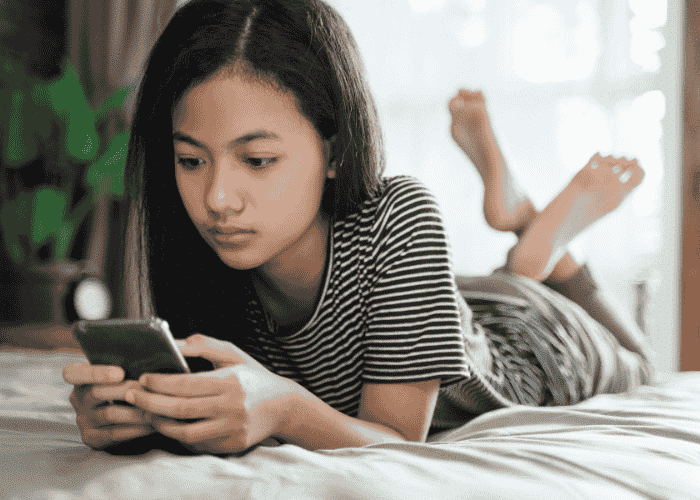
Understanding Social Comparison in Teens
What Is Social Comparison?
Social comparison occurs when teens evaluate themselves against other people, which can affect their self-esteem and motivation. The APA identifies three types of social comparison. These are:2
Upward comparison: Comparing yourself to someone perceived as “better” than you, for example, in terms of looks, wealth, or social standing- Downward comparison: Comparing yourself to someone judged as being “worse off” than you
- Lateral comparison: Comparing yourself with someone considered roughly equal to you
Upward comparisons can inspire improvement. However, they can also set unattainable goals and lead to feeling dissatisfied when unrealistic comparisons are made, such as when comparing yourself to celebrities or curated social media posts.3
Why Is the Social Comparison Teens Experience Relevant?
The teenage brain is still developing and maturing in terms of self-regulation, peer feedback, and rewards. This means teens are particularly sensitive to social comparison, and may compare their appearance, academic performance, social circles, or extracurricular achievements to others.
Additionally, with up to 95% of teenagers being active online, social media plays a central role in teens’ daily lives.4 While social media can foster connection and encourage self-expression, the downside is that highlight reels of vacations, perfect bodies, and ideal lives can make teens doubt their own happiness.
Many teens have never known a world where social media didn’t exist, and may not realize that images are often edited or carefully chosen to show the picture-perfect side of people’s lives. This can worsen self-esteem, the body image concerns adolescents develop, and mood difficulties, impacting the overall emotional well-being of teens.5,6
Understanding how teens compare themselves to others can help us identify when normal comparison crosses the line into a more harmful pattern.
Signs and Symptoms of Harmful Social Comparison in Teens
Recognizing harmful social comparison in teens is essential for preventing it from taking a toll on their mental health. While many teens may feel some pressure to measure up to their peers, others experience consistent patterns of envy, stress, or self-doubt, signaling deeper struggles.
Some of the key signs of harmful social comparison in teens include:
- Feeling worse after seeing peers’ achievements
- Downplaying their successes when others excel
- Low self-esteem
- Fear of missing out (FOMO)
- Making decisions based on others’ opinions
- Giving up hobbies because they feel inferior
- Avoiding certain people who trigger insecurity
- Being very self-critical
- Perfectionism in teens
- Obsessively checking for likes, followers, or comments on social media posts
- Comparing their appearance, success, lifestyle, or popularity to others
- Saying things like “I’ll never look as good as they do” or “Everyone else is better than me”
If some of these signs seem familiar, your teen may be struggling with the effects of harmful social comparison and the self esteem issues youth face as a result.
Once you recognize these patterns, a question that may cross your mind might be What caused this?
Causes Behind Social Comparison Struggles in Teens
Developmental sensitivity: Adolescent brains are still maturing and are at a developmental stage where feedback and validation from their peers are actively sought out. This makes teens more vulnerable to social comparison. They are also more likely to compare themselves to their peers or people they see online as they form their identity and explore what really matters to them.7- Social media pressures: The nature of social media means teens are constantly aware of peers and influencers online, which can increase harmful social comparison and set unrealistic standards.
- Personality traits: Teens with neuroticism, narcissism, stress, low self-esteem, or high emotional sensitivity may be more prone to harmful comparisons.8 The opposite is also true, as those with higher self-esteem and less stress tend to cope better with social comparison.9
- Cultural and academic pressures: Expectations to maintain certain standards academically or socially can reinforce a comparison habit.
- Past emotional experiences: Bullying, exclusion, body shaming, or previous failures can make teens more self-critical.
- Trauma or chronic stress: Emotional wounds can make teens more susceptible to social anxiety, negative self-talk, and low self-image, making negative comparisons more likely.
Understanding these contributing factors can help you see why social comparison may affect some teens much more than others. We examine the impacts of harmful social comparison in the next section.
How Social Comparison Affects Daily Life and Mental Health
Excessive social comparison can impact…
Relationships: Teens may feel envious or inadequate around their friends, negatively impacting relationships.8- Mental health: Excessive comparison has been linked to low self-esteem, anxiety, depression, body image issues, body dysmorphic disorder, greater impulsivity, higher risk of addiction-like behaviors, and even self-harm.8,10-12 This highlights the link between mental health and social media teens usage.
- Academic and cognitive performance: Studies show that negative feelings associated with excessive social media use may influence social decision-making and negatively affect focus and school performance.13,14
These reactions are common and, on the whole, understandable. However, social comparison overload can additionally be emotionally draining for many young people. This makes early intervention critical. Many people feel relieved to know that real support and treatment options are available, which are discussed next.
Professional Treatment Options
Professional support can help teens navigate the pressures of social comparison safely, build confidence, strengthen resilience, and develop coping skills.
Therapeutic approaches that may help teens with social comparison include:
- Cognitive behavioural therapy (CBT): CBT helps teens to challenge unhelpful comparison patterns and to develop more realistic views of themselves and others
- Dialectical behavior therapy (DBT): DBT focuses on emotional regulation and mindfulness to help teens manage the negative impact of social comparisons
Many families search for “teen counseling near me” online as a first step toward seeking professional guidance and help for their teen.
Still, while therapy builds long-term resilience, everyday support at home can also help teens manage social comparison.
Practical Coping Strategies for Parents and Teens
Using practical everyday coping strategies can help parents and teens address harmful social comparison in daily life. Even small steps, such as shifting focus from competitiveness to personal growth, can make a big difference over time.
Below, we share some suggestions for how parents and teens can tackle harmful social comparison and support a healthy self-view.
Suggestions for Parents:
- Encourage balanced conversations about social media: Remember how large a role social media can play in your teen’s life. Listen to their thoughts and feelings, and discuss how images may be edited, filtered, or curated to show idealized versions of a person’s life. You may also want to remind them that people rarely show the true, messy, or “down” moments of their lives on these platforms. This can encourage teens to think more critically about what they see online.
- Normalize imperfection: Model acceptance of flaws, failures, and imperfections to show your teen that it’s okay to not be “perfect”. It’s effort that counts more than flawless results. You could also let them know that failure isn’t something to be ashamed of; it’s actually essential for learning.
- Praise effort and character: Celebrate the hard work your teen puts into doing activities, not just whether they get top grades or win a game. Show them they can be proud of their effort, even if the end result wasn’t quite what they hoped. This may also reduce the negative self talk youth often engage in.
- Set tech limits: Tech boundaries can be useful if your teen spends many hours on social media. You could frame it like taking a short vacation from it. Plus, if you also restrict your own social media usage along with your teen’s, you are modeling healthy behaviors and showing that you are with them on their journey.
Tips for Teens:
- Practice mindfulness: Taking a moment before or after using social media can allow you to focus on the present and manage any anxious thoughts that have come up
- Reality check influencer posts: Remind yourself that not everything you see online is true: a lot of images are curated, filtered, or edited to show the best version of a person or their life
- Unfollow triggering accounts: Protect your mental health by unfollowing accounts or removing content that makes you feel worse about yourself. You are under no obligation to follow everyone on social media. Instead, you could ensure that you follow creators whose content lifts you up and inspires you.
- Gratitude exercises: Practising gratitude can help you feel better about yourself and your life by reminding you of the things you value and are grateful for. For instance, you might try writing down three things you’re grateful for before you go to bed each night. This can help to counter self-comparison and be a useful tool for confidence building for teenagers.
- Journaling: Tracking your triggers and patterns can help you identify ways to minimize their negative impact.
The right combination of professional help, family support, and practical coping strategies can be influential in boosting teen confidence and reducing the impact of harmful social comparison.

Regaining Confidence With Mission Prep
Social comparison is a common part of adolescence, but it doesn’t have to control your teen’s sense of self-worth. With the right guidance, emotional support, and healthy coping skills, teens can rebuild their confidence and feel more grounded.
At Mission Prep, we specialize in supporting teens facing self-esteem challenges, social comparison pressures, and mental health struggles. Our compassionate team of experts provides assessments, evidence-based therapy, and practical strategies to help teens recognize their self-worth and navigate social pressures safely.
Contact us today to discuss your teen’s mental and emotional health. It’s never too late to reach out for help in leading a more confident, resilient life.
References
- Young, E., McCain, J. L., Mercado, M. C., Ballesteros, M. F., Moore, S., Licitis, L., Stinson, J., Jones, S. E., & Wilkins, N. J. (2024). Frequent Social Media Use and Experiences with Bullying Victimization, Persistent Feelings of Sadness or Hopelessness, and Suicide Risk Among High School Students — Youth Risk Behavior Survey, United States, 2023. MMWR Supplements, 73(4), 23–30. https://doi.org/10.15585/mmwr.su7304a3
- American Psychological Association. (2018, April 19). Social comparison theory. APA Dictionary of Psychology. https://dictionary.apa.org/social-comparison-theory
- Cherry, K. (2025, September 24). How social comparison theory influences our views on ourselves. Verywell Mind. https://www.verywellmind.com/what-is-the-social-comparison-process-2795872
- American Academy of Child & Adolescent Psychiatry (AACAP). (2023, October). Policy Statement on the Impact of Social Media on Youth Mental Health. https://www.aacap.org/AACAP/Policy_Statements/2023/Social_Media_Youth_Mental_Health.aspx
- Mental Health America. (2025, April 16). Social media, youth, and comparison. https://mhanational.org/resources/social-media-youth-and-comparison/
- Jacobson, R. (2025, August 27). Social media and Self-Doubt. Child Mind Institute. https://childmind.org/article/social-media-and-self-doubt/
- Weir, K. (2023, September 1). Social media brings benefits and risks to teens. Psychology can help identify a path forward. https://www.apa.org/monitor/2023/09/protecting-teens-on-social-media
- Nortje, A., PhD. (2025, November 10). Social Comparison Theory & 12 Real-Life examples. PositivePsychology.com. https://positivepsychology.com/social-comparison/
- Scott, E. (2023, August 11). The stress of social comparison and how to limit comparing yourself to others. Verywell Mind. https://www.verywellmind.com/the-stress-of-social-comparison-4154076
- Borman, A. (2023, December 29). The effect of social media on teens. American SPCC. American SPCC. https://americanspcc.org/the-effect-of-social-media-on-teens/?gad_source=1&gad_campaignid=22889481274&gbraid=0AAAAADywSu_tiXbEDmHL0zuQ834JZUs-v&gclid=Cj0KCQiArOvIBhDLARIsAPwJXOZArRLSFkRPiwfNXfpOY7qkKuh-cW4SqNF-UJw1A8LkavGfYiiB67YaAu-WEALw_wcB
- Masri-Zada, T., Martirosyan, S., Abdou, A., Barbar, R., Kades, S., Makki, H., Haley, G., & Agrawal, D. K. (2025). The Impact of Social Media & Technology on Child and Adolescent Mental Health. Journal of psychiatry and psychiatric disorders, 9(2), 111–130. https://pmc.ncbi.nlm.nih.gov/articles/PMC12165459/#S26
- Miller, C. (2025, April 1). Does social media use cause depression? Child Mind Institute. https://childmind.org/article/is-social-media-use-causing-depression/
- National Alliance on Mental Illness (NAMI). (2025, September 12). Social media use and impact on mental health. https://www.nami.org/advocacy/policy-priorities/stopping-harmful-practices/social-media-use-and-impact-on-mental-health/
- Hu, Y., Zhou, M., Shao, Y., Wei, J., Li, Z., Xu, S., Maguire, P., & Wang, D. (2021). The effects of social comparison and depressive mood on adolescent social decision-making. BMC Psychiatry, 21(1), 3. https://doi.org/10.1186/s12888-020-02928-y